
Loading poetry
Poetry
A space for poems, spoken pieces, and collections shaped by pressure, memory, fracture, and feeling.
Browse by collection, spoken work, theme, or recency.
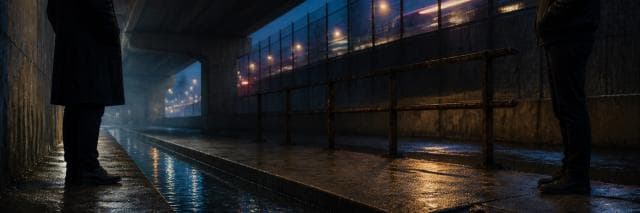
An underpass poem of waiting, withheld confession and rain remaking the place where two people could not speak.
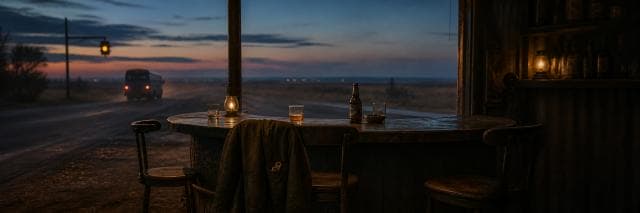
A border-road song and poem about a guitarist who arrives for a gunfight, hears three notes from a back room, and chooses to leave the gun in the floorboards.
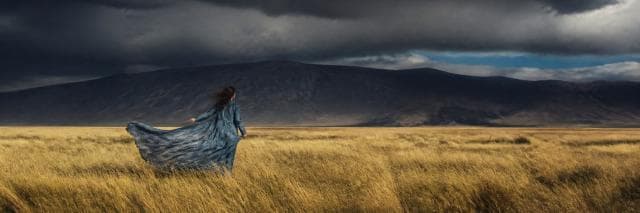
A wind-led landscape poem in which a woman's coat becomes a second body and the weather briefly takes shape.
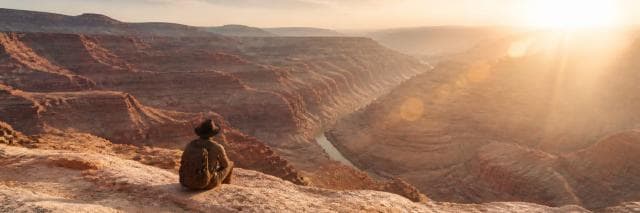
A quiet landscape poem about a back-turned figure, geological scale, and a river continuing beyond the edge of the visible world.
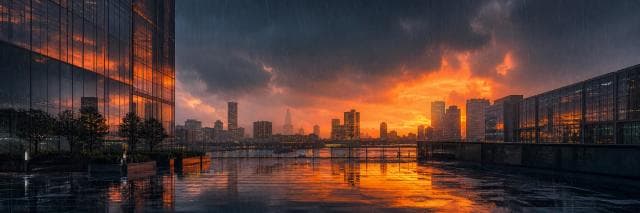
An urban dusk poem where rain, glass and reflected fire turn ordinary office windows into an omen.
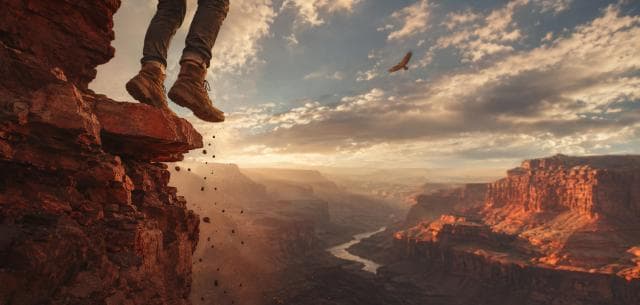
A canyon-bright poem of dust, height and reckless courage, where red stone, open sky and a stubborn chorus turn fear into motion.
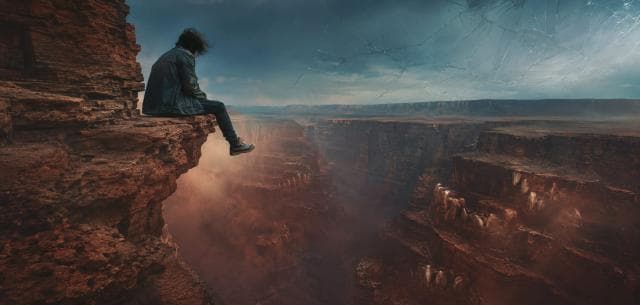
A surreal canyon-edge poem where boots, dust and a watchful rim turn vertigo into a strange conversation with the drop.

A memory-haunted poem of sugared rooms, a silent red telephone and birthday light, where absence blooms into a listening that never quite ends.

A dusk-bound poem of shadow, glass and one bent shard of brightness, where pain is faced without flinching and light refuses to leave quietly.
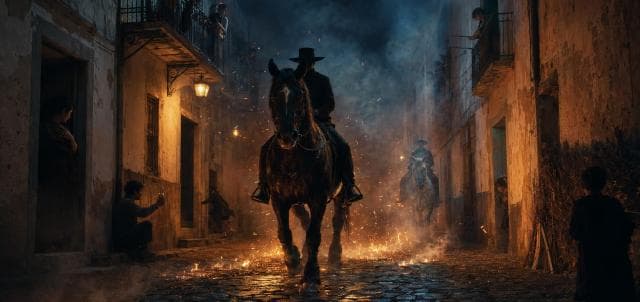
A firelit poem of horses, smoke and stone, where riders move through brutal heat and turn spectacle into a hard-earned act of passage.
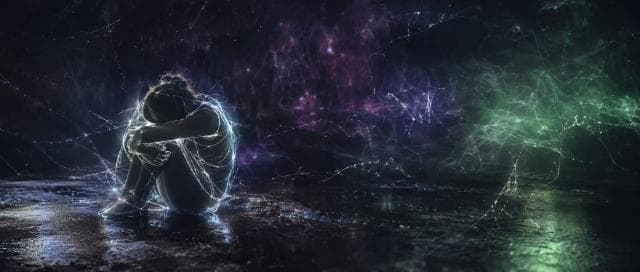
An electric spiritual poem of a body folded into light, where fear, hurt and repetition are held inside a dark closeness that feels almost like mercy.
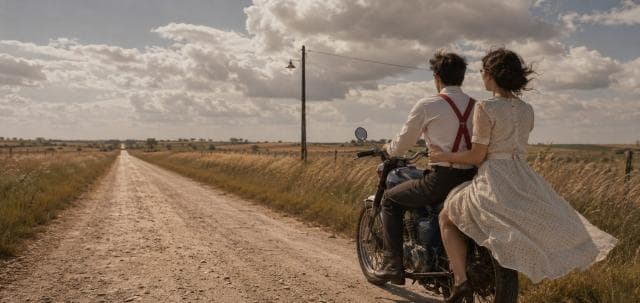
A sun-struck poem of two lovers on a back road, where red braces, dust and shared balance turn an ordinary pause into the first shape of a future.
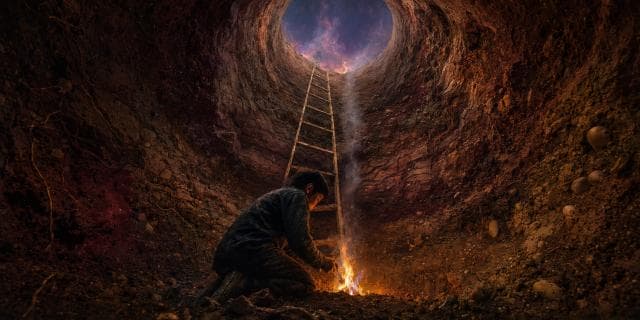
A surreal poem of a clay pit, a burning ladder and a hand-lit sun, where fire and solitude become a private cosmology.
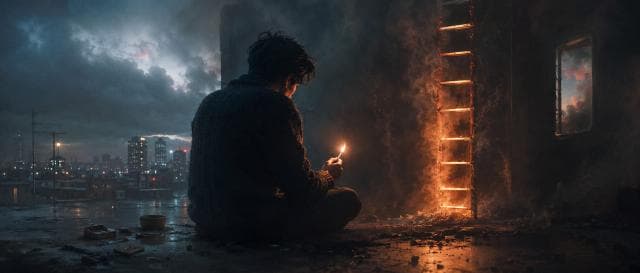
A dark poem of matches, ash and a half-burned ladder, where self-destruction falters long enough to sketch the outline of a door.
Poetry themes
Each stream gathers poems by mood, music, pressure, and the kind of attention the piece asks for.
Poems that walk the fault lines: grief, rupture, war, urban grit, and the mythic underbelly of the everyday. Expect charged images, stark music, and hard turns that don’t tidy the mess so much as name it.
Editor’s picks and special spotlights: the poems, sequences, and craft notes we think deserve your front-row gaze. Rotating highlights, seasonal themes, and one-off gems that show the range of our community.
Poems grouped by this theme.
Where verse meets melody. Poems arranged as songs, chants, and soundscapes—complete with audio players, lyric sheets, and credits for collaborators. Expect live takes, studio mixes, and experiments that let the poem sing in new registers.
Field notes of the inner and outer world: weather, seasons, land, and the quiet revolutions of thought. Lyrical attention, ecological awareness, and a contemplative pace define this stream.
Wit with teeth. Irony, parody, and mischief aimed at power, pretence, and the status quo. Formal play and punchy line breaks welcome; the laugh should leave a bruise.
Work of resilience and renewal: poems about survival, kinship, faith (in any form), and the long arc of becoming. Clear cadence, steady light, and endings that open rather than preach.
Dream-logic, fabulism, and mythic visitations. Reality bends, symbols speak, and images carry more than one meaning. The goal is wonder and unease in equal measure.
Poetry in isiZulu, alongside careful translations where offered. A home for imagery, izibongo (praise poetry), and contemporary voices that carry rhythm and story. Submissions may appear bilingual to welcome wider readers.
65 entries across poetry.
23 entries across poetry.
1 entries across poetry.
1 entries across poetry.
2 entries across poetry.
1 entries across poetry.
Poetry began here as play with words, fragments, and unlikely connections. Over time it became a record of feeling, then a way of making sense without forcing neat explanations too early.
Some pieces are more instinctive. Some are more controlled. None of them are interested in pretending the human experience arrives tidy.
These poems are not written to hand over a single fixed meaning. They are written to hold image, pressure, contradiction, and the parts of experience that resist summary.
Read them slowly or read them in a rush. Read them in sequence if you want to notice how the voice shifts over time. Read them out of order if you want the cleaner shock of recognition.
If a poem leaves you with a clearer feeling rather than a cleaner answer, it has done its job.
Some poems also live in voice.
Where a spoken version exists, it should feel like an extension of the page rather than a separate performance layer. The voice is there to carry the pressure of the line, not distract from it.
Collections gather poems by atmosphere, season, pressure, or recurring thread.
Enter a collection when you want a more sustained mood than the main archive offers, or when you want to stay with a particular register a little longer.