
Loading poetry
Poetry
A space for poems, spoken pieces, and collections shaped by pressure, memory, fracture, and feeling.
Poetry categories
Each stream gathers poems by mood, music, pressure, and the kind of attention the piece asks for.
Poems that walk the fault lines: grief, rupture, war, urban grit, and the mythic underbelly of the everyday. Expect charged images, stark music, and hard turns that don’t tidy the mess so much as name it.
Editor’s picks and special spotlights: the poems, sequences, and craft notes we think deserve your front-row gaze. Rotating highlights, seasonal themes, and one-off gems that show the range of our community.
Where verse meets melody. Poems arranged as songs, chants, and soundscapes—complete with audio players, lyric sheets, and credits for collaborators. Expect live takes, studio mixes, and experiments that let the poem sing in new registers.
Field notes of the inner and outer world: weather, seasons, land, and the quiet revolutions of thought. Lyrical attention, ecological awareness, and a contemplative pace define this stream.
Wit with teeth. Irony, parody, and mischief aimed at power, pretence, and the status quo. Formal play and punchy line breaks welcome; the laugh should leave a bruise.
Poems in which a single speaker thinks aloud under pressure. A live occasion, listener, silence or repeated phrase lets the voice turn through argument, memory or self-recognition; meaning emerges through the act of speaking.
Work of resilience and renewal: poems about survival, kinship, faith (in any form), and the long arc of becoming. Clear cadence, steady light, and endings that open rather than preach.
Dream-logic, fabulism, and mythic visitations. Reality bends, symbols speak, and images carry more than one meaning. The goal is wonder and unease in equal measure.
Poetry in isiZulu, alongside careful translations where offered. A home for imagery, izibongo (praise poetry), and contemporary voices that carry rhythm and story. Submissions may appear bilingual to welcome wider readers.
71 entries across poetry.
44 entries across poetry.
94 entries across poetry.
261 entries across poetry.
29 entries across poetry.
126 entries across poetry.
Poetry began here as play with words, fragments, and unlikely connections. Over time it became a record of feeling, then a way of making sense without forcing neat explanations too early.
Some pieces are more instinctive. Some are more controlled. None of them are interested in pretending the human experience arrives tidy.
These poems are not written to hand over a single fixed meaning. They are written to hold image, pressure, contradiction, and the parts of experience that resist summary.
Read them slowly or read them in a rush. Read them in sequence if you want to notice how the voice shifts over time. Read them out of order if you want the cleaner shock of recognition.
If a poem leaves you with a clearer feeling rather than a cleaner answer, it has done its job.
Some poems also live in voice.
Where a spoken version exists, it should feel like an extension of the page rather than a separate performance layer. The voice is there to carry the pressure of the line, not distract from it.
Collections gather poems by atmosphere, season, pressure, or recurring thread.
Enter a collection when you want a more sustained mood than the main archive offers, or when you want to stay with a particular register a little longer.
Editor’s picks and special spotlights: the poems, sequences, and craft notes we think deserve your front-row gaze. Rotating highlights, seasonal themes, and one-off gems that show the range of our community.
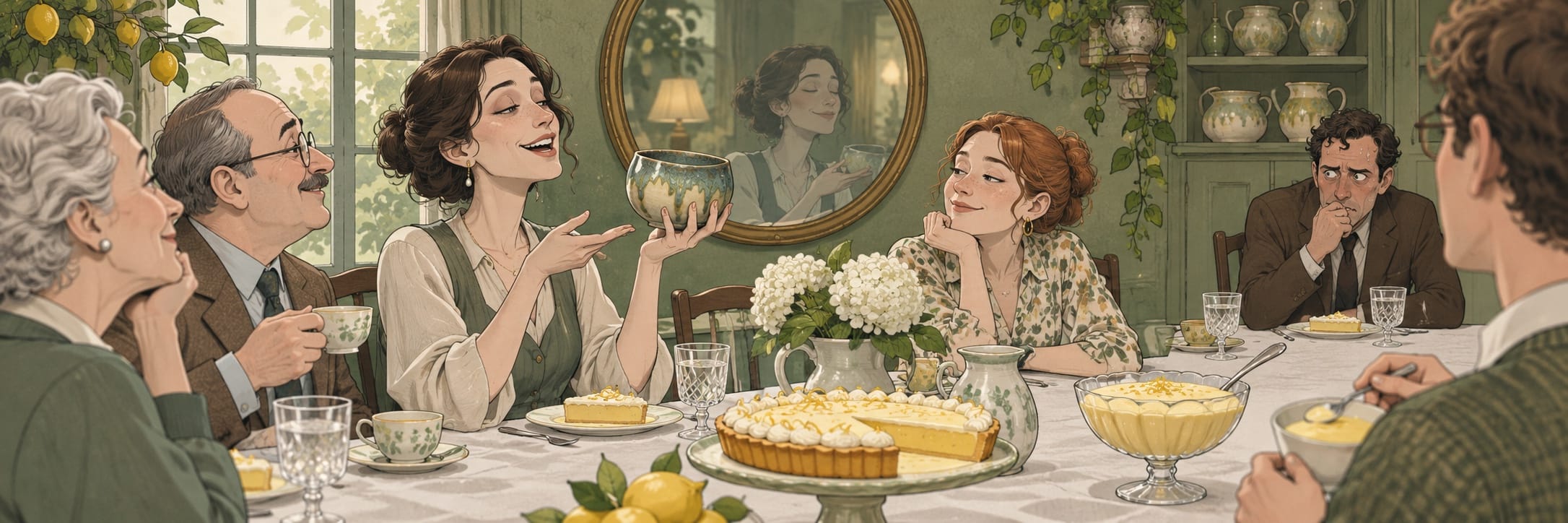
A darkly comic poem about a resurrected murder victim, an unusable police form and a lunch where good manners take charge.
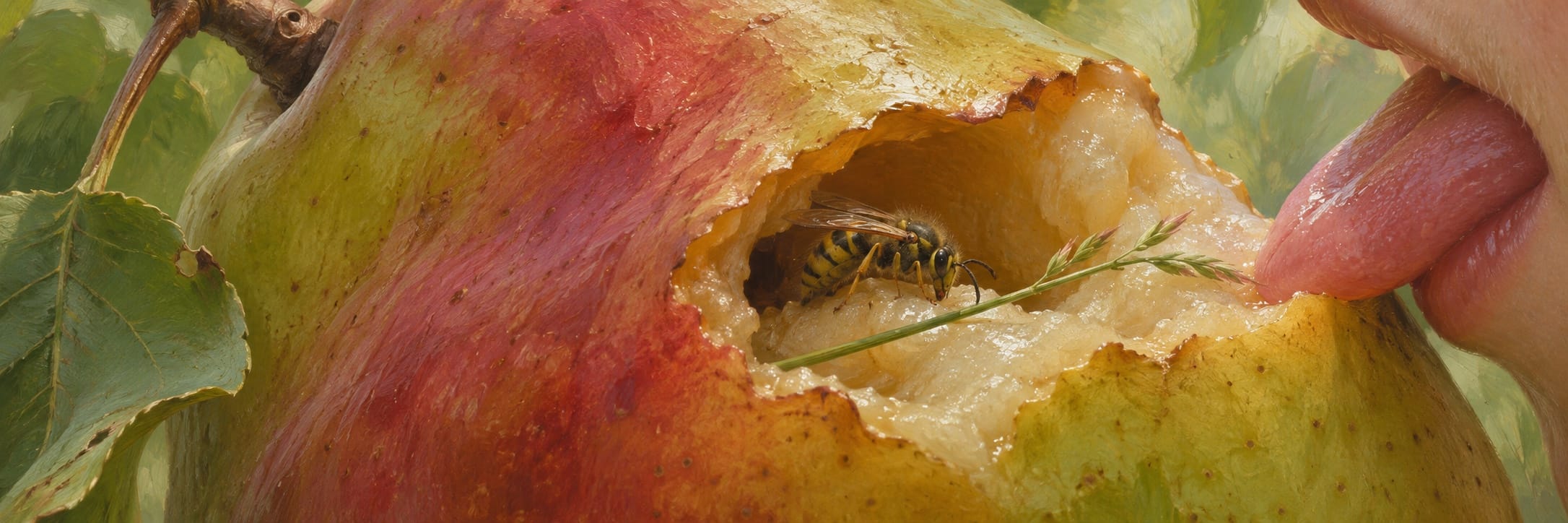
A poem about a wasp in a pear and the observer whose offer of a grass stem leads to a taste of the fruit.
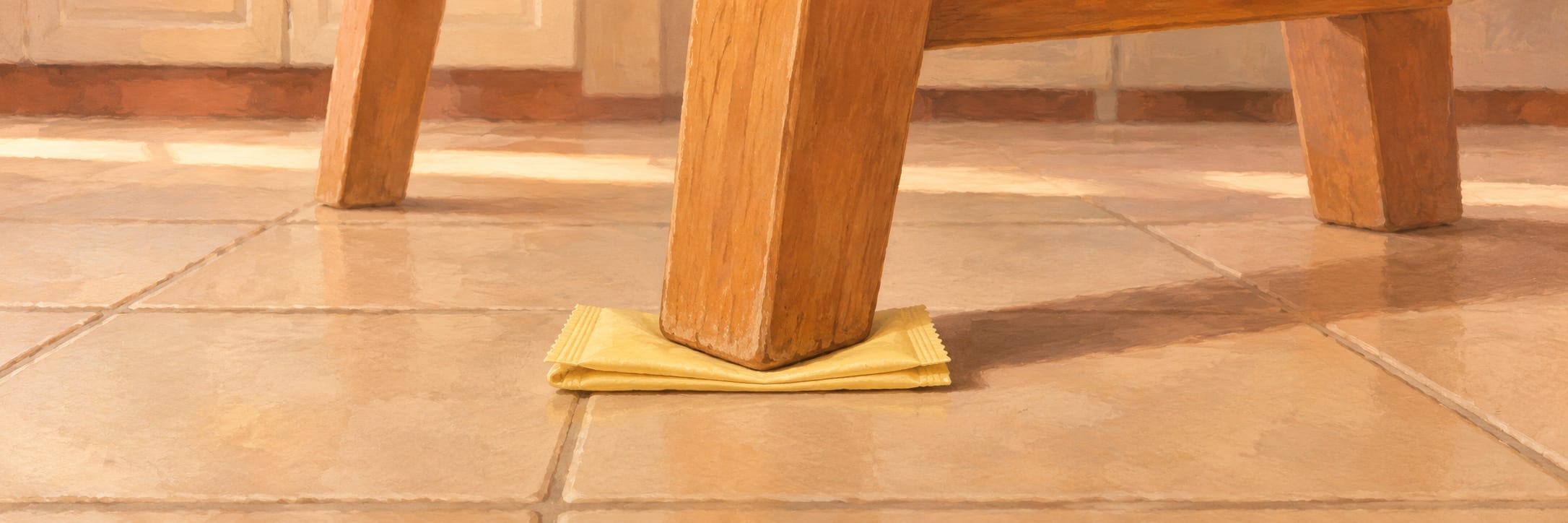
A quiet domestic poem in which a rocking chair, a spare key and passed salt frame a conversation about regret and commitment.

A documentary poem tests a neat explanation for a fatal parachute descent against two other incidents and closes with the language of a formal correction.

At a palace ball, a fairy godfather offers favours. At dawn, a saddled white horse comes with payment due on demand.
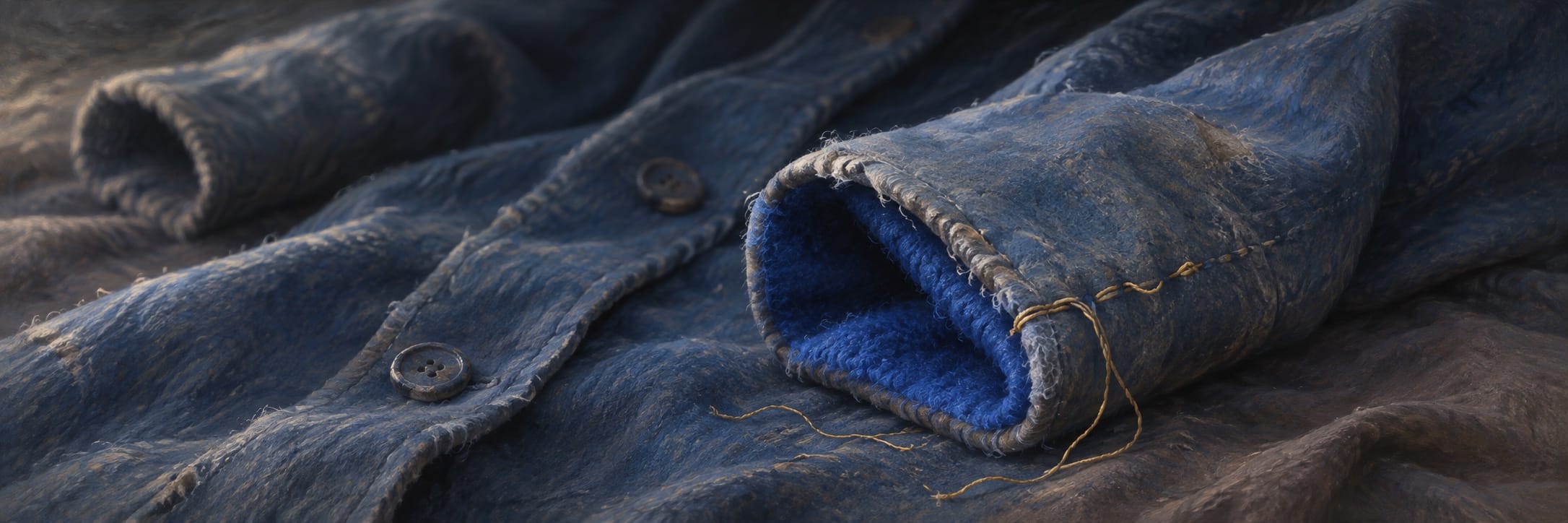
A winter coat passes from a brother to his sister, carrying old creases and deep blue cloth hidden inside its sleeves.
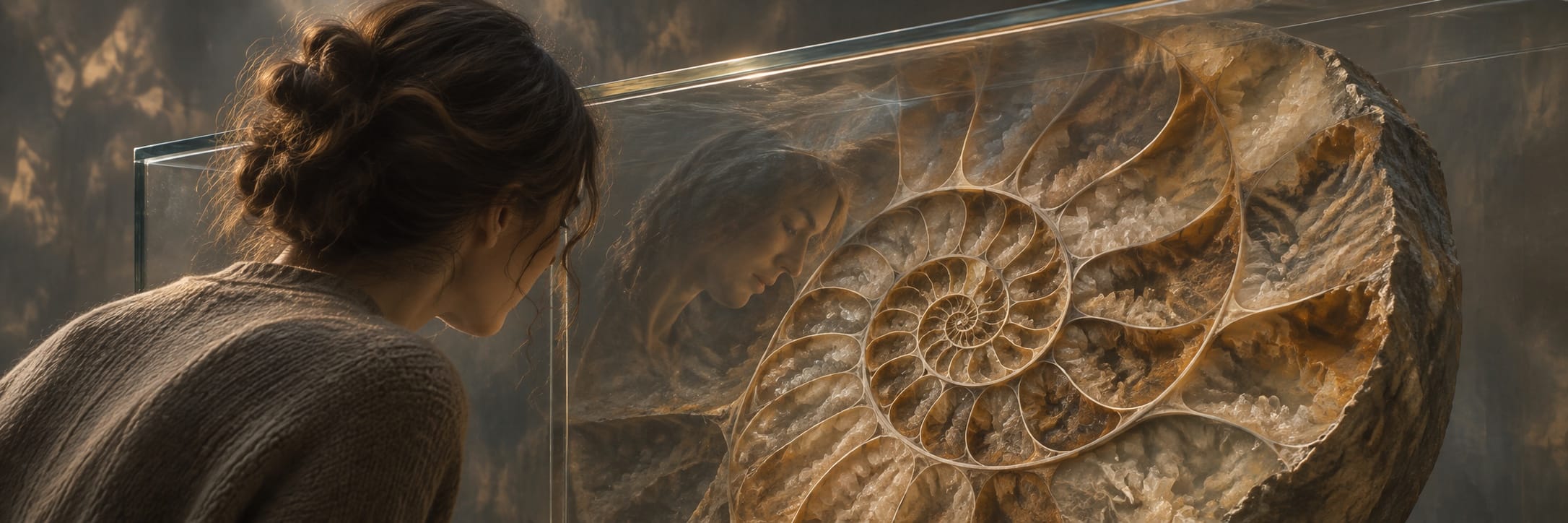
A joke about an ammonite draws a laugh in a museum. A woman asks to hear the fossil’s name again as the group moves on.
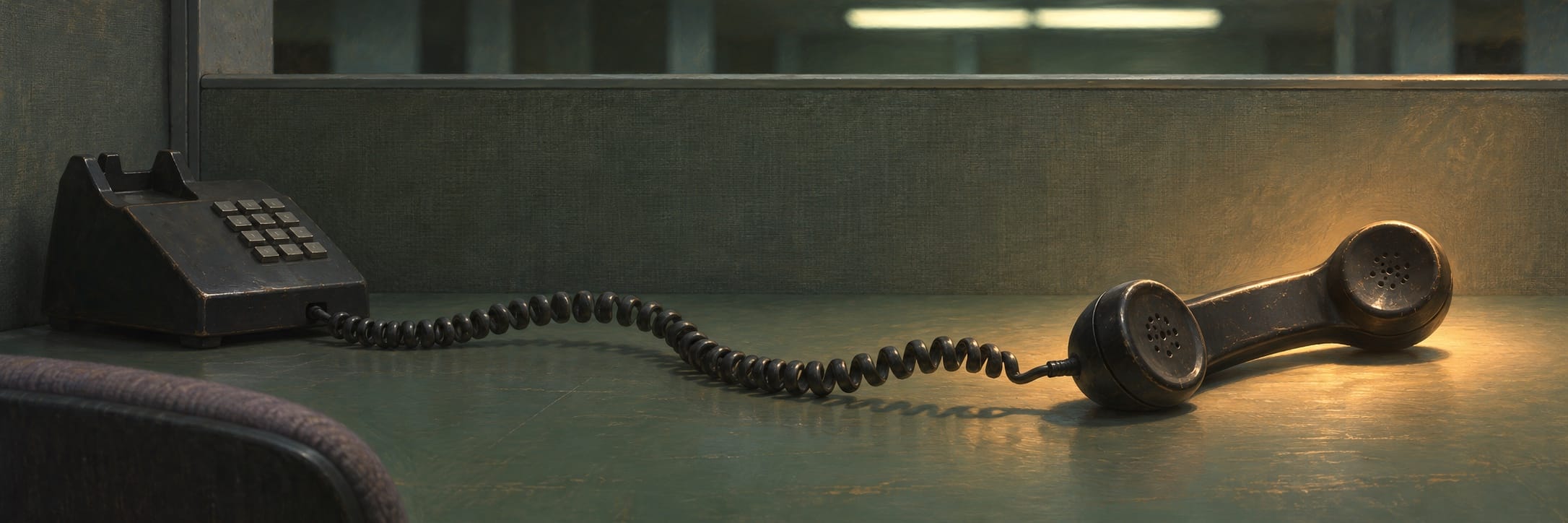
A satirical dialogue in which a caller asks Earth Services for help with ageing, grief and lost time.
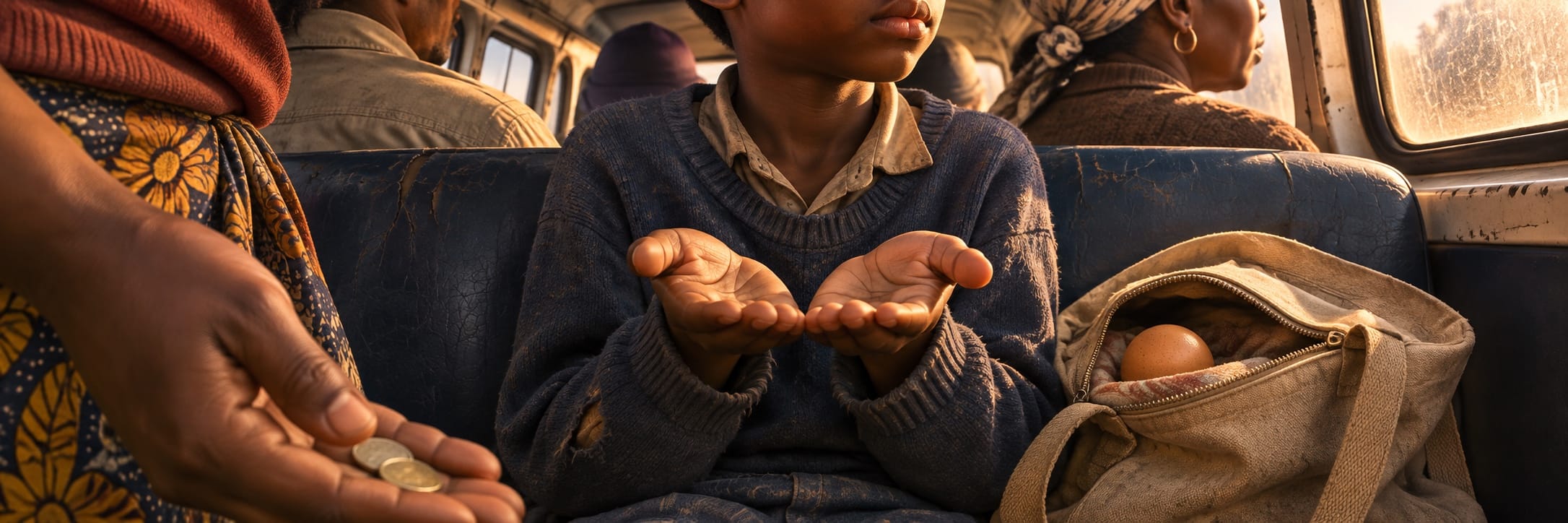
A shared taxi fare comes up ten rand short, and a boy holding the fare collector’s bag opens its pockets for inspection.
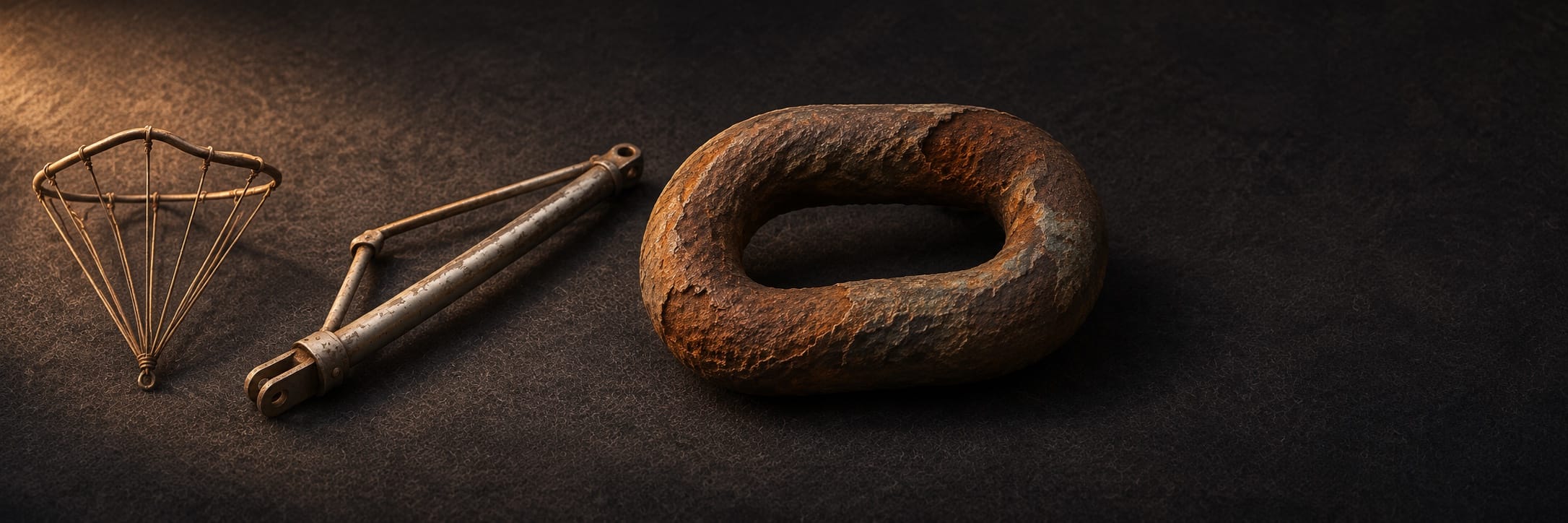
A documentary poem that places three inventions beside their human toll: Cocking’s parachute, the AVE Mizar and the first Eddystone lighthouse.

A dating app reads listening as a hobby, while a dog hears a woman out about a squeaky shoe.
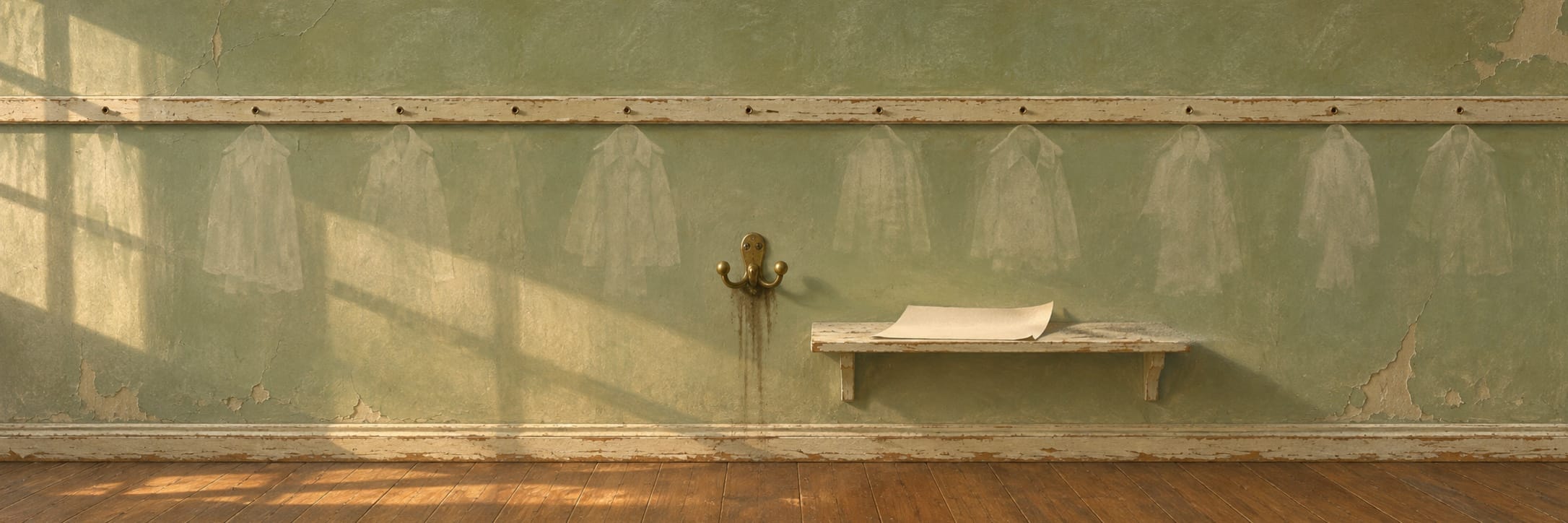
A clerk and caretaker inventory an old coatroom, where a low hook, a wet cuff and a streak of dust complicate the record of vacancy.
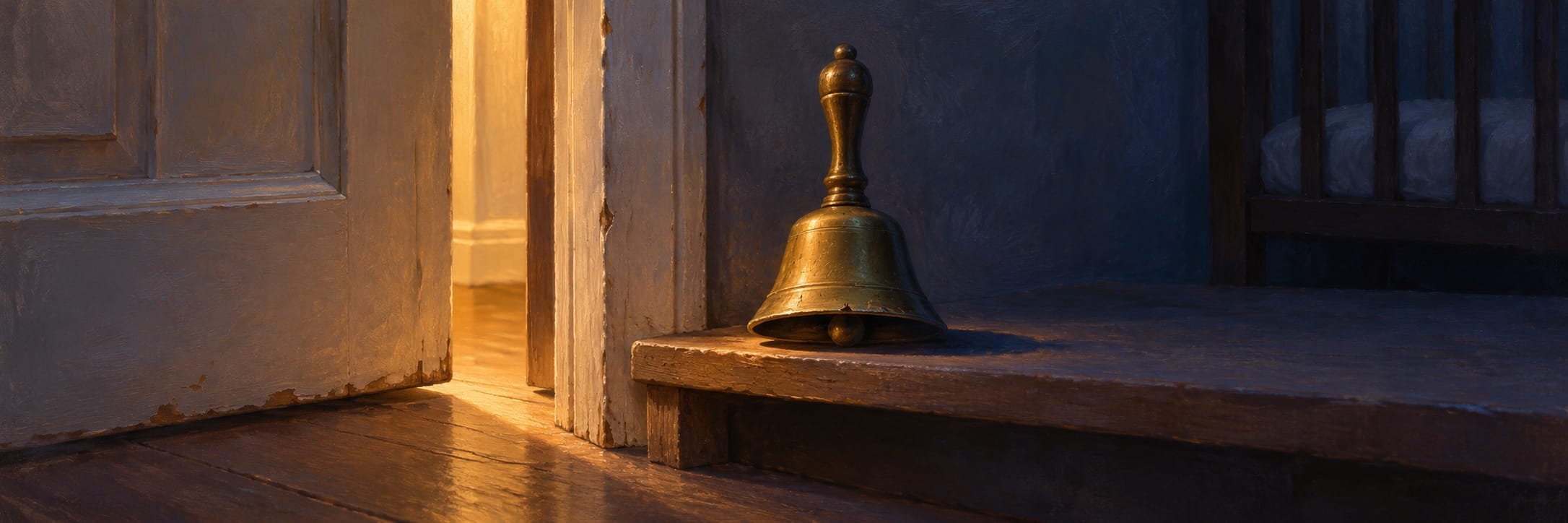
An old woman who haunts a bell discovers a game with a baby, and the nursery soon has its own way of knocking and answering.
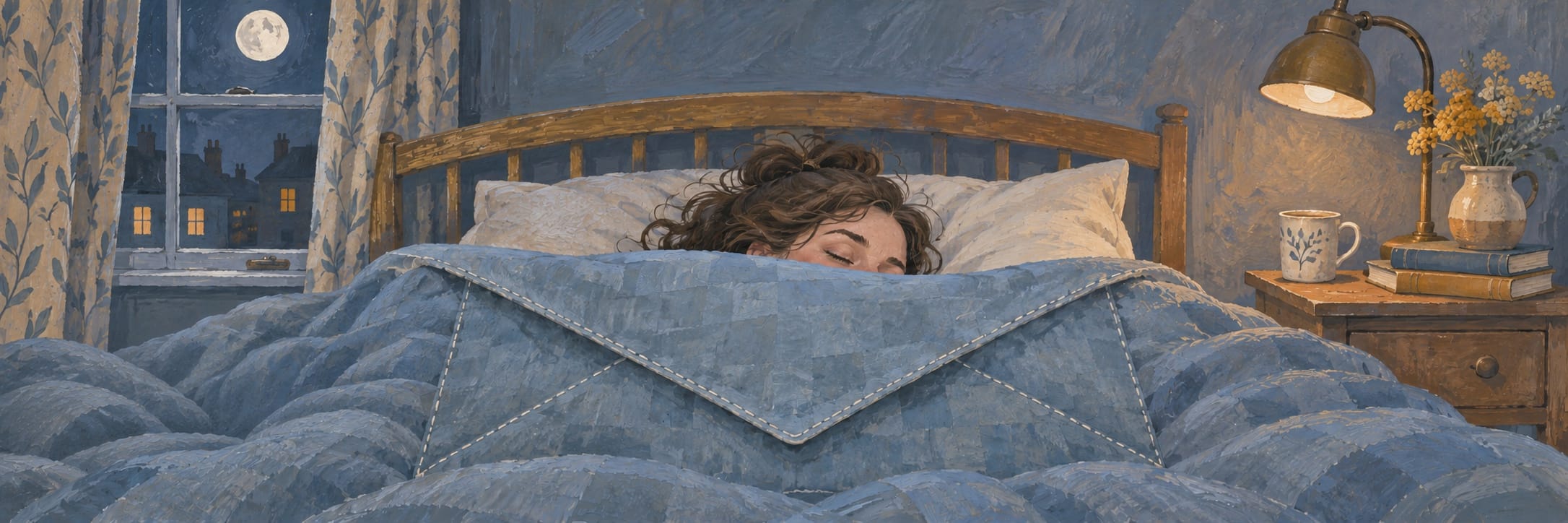
A satirical poem in which an imagined ideal collides with a sleeping woman’s bodily reality and a duvet opens a support ticket.
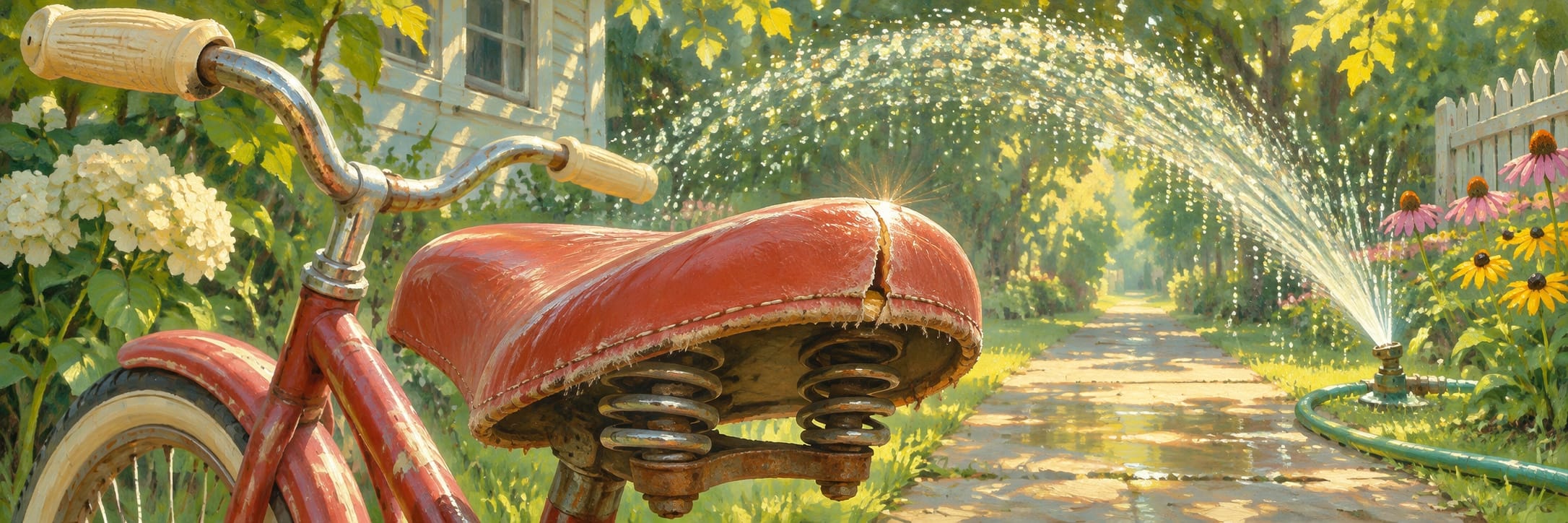
Two parents recall letting go of a bicycle saddle, until their daughter supplies her own memory of the ride and the spray from a garden hose.
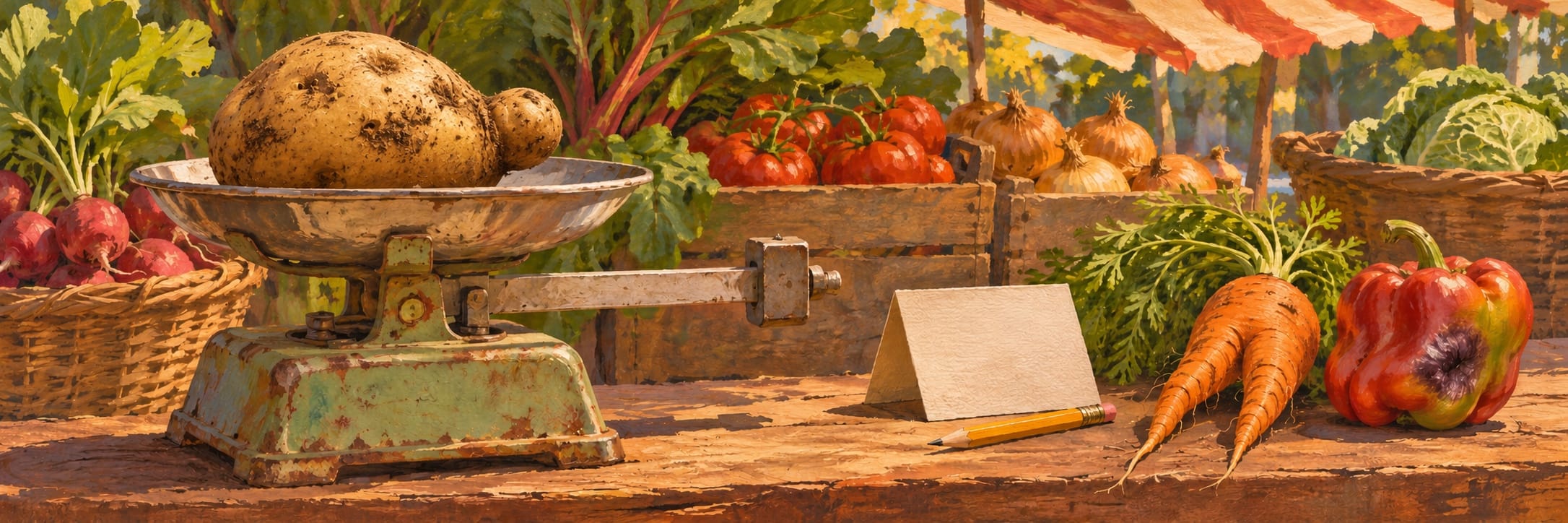
A crooked potato enters an impromptu market competition that grows when the stallholder turns a card marked STEW over and writes OPEN.

A child spends weekdays with a witch and weekends in Hell, while a court-ordered handover book becomes a record of family life.
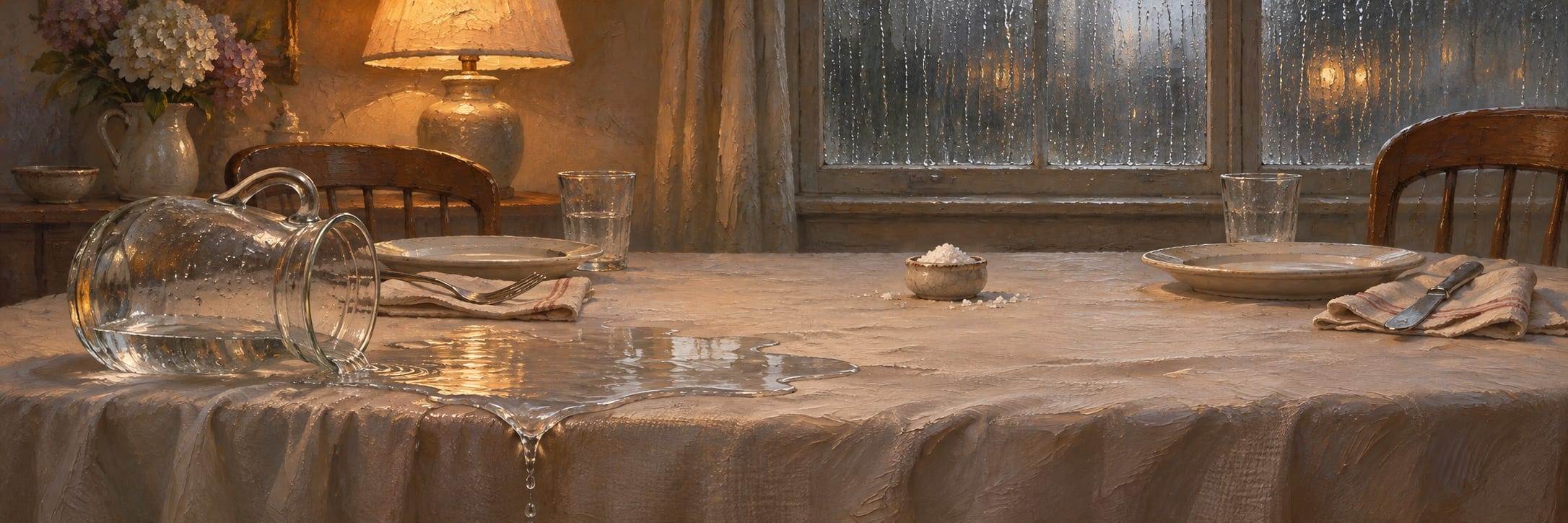
At dinner, a father asks his child to relay a demand over the roof bill. A spill changes how the message reaches the uncle.

In a café, a grieving speaker hears a familiar laugh from a stranger whose voice aid draws on a clinic archive.
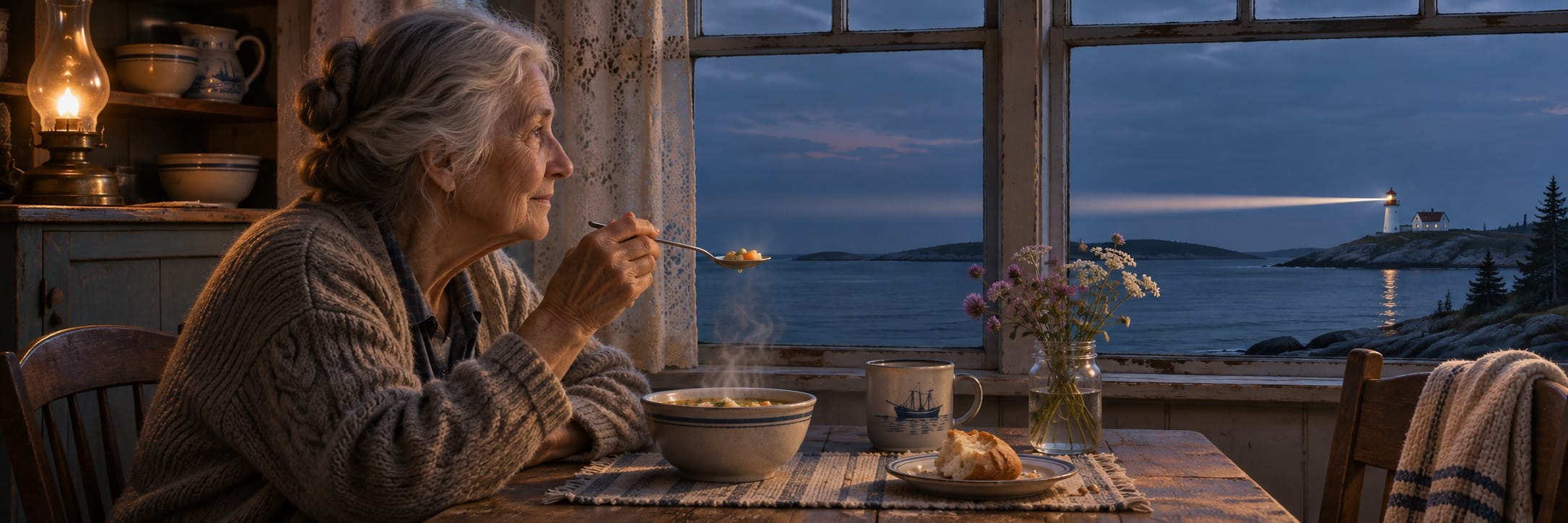
A three-line poem about a grandmother counting lighthouse sweeps between mouthfuls.
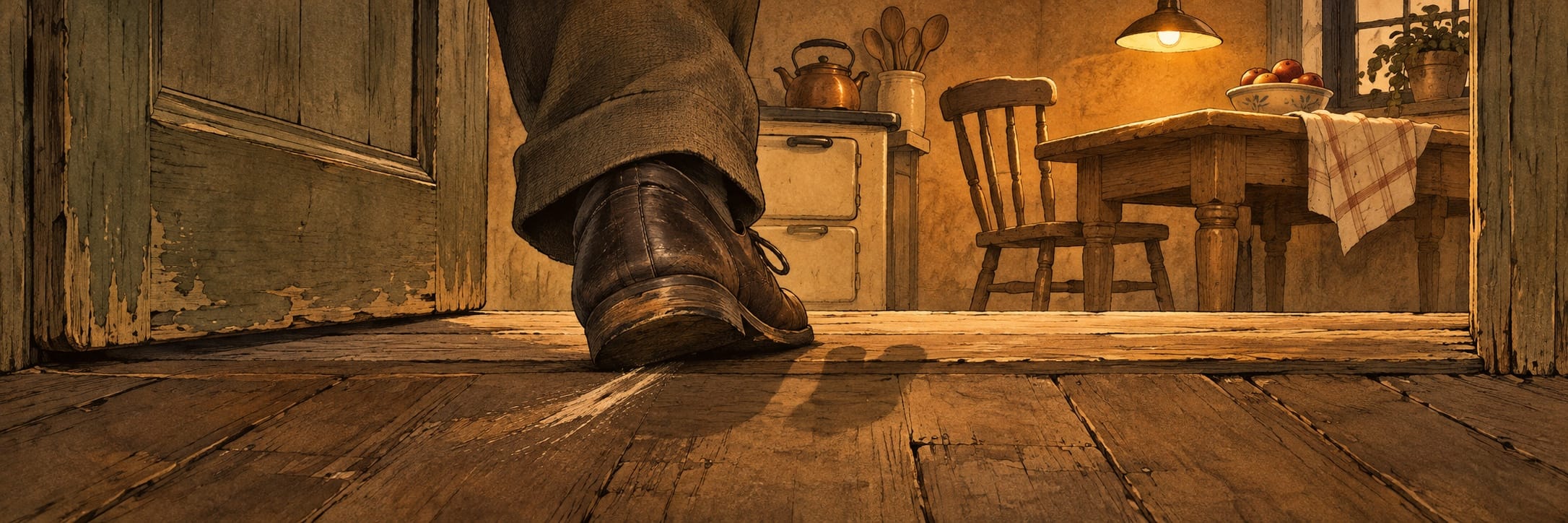
A comic miniature in which a ghost gets home first, its zombie follows, and the household recognises a familiar scrape on the floor.
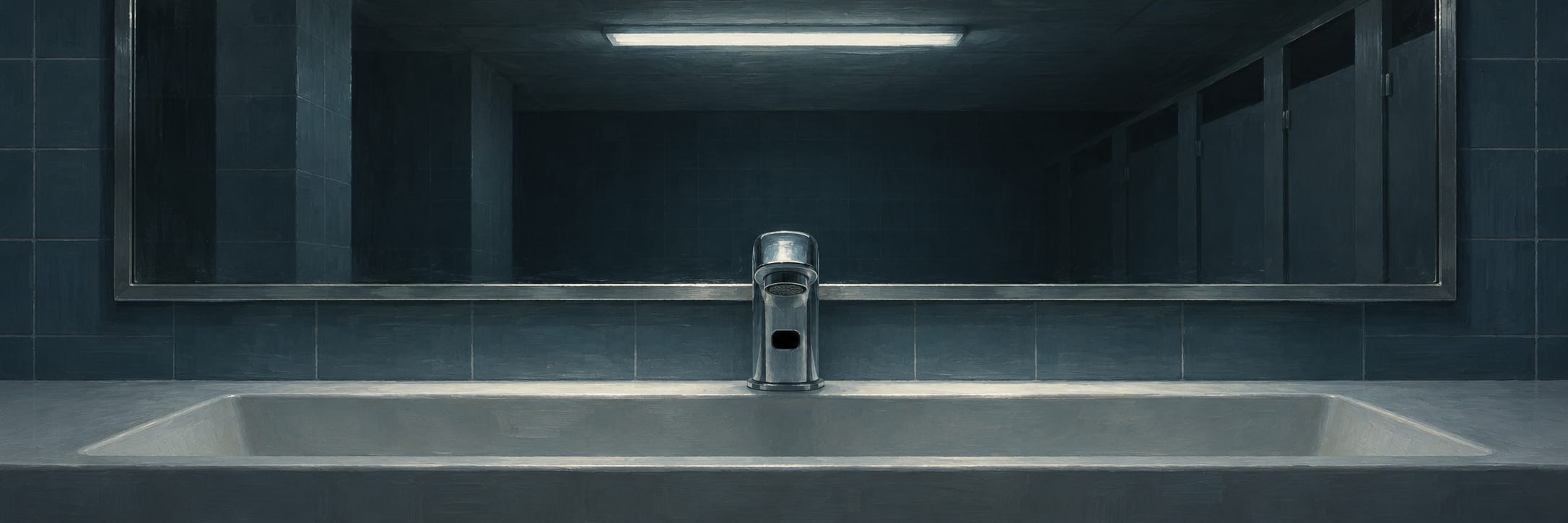
An ancient speaker confronts automatic doors, soap, a tap and lights in a bathroom that recognises everyone else.
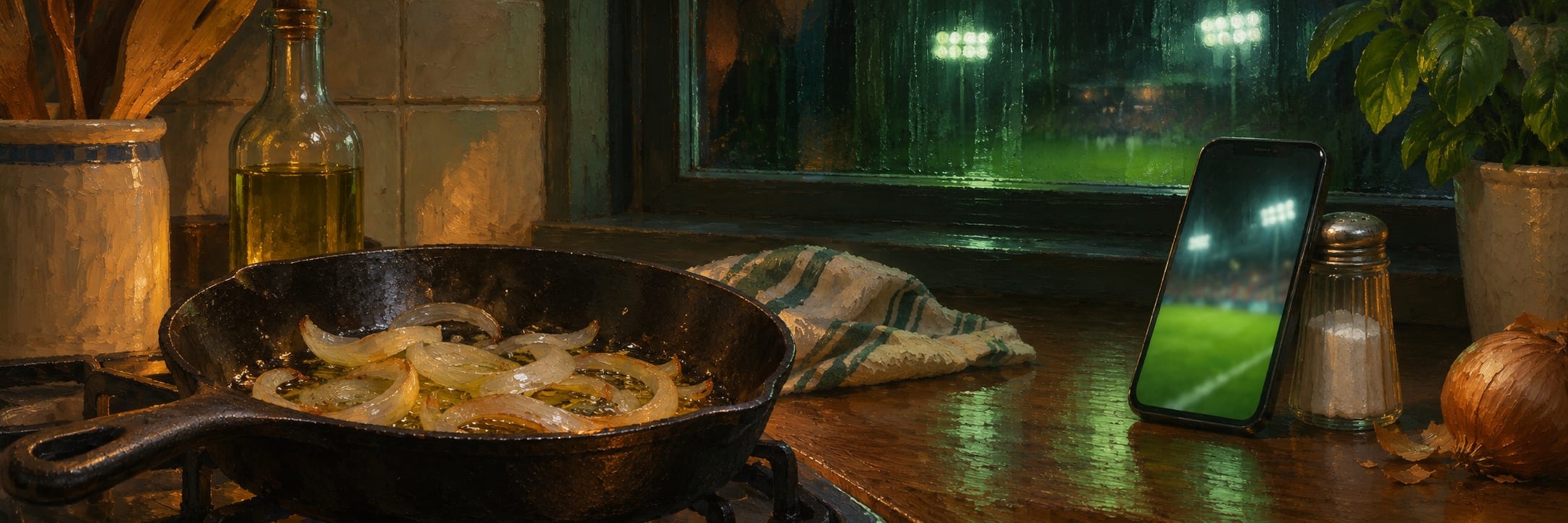
A father and daughter watch the same penalty on delayed screens while onions fry in her kitchen and they talk by phone.
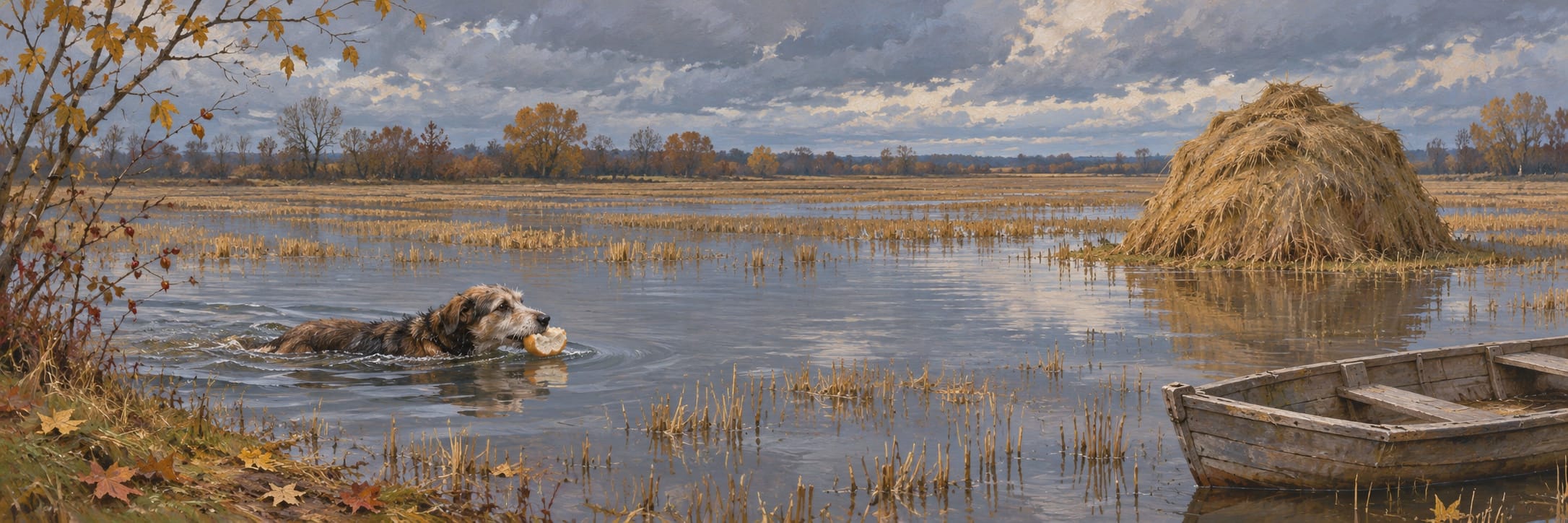
At a hay harvest where the second crop comes in by boat, workers give instructions for meeting the man they once lost.