
Loading poetry
Poetry
A space for poems, spoken pieces, and collections shaped by pressure, memory, fracture, and feeling.
Browse by collection, spoken work, theme, or recency.
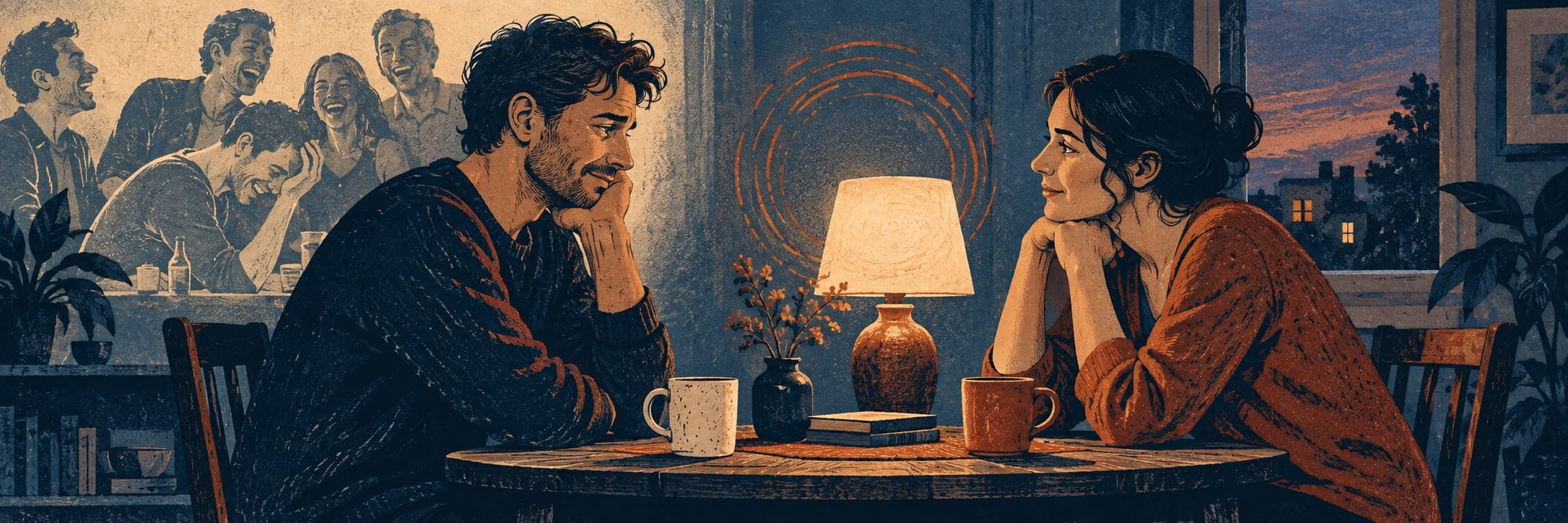
A poem about self-deprecating humour, the private replay of laughter, and learning to speak while someone keeps listening.

A route map selects the wrong word for a settlement; rain puts the disputed record and witness marks in the same frame.

A numbered welcome makes room for arrivals while preserving the neighbour’s refusal, key and right to choose.

A mistaken resemblance becomes a lesson in consent when two travellers refuse to be made into a match.

A numbered cargo manifest measures the comfort sent across a fold against the people waiting at the landing.
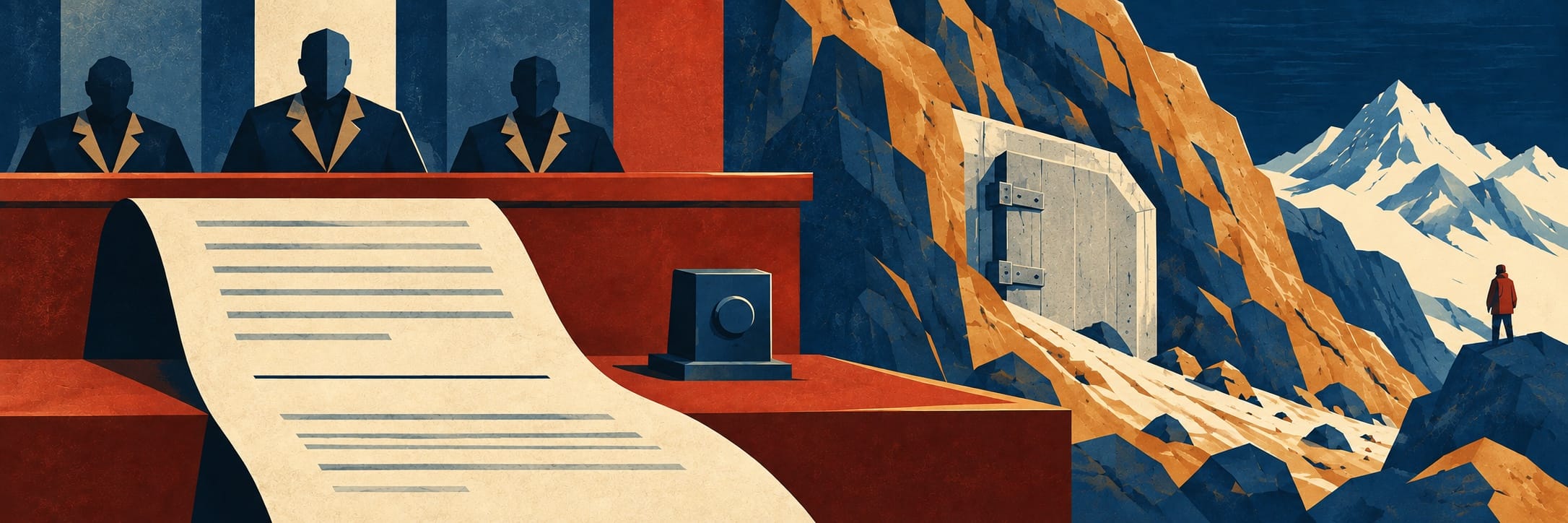
A hearing tests the gap between route confidence, official procedure and the resident safety the system cannot confirm.

Two friends remember a shared childhood differently and choose what their brief crossing can still hold.

A visual poem moves from a blurred foreground fern to a shoulder's lit curve, then follows the foliage back into shadow.
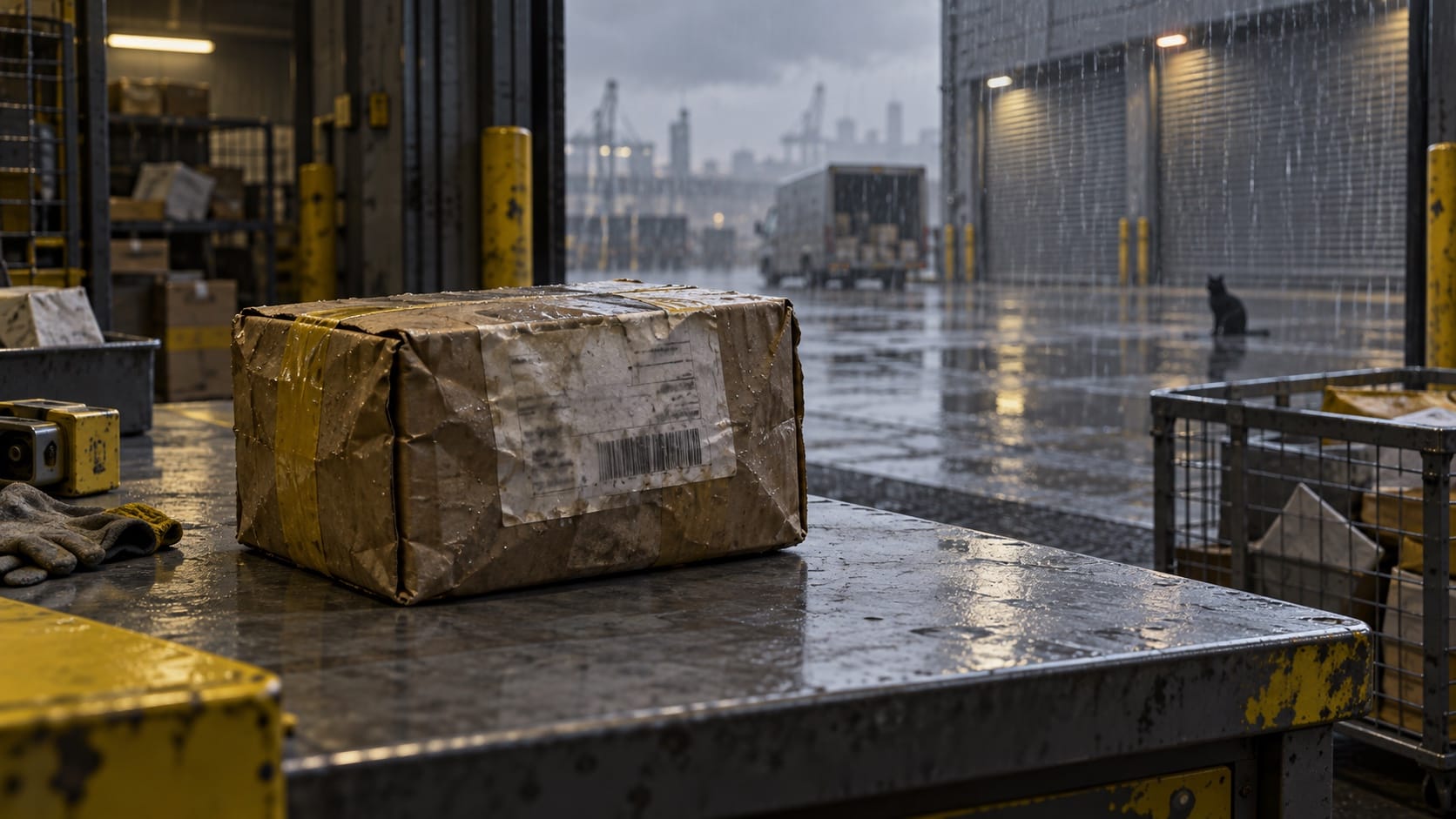
A returns-depot poem about an undeliverable parcel, childhood handwriting and the address a life has not yet made.
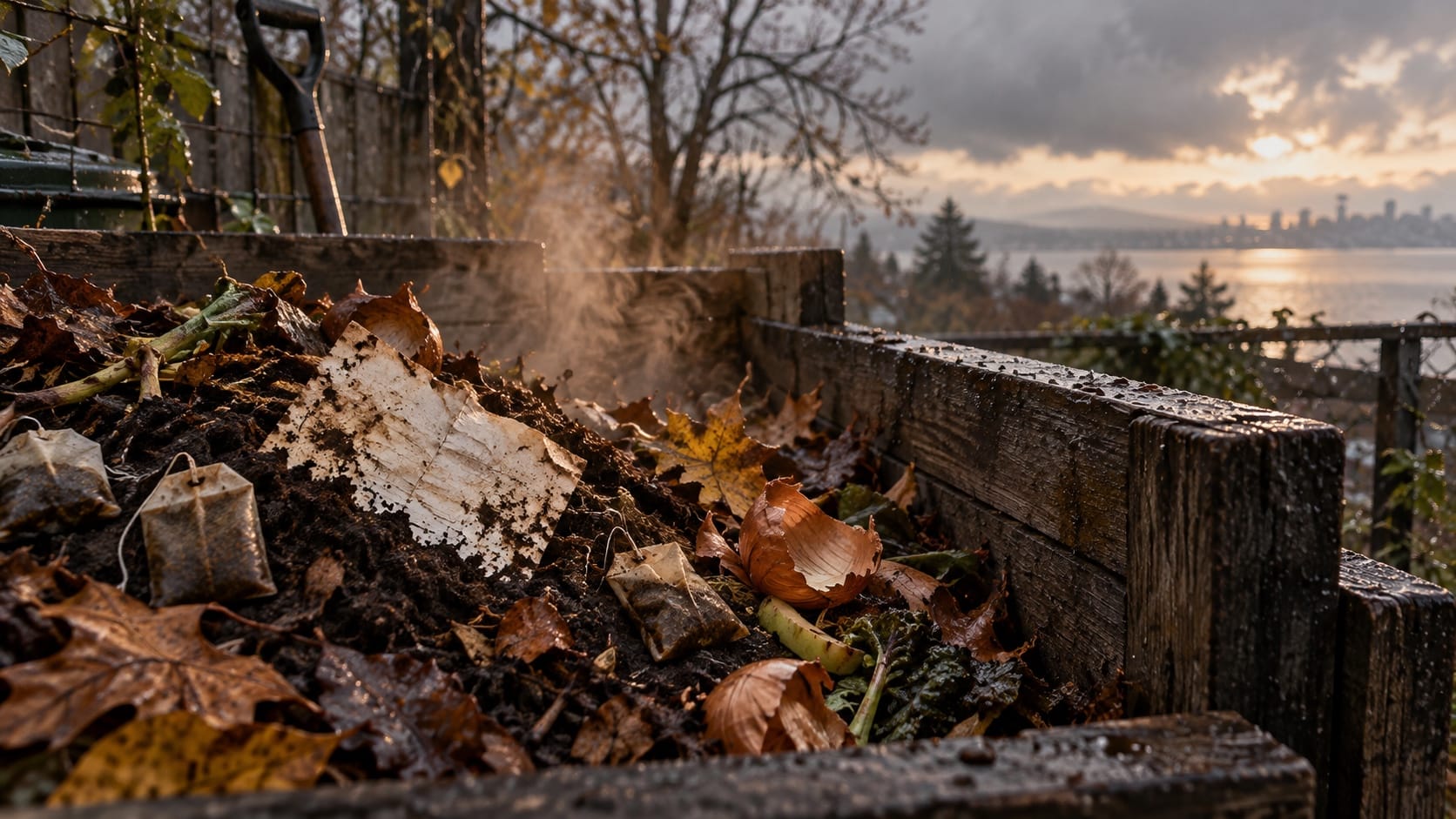
A poem of wet paper, communal compost and an undelivered note, where care arrives too late to be useful.

A night-shift poem where a call-centre script, a father's voicemail and four notes of hold music turn care into a question of attention.
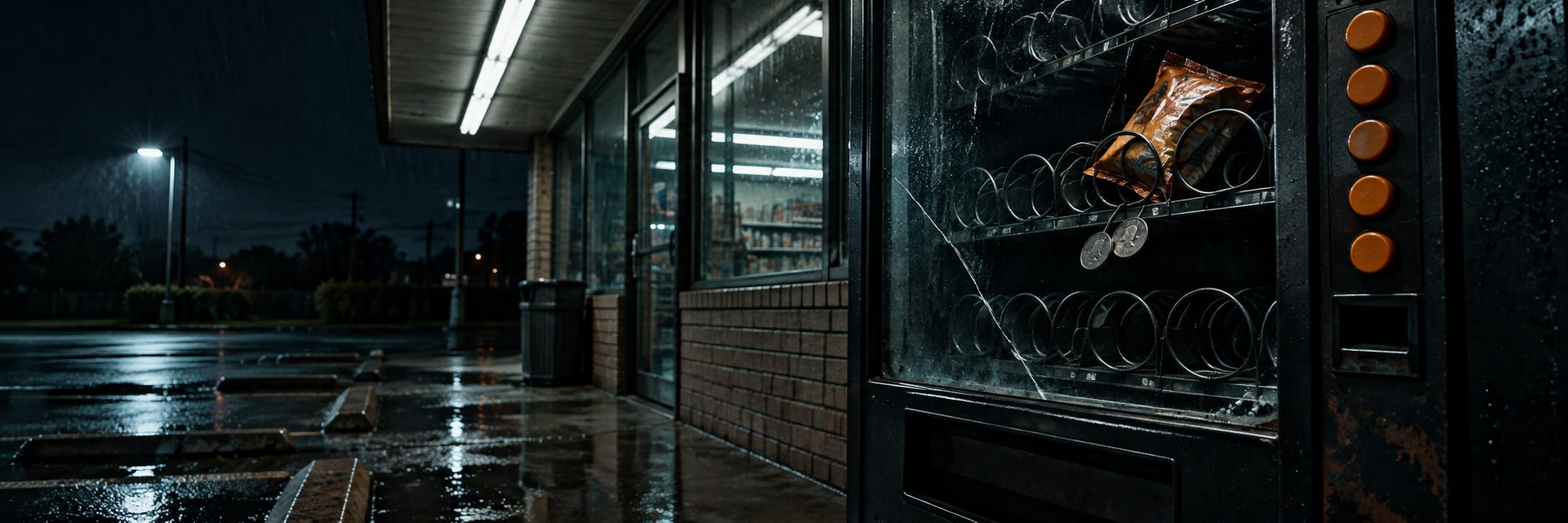
A tense poem set at a broken vending machine, where a failed purchase becomes a way of circling an unsaid sentence.
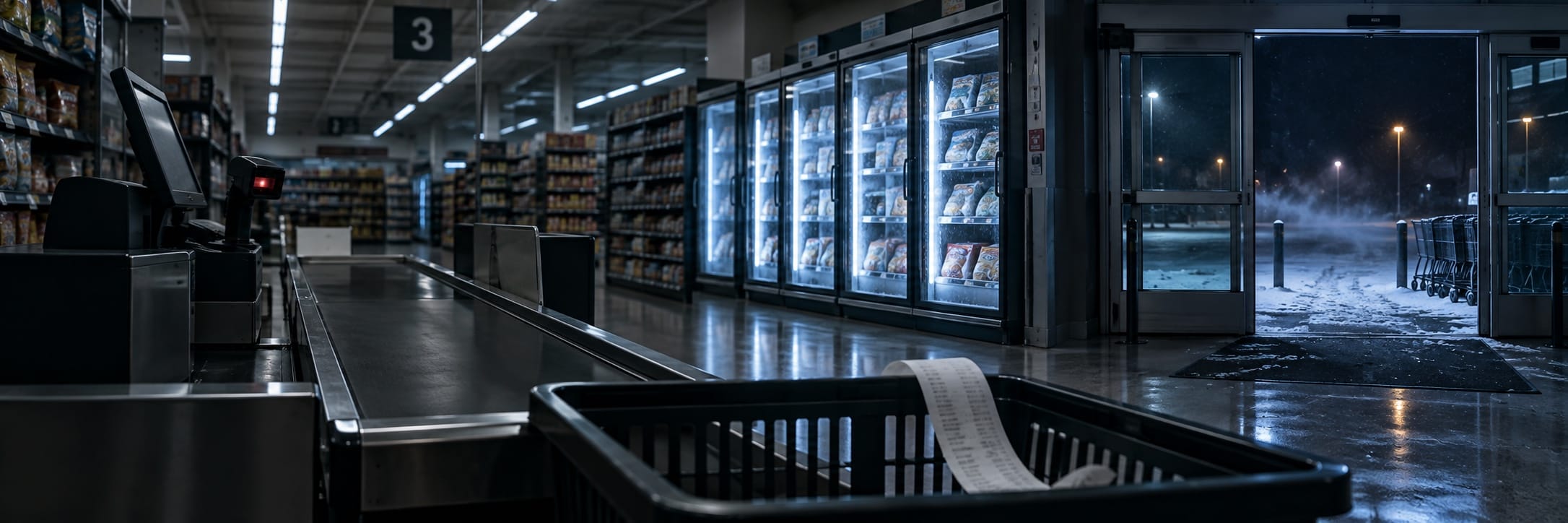
A supermarket encounter poem where fluorescent aisles, a curling receipt and a sudden meeting make departure feel necessary.

Acerbic corporate satire about empathy becoming a branded process that returns people to the queue.
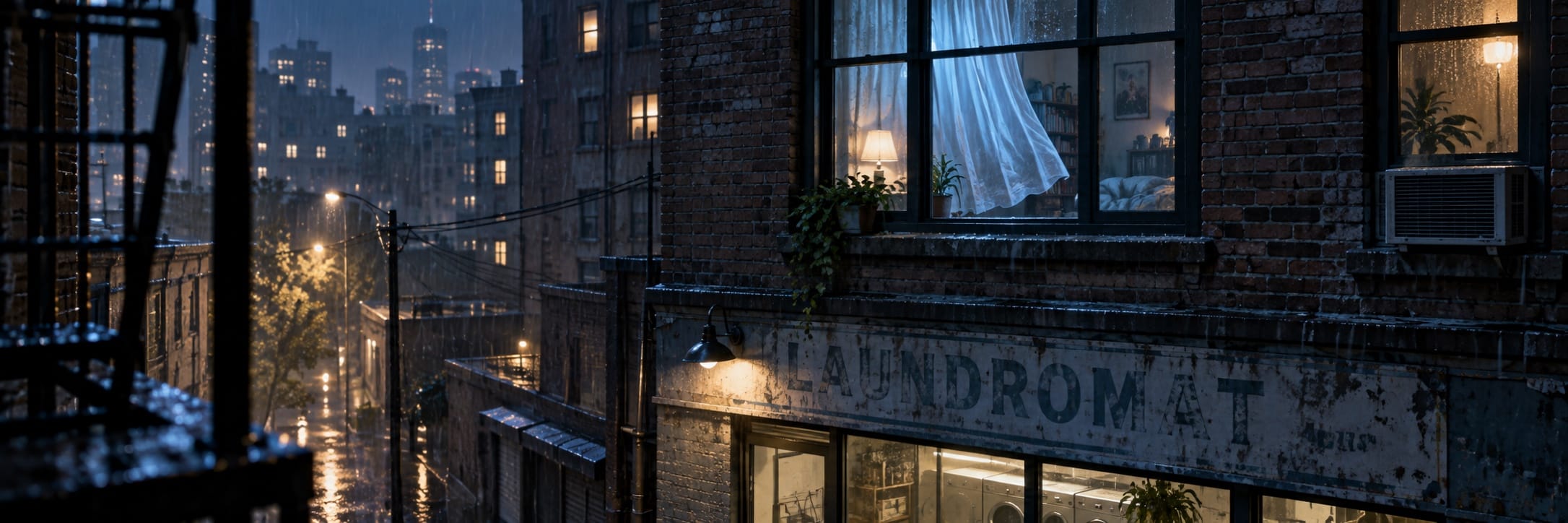
A quiet urban poem about a blue-lit fourth-floor window, an unspoken signal and the small reassurance of staying visible.
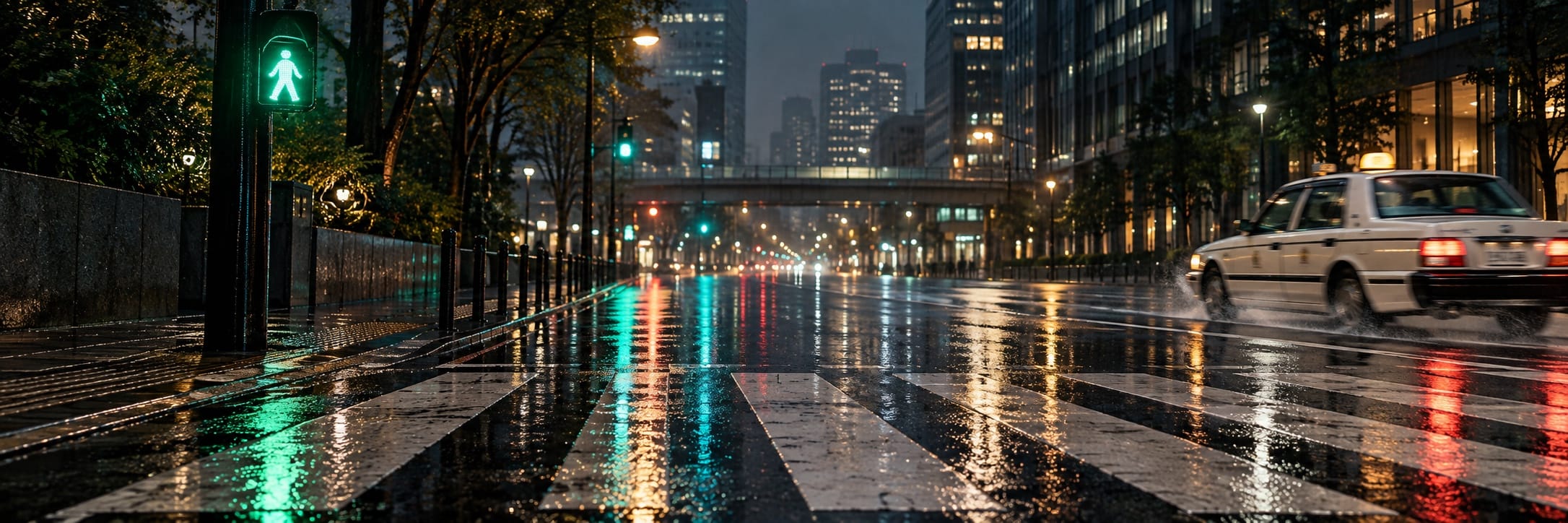
A crossing-at-night poem about moving when the signal changes and choosing action over waiting.
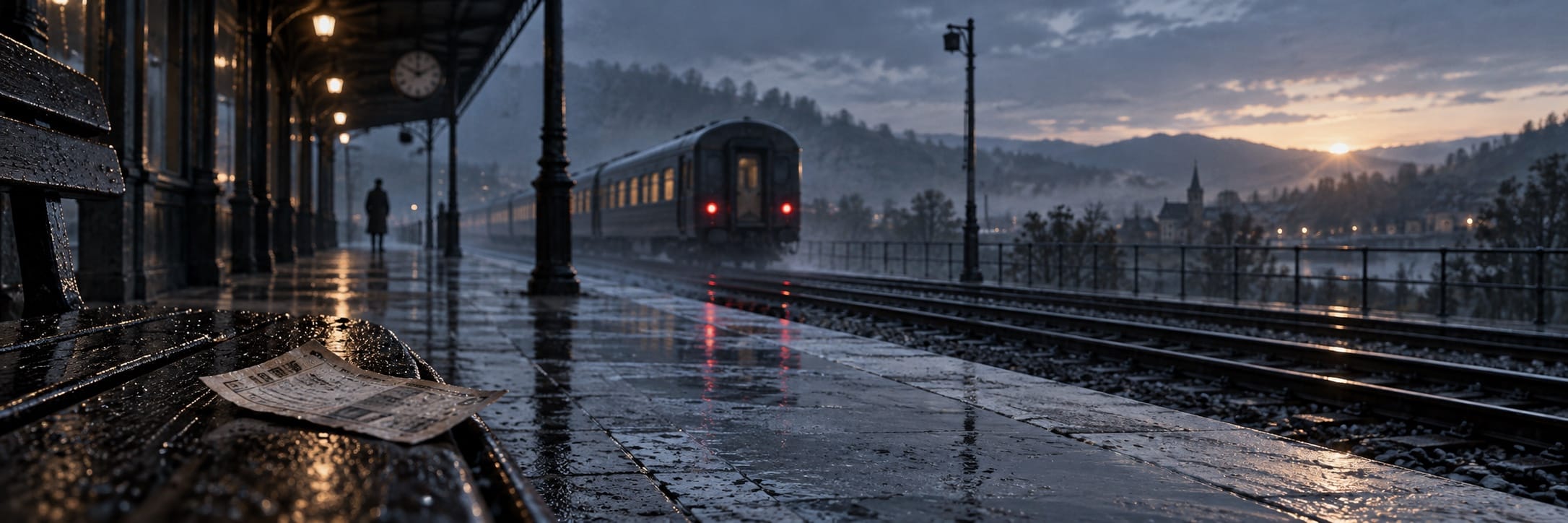
A platform-side poem about a last train, a softened ticket and the light of other lives moving beyond reach.
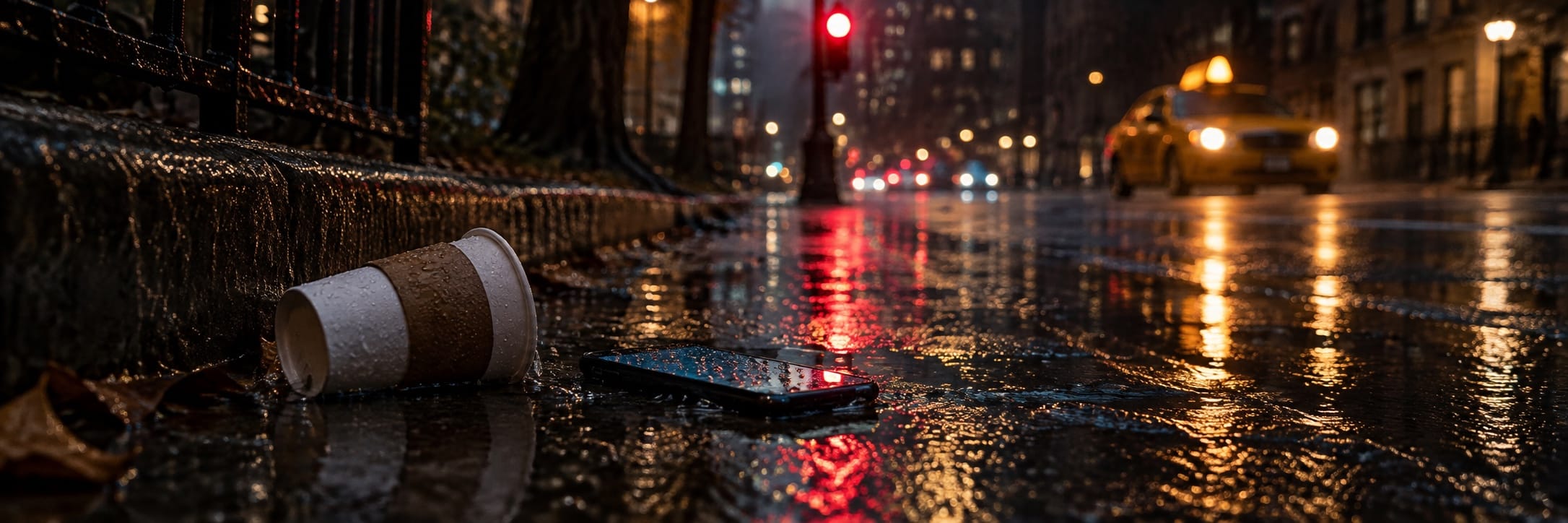
A rain-soaked telephone confession about fear, accountability and the moment a difficult truth is finally heard.
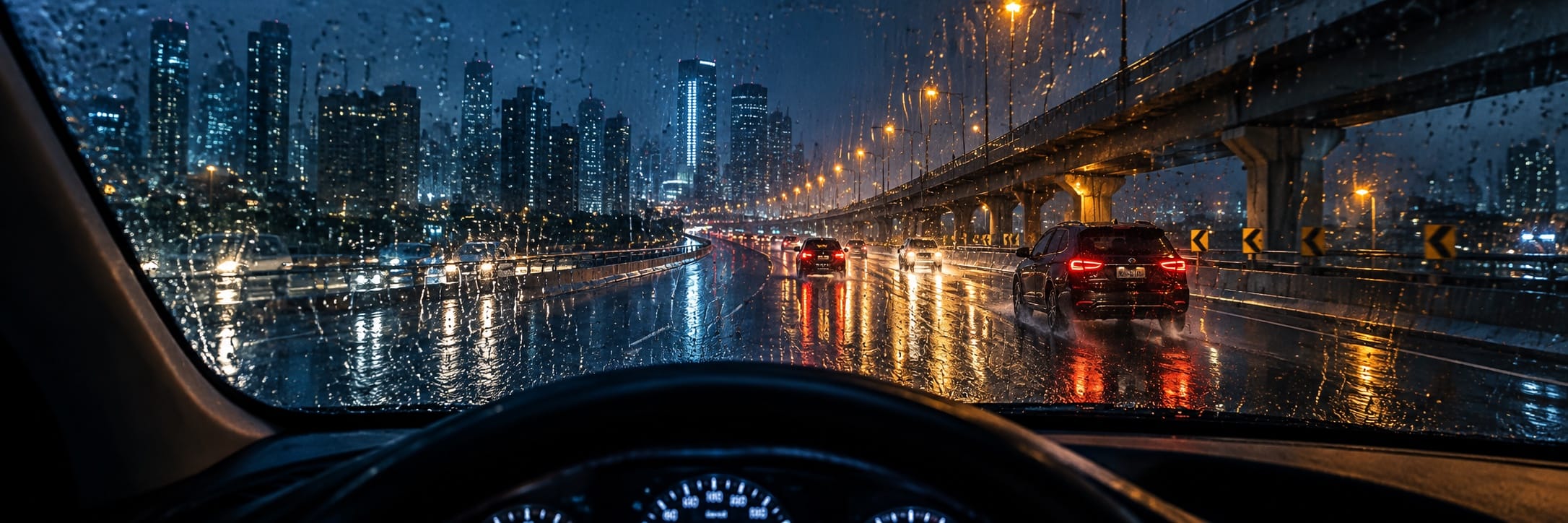
A flyover poem about rain, traffic and the private pressure of crossing paths with someone who still matters.

A satirical poem about polished creative language, inflated ideas and the systems that keep weak thinking alive.
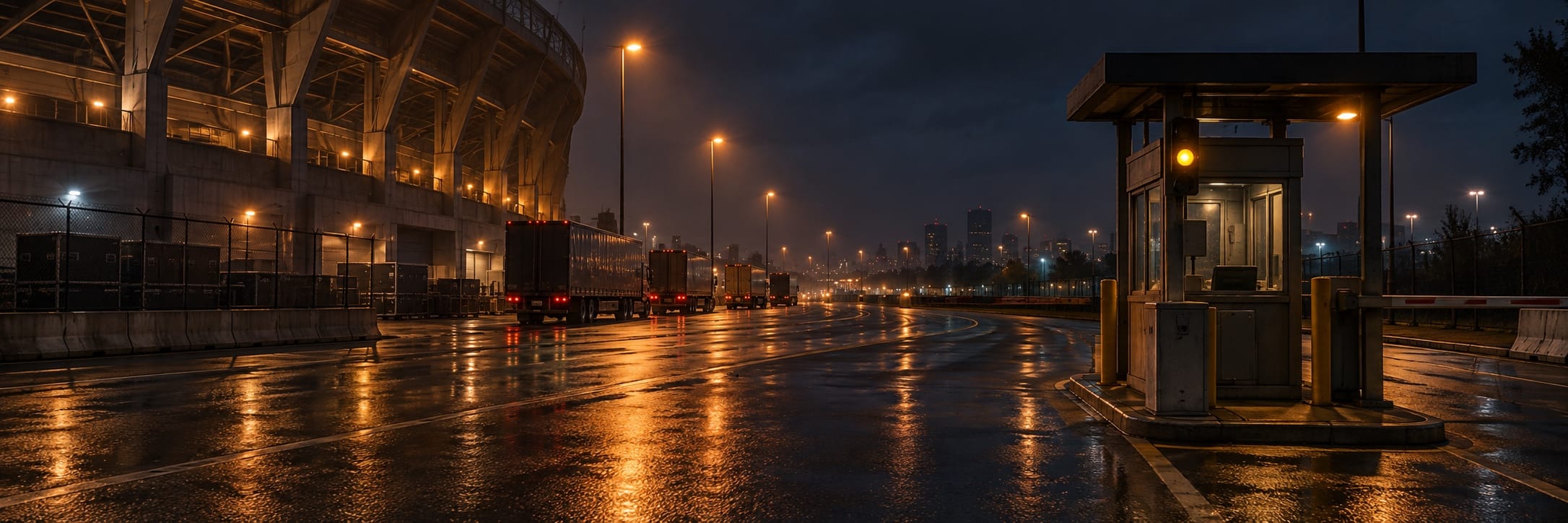
A late-night road poem about taking the wrong exit, leaving an old stopping place behind and continuing without a map.
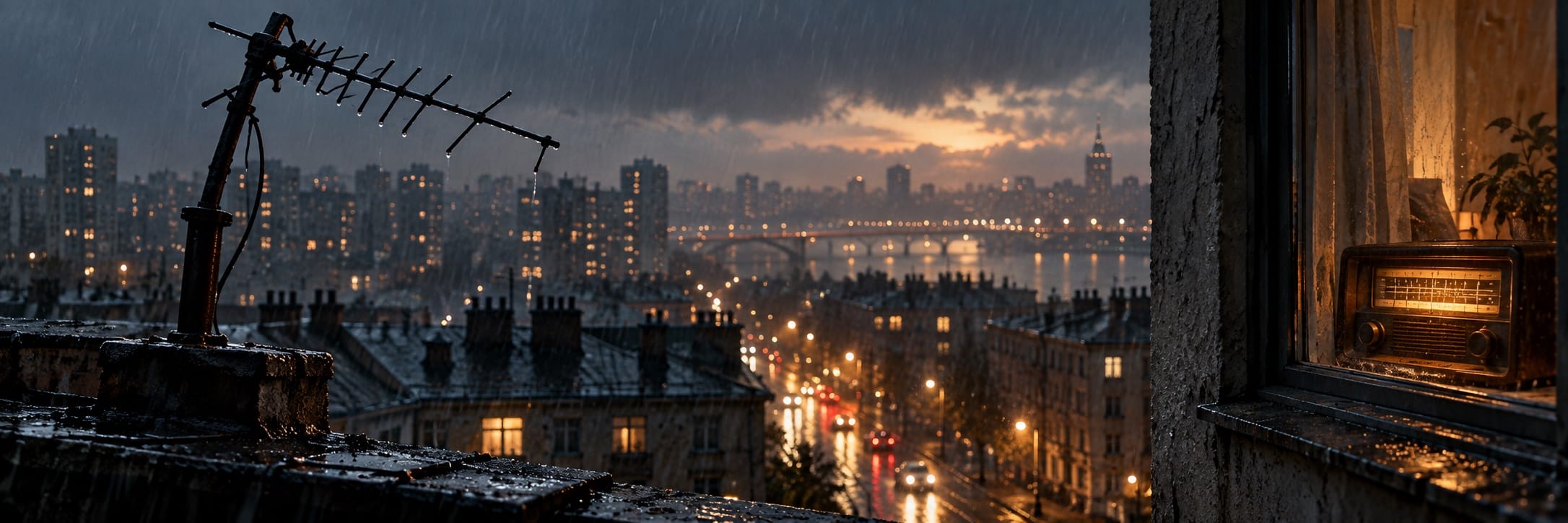
A closing signal poem about rain in the wires, imperfect messages and knowing that a human answer travelled.
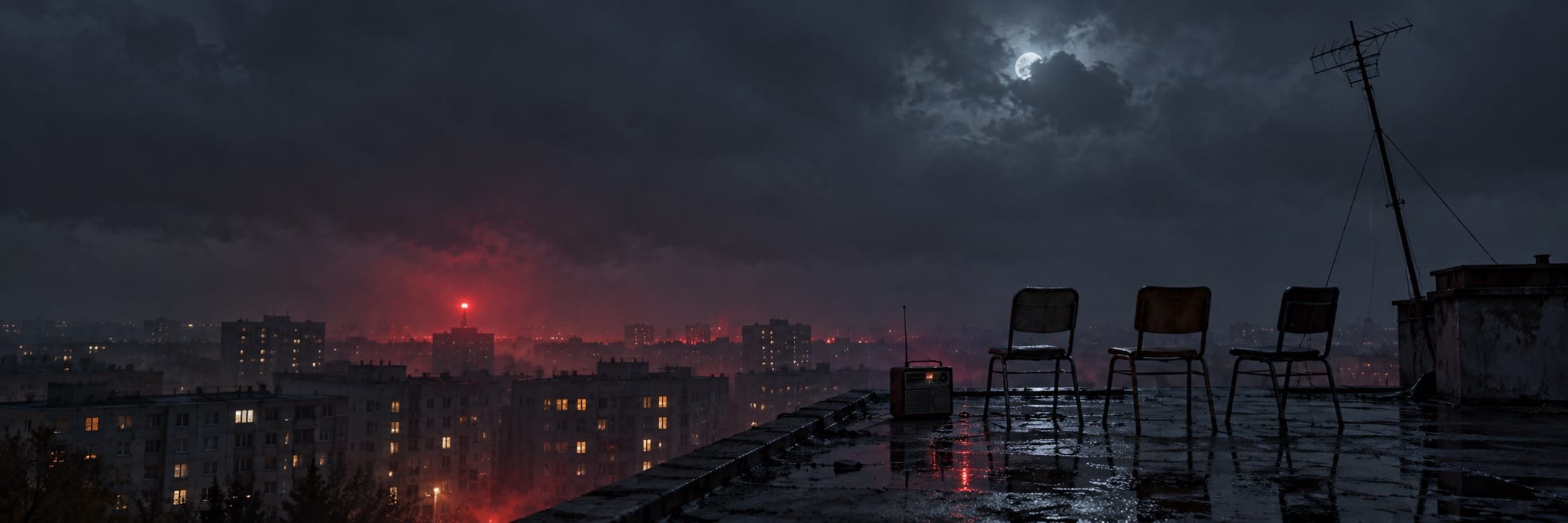
A rooftop radio poem where static, weather and avoided conversation gather into a fragile shared silence.
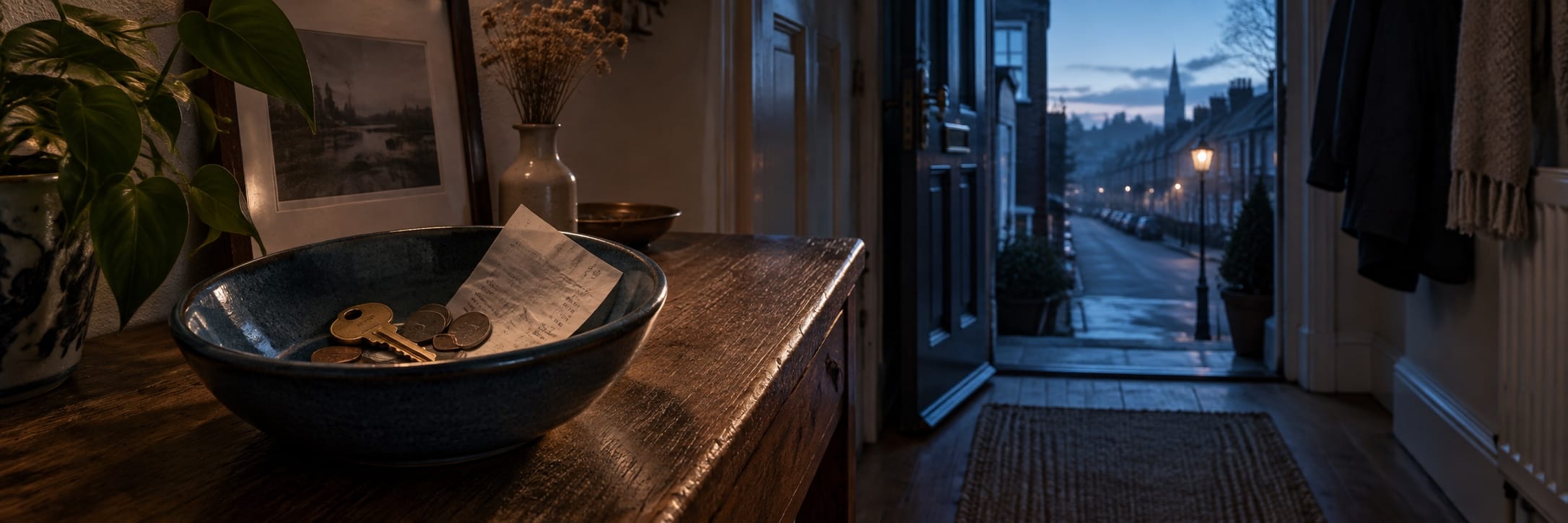
A domestic poem about a spare key, a room left behind and the uncertain work of letting an old attachment remain unfinished.
Poetry themes
Each stream gathers poems by mood, music, pressure, and the kind of attention the piece asks for.
Poems that walk the fault lines: grief, rupture, war, urban grit, and the mythic underbelly of the everyday. Expect charged images, stark music, and hard turns that don’t tidy the mess so much as name it.
Editor’s picks and special spotlights: the poems, sequences, and craft notes we think deserve your front-row gaze. Rotating highlights, seasonal themes, and one-off gems that show the range of our community.
Where verse meets melody. Poems arranged as songs, chants, and soundscapes—complete with audio players, lyric sheets, and credits for collaborators. Expect live takes, studio mixes, and experiments that let the poem sing in new registers.
Field notes of the inner and outer world: weather, seasons, land, and the quiet revolutions of thought. Lyrical attention, ecological awareness, and a contemplative pace define this stream.
Wit with teeth. Irony, parody, and mischief aimed at power, pretence, and the status quo. Formal play and punchy line breaks welcome; the laugh should leave a bruise.
Work of resilience and renewal: poems about survival, kinship, faith (in any form), and the long arc of becoming. Clear cadence, steady light, and endings that open rather than preach.
Dream-logic, fabulism, and mythic visitations. Reality bends, symbols speak, and images carry more than one meaning. The goal is wonder and unease in equal measure.
Poetry in isiZulu, alongside careful translations where offered. A home for imagery, izibongo (praise poetry), and contemporary voices that carry rhythm and story. Submissions may appear bilingual to welcome wider readers.
56 entries across poetry.
6 entries across poetry.
6 entries across poetry.
13 entries across poetry.
3 entries across poetry.
255 entries across poetry.
Poetry began here as play with words, fragments, and unlikely connections. Over time it became a record of feeling, then a way of making sense without forcing neat explanations too early.
Some pieces are more instinctive. Some are more controlled. None of them are interested in pretending the human experience arrives tidy.
These poems are not written to hand over a single fixed meaning. They are written to hold image, pressure, contradiction, and the parts of experience that resist summary.
Read them slowly or read them in a rush. Read them in sequence if you want to notice how the voice shifts over time. Read them out of order if you want the cleaner shock of recognition.
If a poem leaves you with a clearer feeling rather than a cleaner answer, it has done its job.
Some poems also live in voice.
Where a spoken version exists, it should feel like an extension of the page rather than a separate performance layer. The voice is there to carry the pressure of the line, not distract from it.
Collections gather poems by atmosphere, season, pressure, or recurring thread.
Enter a collection when you want a more sustained mood than the main archive offers, or when you want to stay with a particular register a little longer.