
Loading poetry
Poetry
A space for poems, spoken pieces, and collections shaped by pressure, memory, fracture, and feeling.
Poetry categories
Each stream gathers poems by mood, music, pressure, and the kind of attention the piece asks for.
Poems that walk the fault lines: grief, rupture, war, urban grit, and the mythic underbelly of the everyday. Expect charged images, stark music, and hard turns that don’t tidy the mess so much as name it.
Editor’s picks and special spotlights: the poems, sequences, and craft notes we think deserve your front-row gaze. Rotating highlights, seasonal themes, and one-off gems that show the range of our community.
Where verse meets melody. Poems arranged as songs, chants, and soundscapes—complete with audio players, lyric sheets, and credits for collaborators. Expect live takes, studio mixes, and experiments that let the poem sing in new registers.
Field notes of the inner and outer world: weather, seasons, land, and the quiet revolutions of thought. Lyrical attention, ecological awareness, and a contemplative pace define this stream.
Wit with teeth. Irony, parody, and mischief aimed at power, pretence, and the status quo. Formal play and punchy line breaks welcome; the laugh should leave a bruise.
Poems in which a single speaker thinks aloud under pressure. A live occasion, listener, silence or repeated phrase lets the voice turn through argument, memory or self-recognition; meaning emerges through the act of speaking.
Work of resilience and renewal: poems about survival, kinship, faith (in any form), and the long arc of becoming. Clear cadence, steady light, and endings that open rather than preach.
Dream-logic, fabulism, and mythic visitations. Reality bends, symbols speak, and images carry more than one meaning. The goal is wonder and unease in equal measure.
Poetry in isiZulu, alongside careful translations where offered. A home for imagery, izibongo (praise poetry), and contemporary voices that carry rhythm and story. Submissions may appear bilingual to welcome wider readers.
71 entries across poetry.
44 entries across poetry.
94 entries across poetry.
261 entries across poetry.
29 entries across poetry.
126 entries across poetry.
Poetry began here as play with words, fragments, and unlikely connections. Over time it became a record of feeling, then a way of making sense without forcing neat explanations too early.
Some pieces are more instinctive. Some are more controlled. None of them are interested in pretending the human experience arrives tidy.
These poems are not written to hand over a single fixed meaning. They are written to hold image, pressure, contradiction, and the parts of experience that resist summary.
Read them slowly or read them in a rush. Read them in sequence if you want to notice how the voice shifts over time. Read them out of order if you want the cleaner shock of recognition.
If a poem leaves you with a clearer feeling rather than a cleaner answer, it has done its job.
Some poems also live in voice.
Where a spoken version exists, it should feel like an extension of the page rather than a separate performance layer. The voice is there to carry the pressure of the line, not distract from it.
Collections gather poems by atmosphere, season, pressure, or recurring thread.
Enter a collection when you want a more sustained mood than the main archive offers, or when you want to stay with a particular register a little longer.
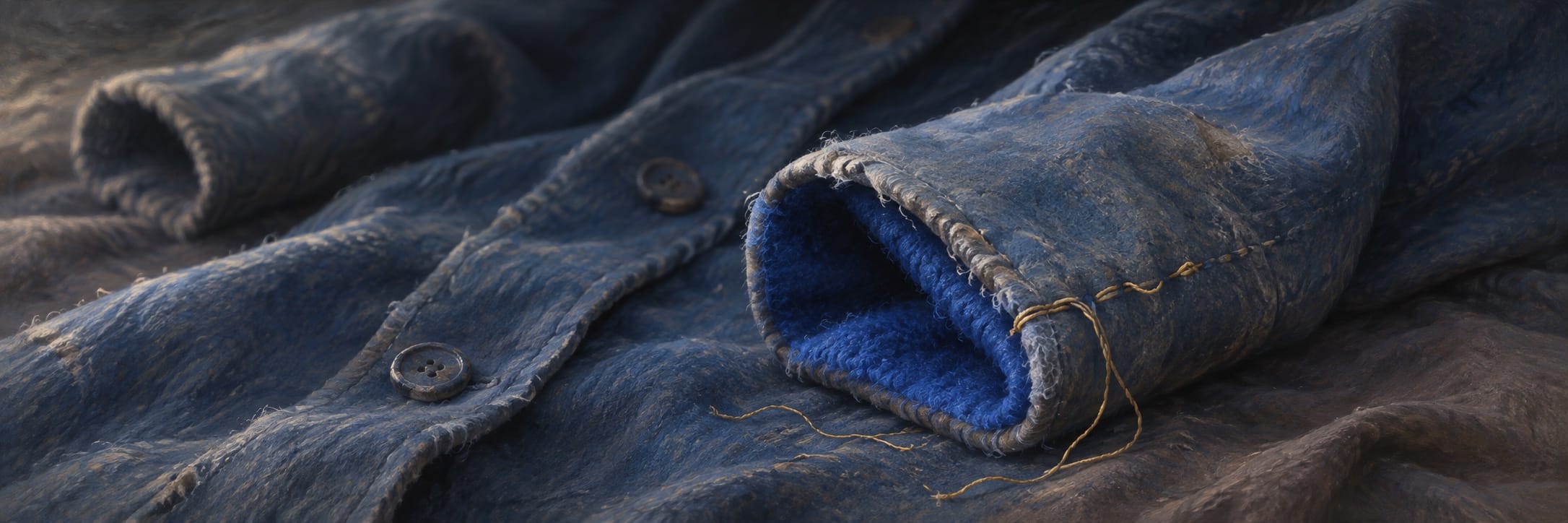
A winter coat passes from a brother to his sister, carrying old creases and deep blue cloth hidden inside its sleeves.

A three-line poem of cloth, pins and a seam pulling tight during a fitting.

A two-line poem in which copper coins poured from a tin recall forgotten birthdays.
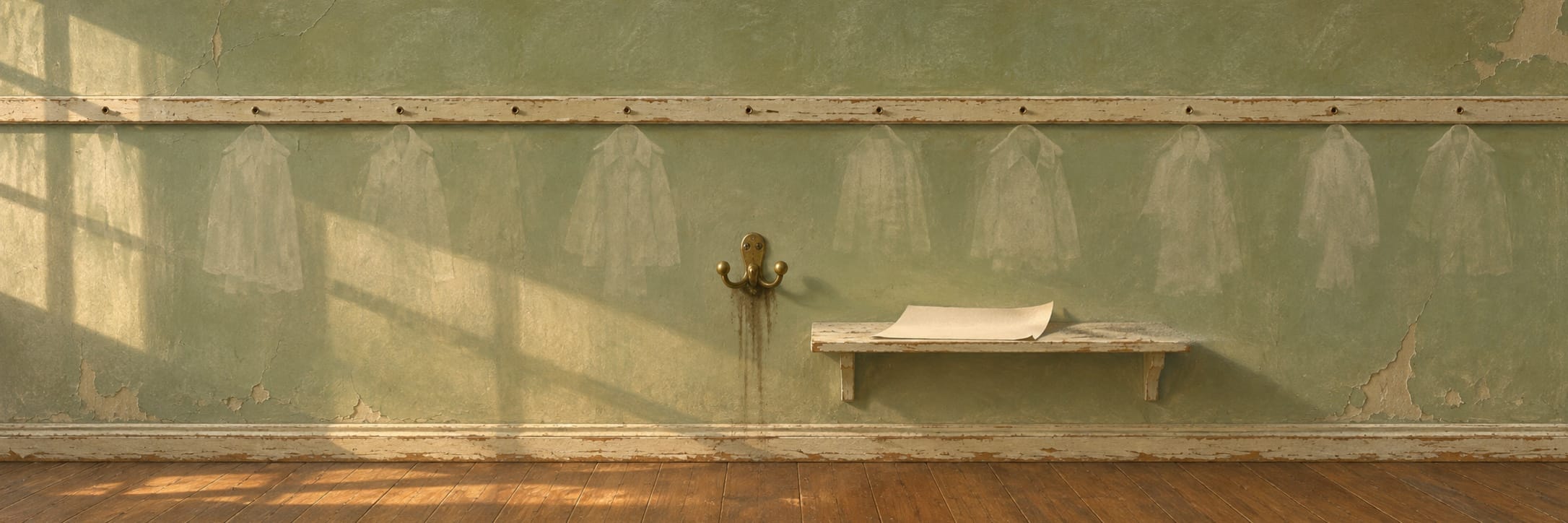
A clerk and caretaker inventory an old coatroom, where a low hook, a wet cuff and a streak of dust complicate the record of vacancy.

A child spends weekdays with a witch and weekends in Hell, while a court-ordered handover book becomes a record of family life.
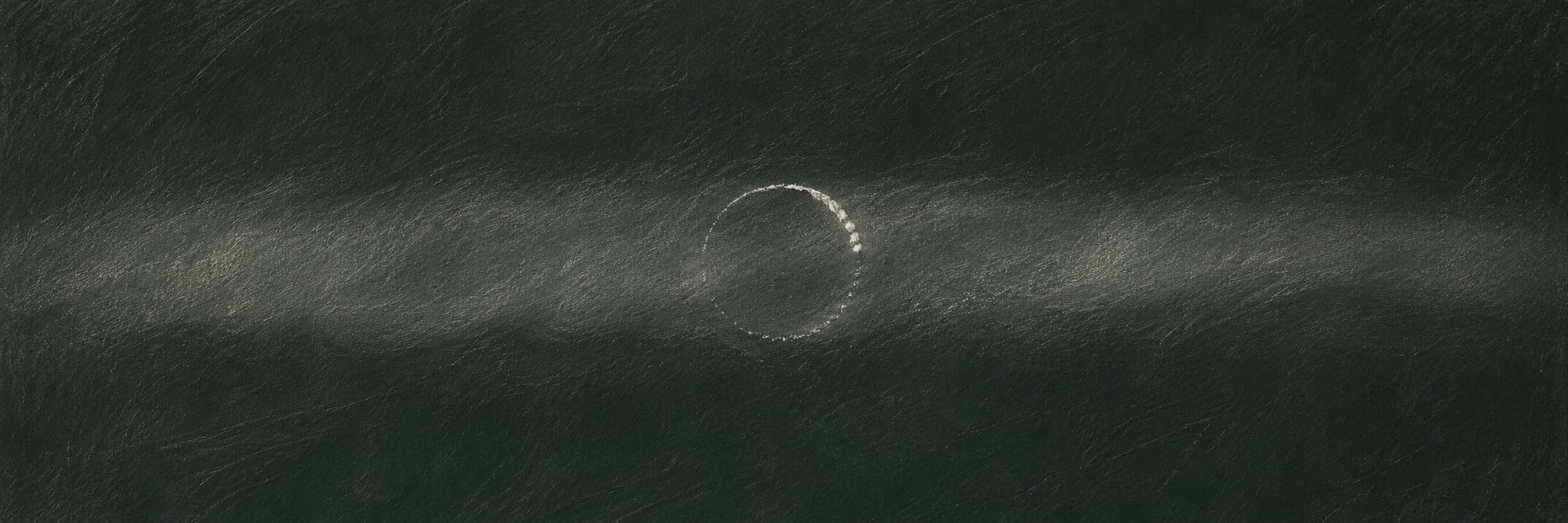
A short poem about a chalk moon drawn by small hands and the outline left behind when it is wiped from a blackboard.
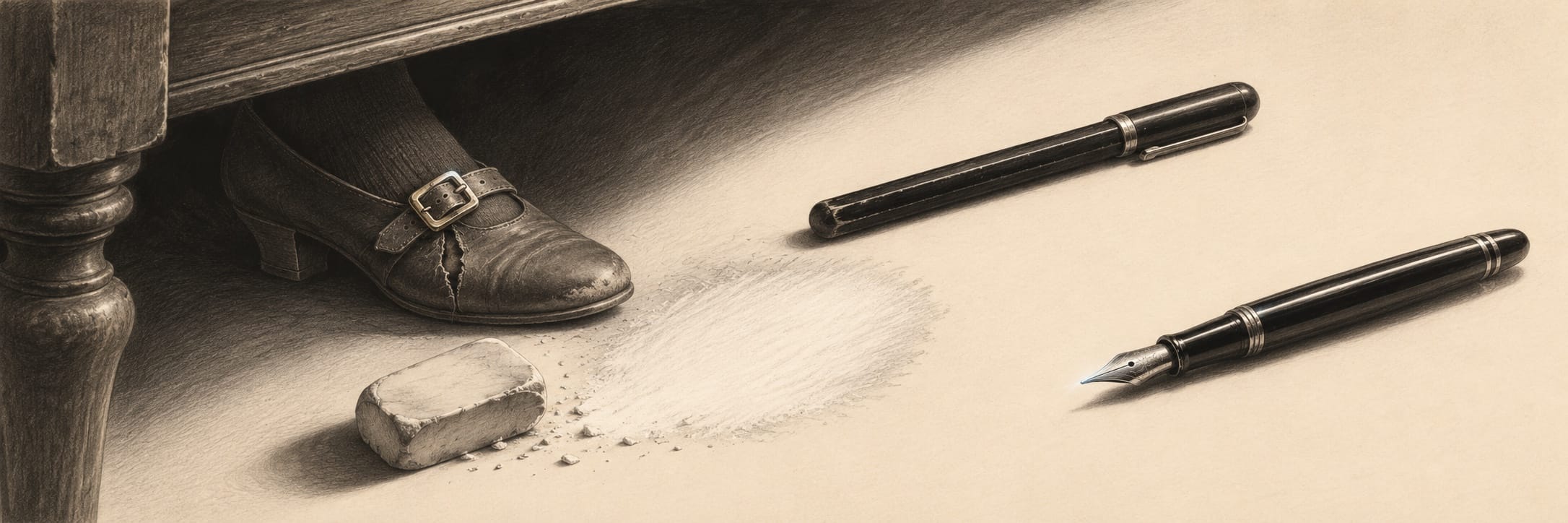
A clerk erases a death date to restore her sister, who writes her killer’s name in the margin.
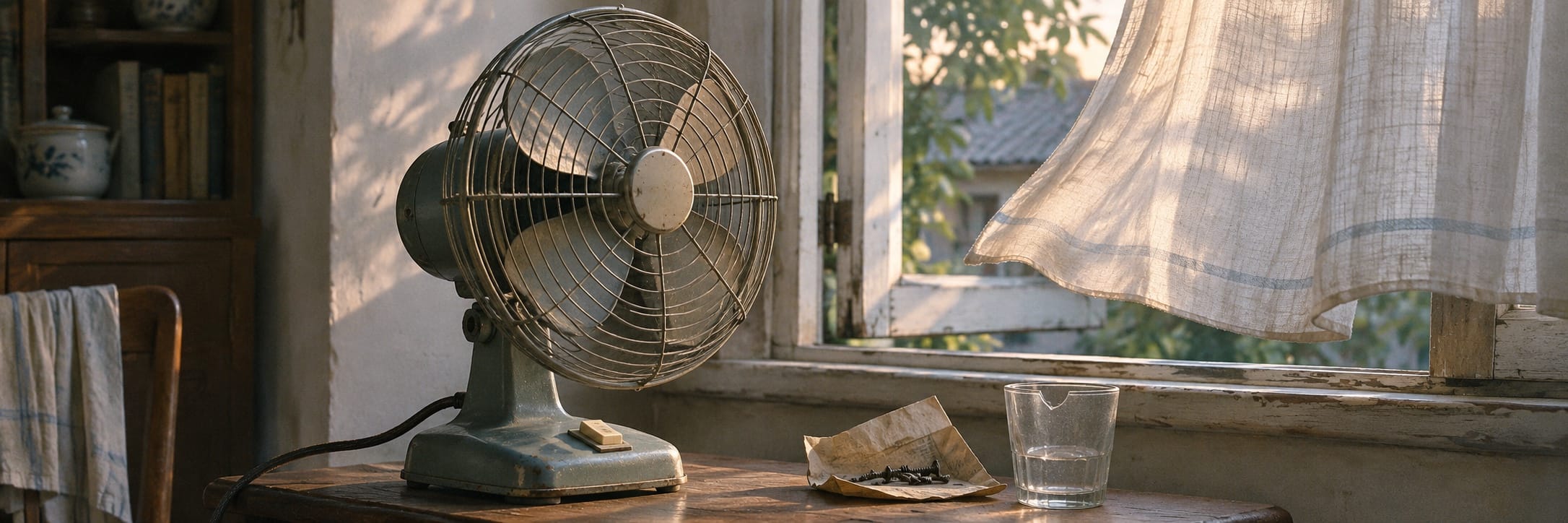
A repaired fan makes a familiar low note while its removed screws remain in a paper sleeve above the sink.
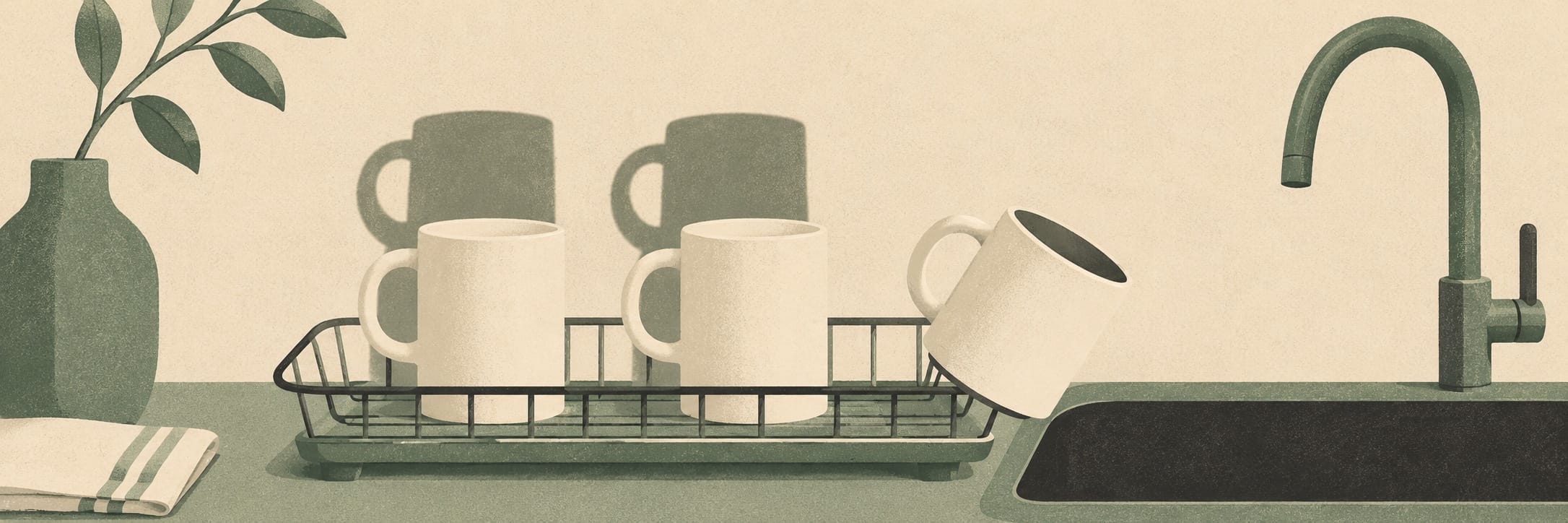
Three drying cups and two shadows create a brief domestic poem about imbalance, with the third cup tipping towards the sink.
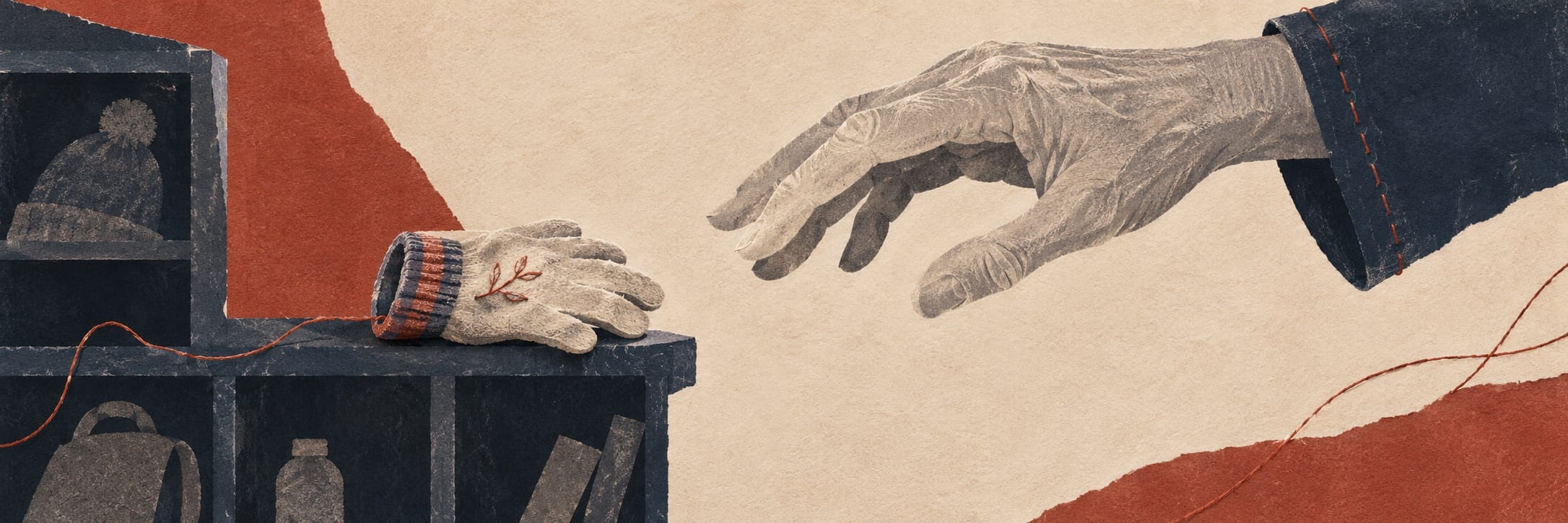
A child’s glove is claimed by a hand that no longer fits it, in a four-line poem about ownership, time and an unresolved return.
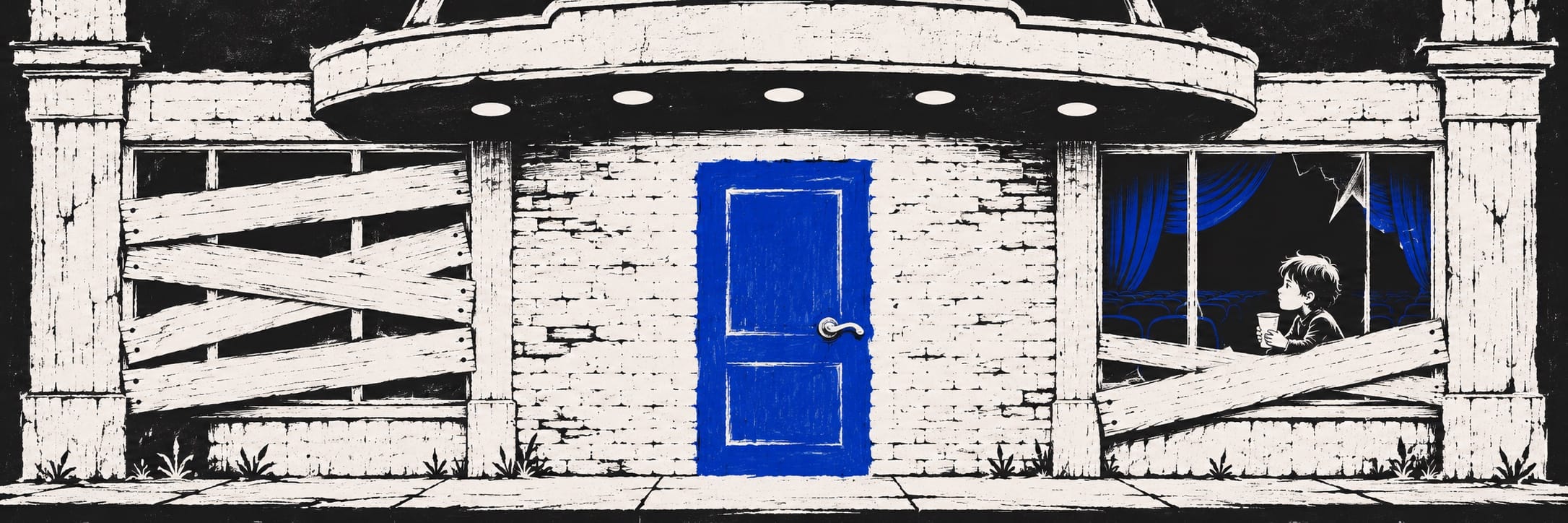
After a theatre is condemned, a painted door opens and children draw a new place to gather.
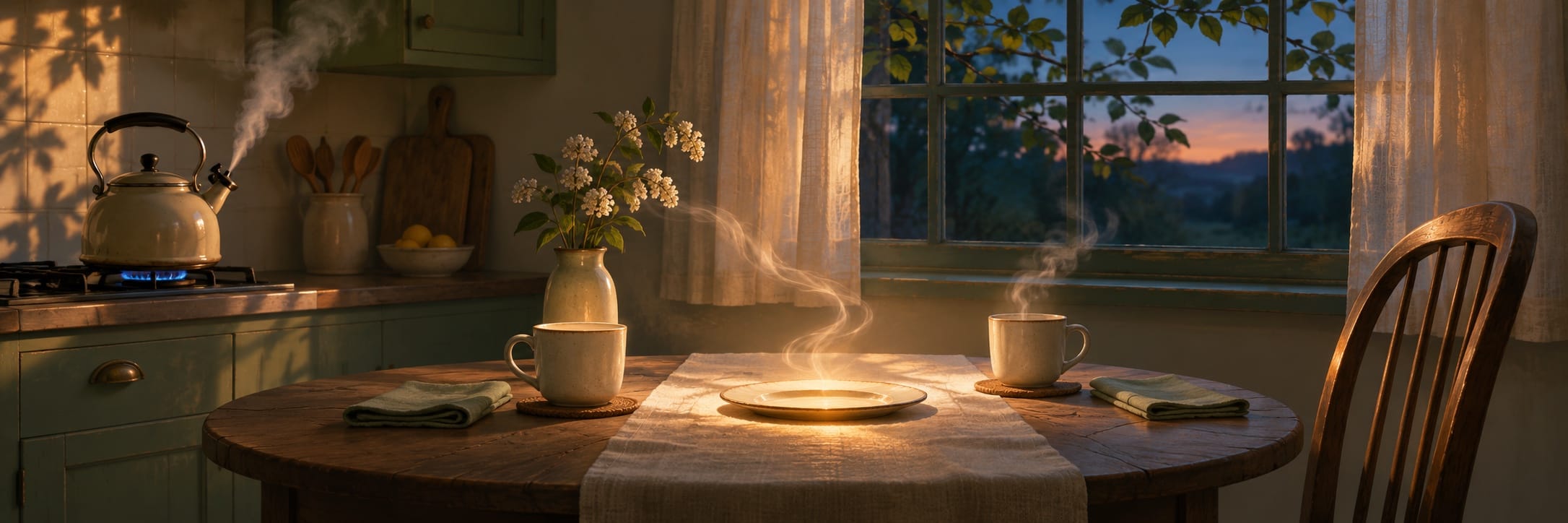
A kettle and two cups transform an empty kitchen into a place of imagined company.
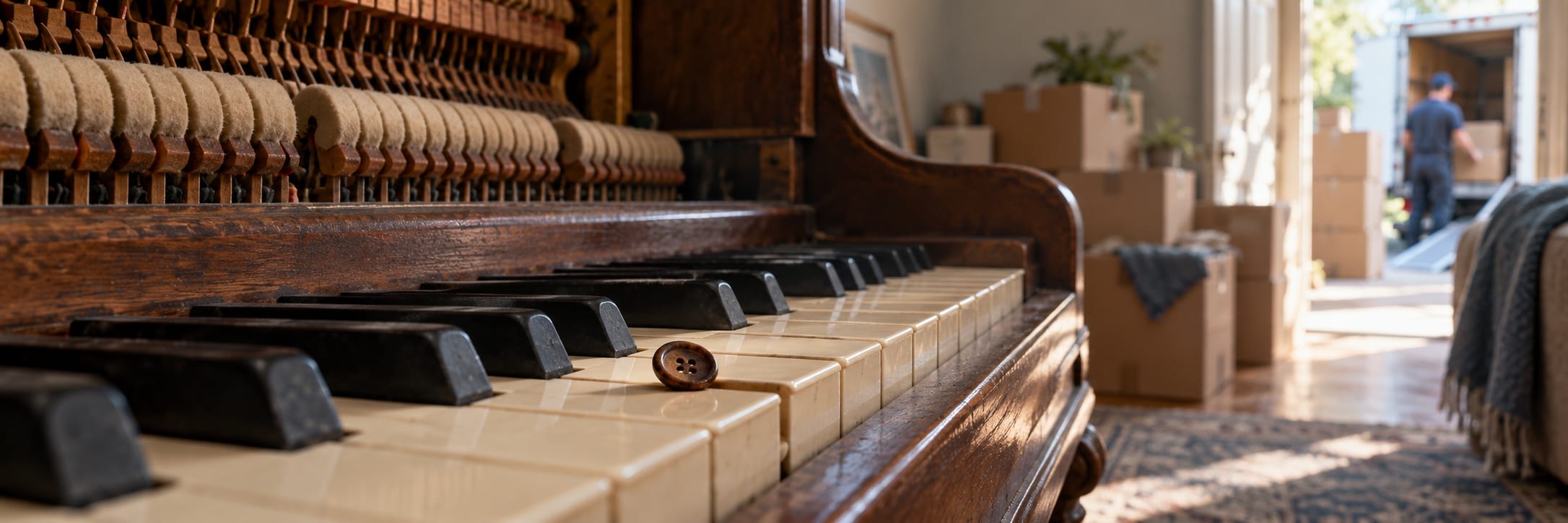
A pianist tries an unfinished tune while movers wait, with a cuff button carrying the weight of departure.

A lost-property inventory preserves traces of an absent room through labels, marks and quiet evidence.
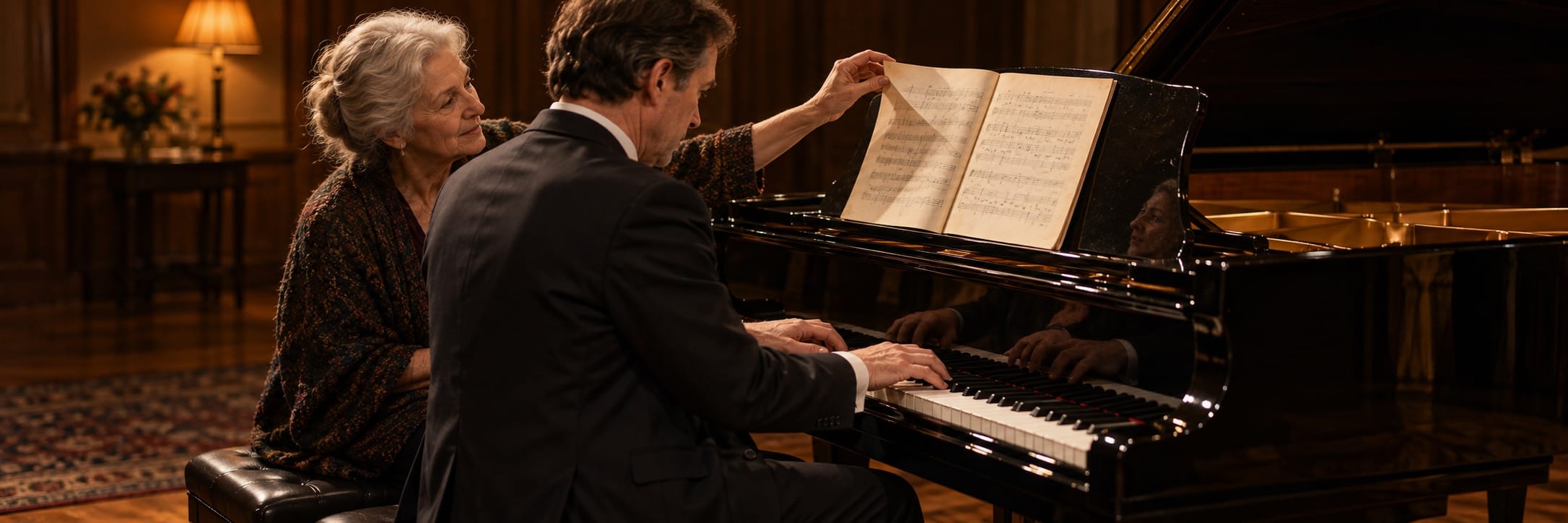
A former piano teacher turns pages for a former pupil, hearing an old correction beneath the music he plays now.
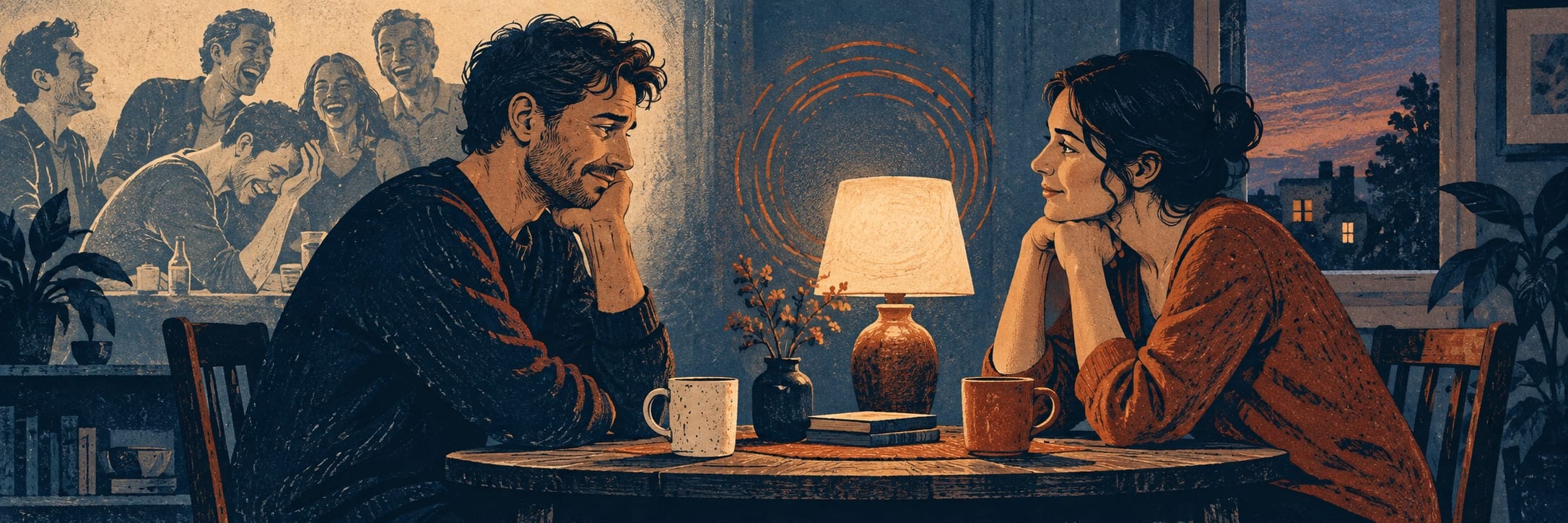
A poem about self-deprecating humour, the private replay of laughter, and learning to speak while someone keeps listening.
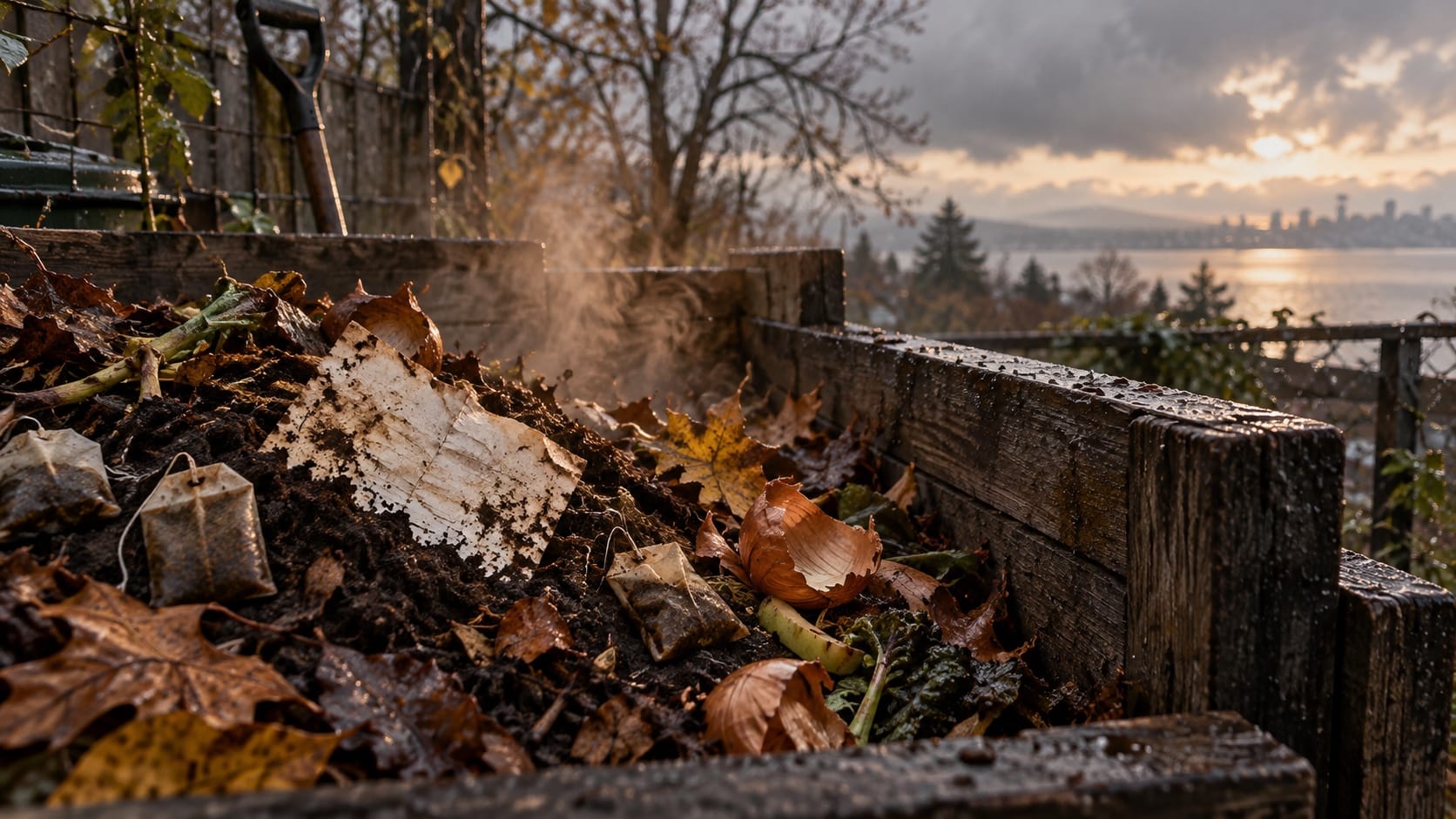
A poem of wet paper, communal compost and an undelivered note, where care arrives too late to be useful.
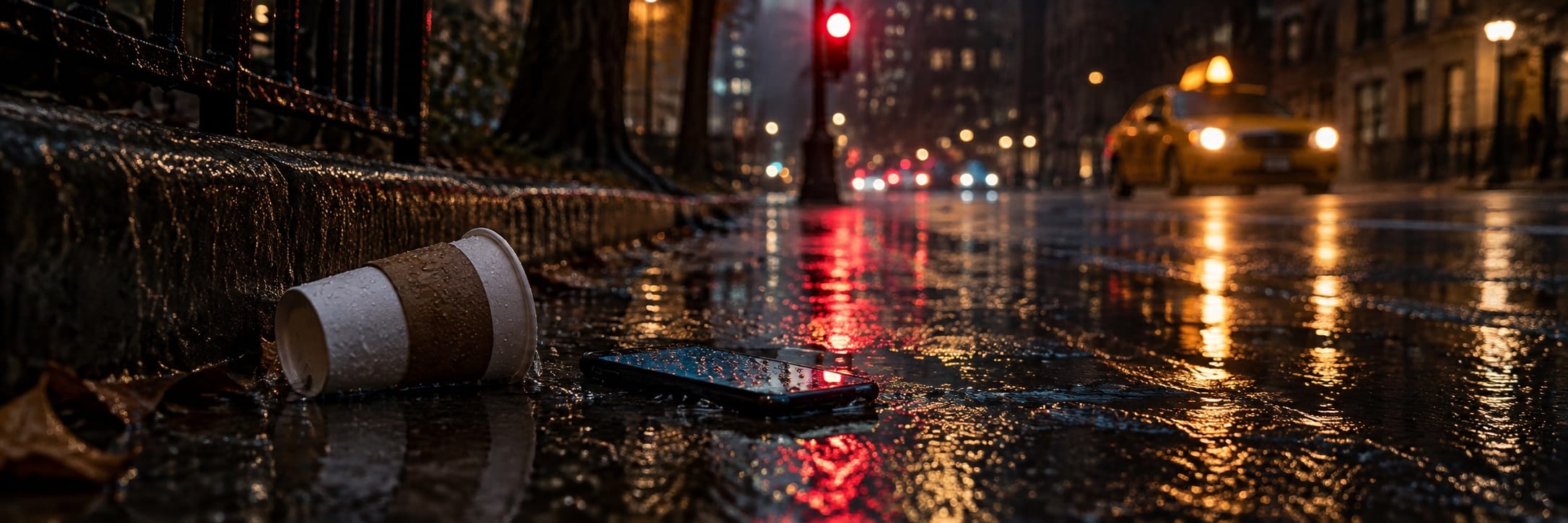
A rain-soaked telephone confession about fear, accountability and the moment a difficult truth is finally heard.
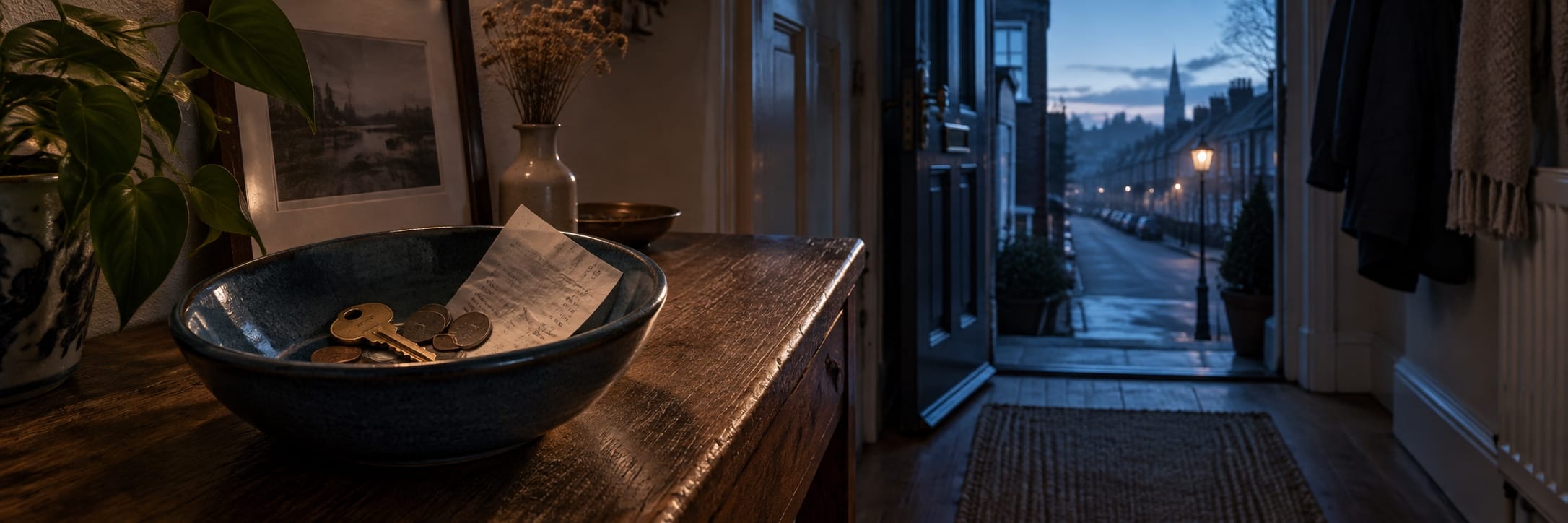
A domestic poem about a spare key, a room left behind and the uncertain work of letting an old attachment remain unfinished.
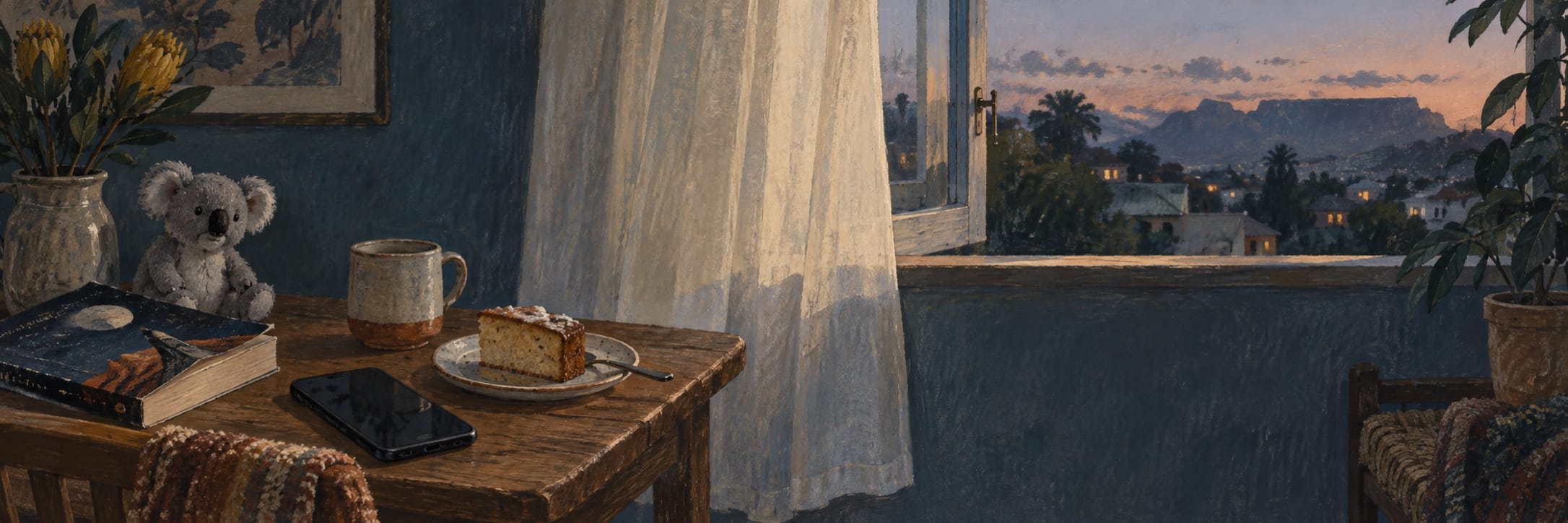
A brother writes to his sister after cancer treatment, holding fear, relief, delayed processing and the ordinary promise to keep answering.
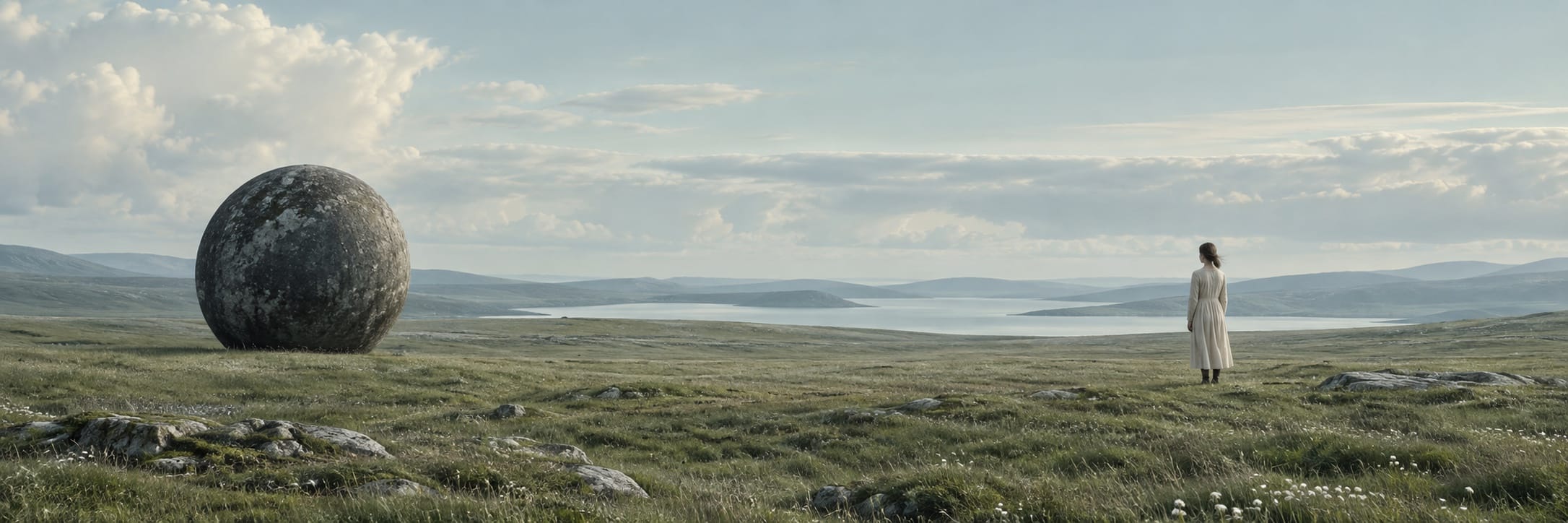
A strength & spirit poem about distance, refusal, choice, where attention changes the scale of the ordinary.
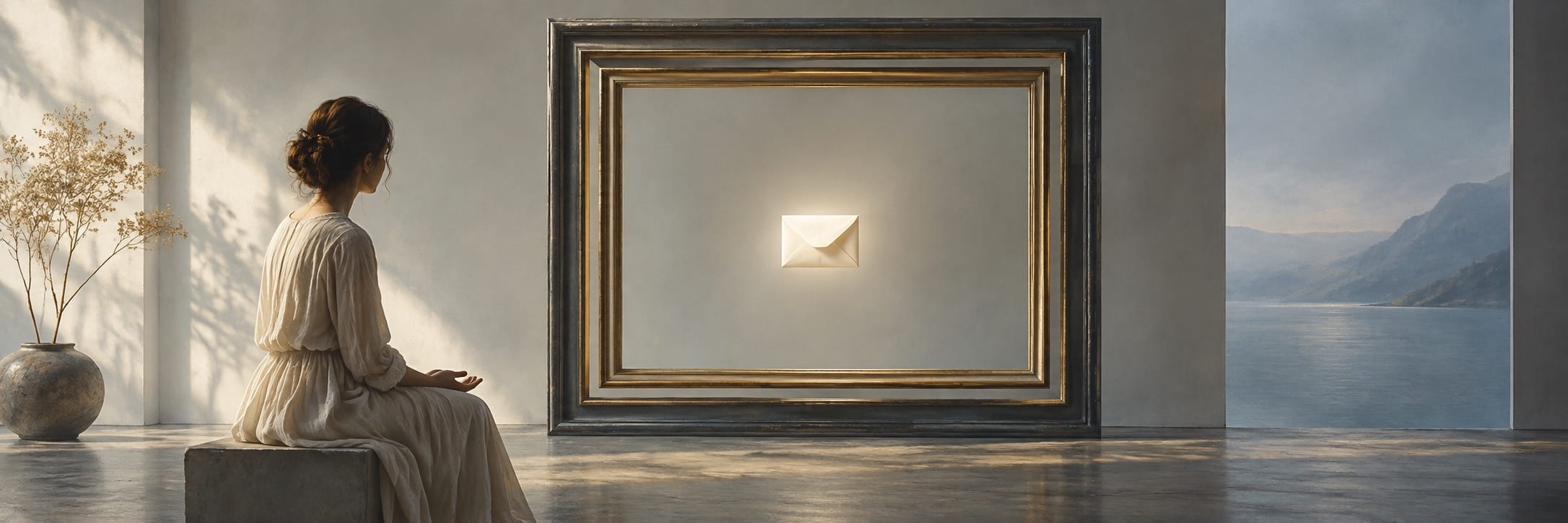
A nature & reflection poem about frame, letter, looking, where attention changes the scale of the ordinary.
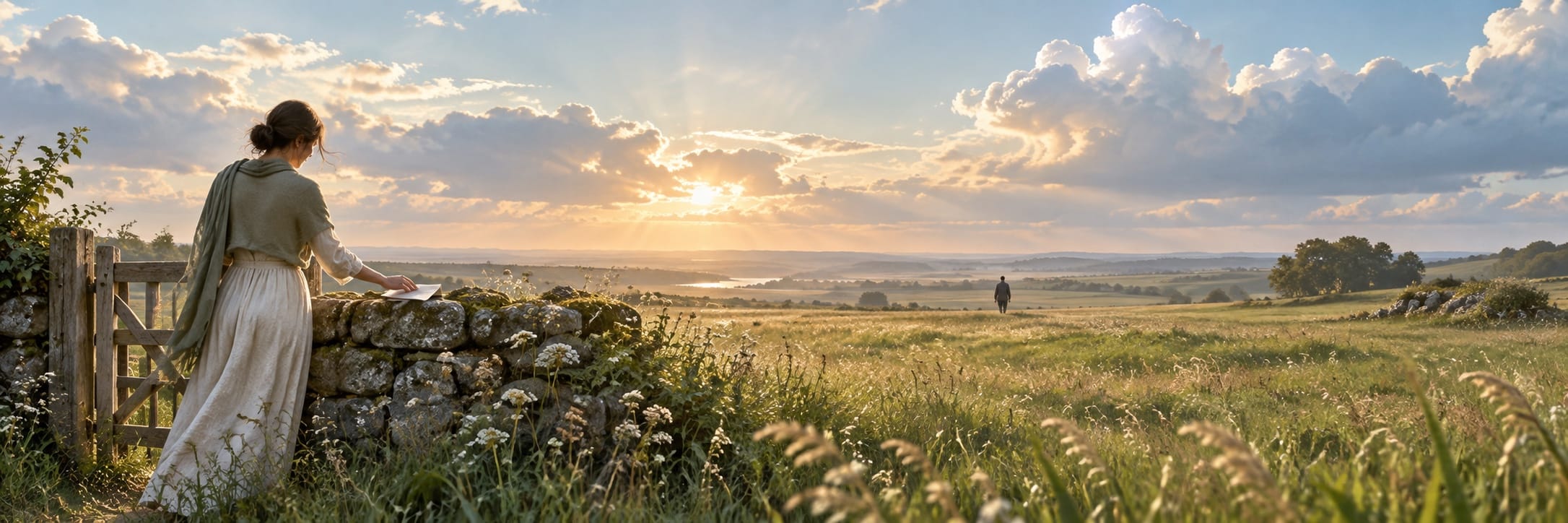
A nature & reflection poem about field, light, boundary, where attention changes the scale of the ordinary.

Impossible objects become almost domestic, turning strangeness into a place the speaker can inhabit.