
Loading poetry
Poetry
A space for poems, spoken pieces, and collections shaped by pressure, memory, fracture, and feeling.
Poetry categories
Each stream gathers poems by mood, music, pressure, and the kind of attention the piece asks for.
Poems that walk the fault lines: grief, rupture, war, urban grit, and the mythic underbelly of the everyday. Expect charged images, stark music, and hard turns that don’t tidy the mess so much as name it.
Editor’s picks and special spotlights: the poems, sequences, and craft notes we think deserve your front-row gaze. Rotating highlights, seasonal themes, and one-off gems that show the range of our community.
Where verse meets melody. Poems arranged as songs, chants, and soundscapes—complete with audio players, lyric sheets, and credits for collaborators. Expect live takes, studio mixes, and experiments that let the poem sing in new registers.
Field notes of the inner and outer world: weather, seasons, land, and the quiet revolutions of thought. Lyrical attention, ecological awareness, and a contemplative pace define this stream.
Wit with teeth. Irony, parody, and mischief aimed at power, pretence, and the status quo. Formal play and punchy line breaks welcome; the laugh should leave a bruise.
Poems in which a single speaker thinks aloud under pressure. A live occasion, listener, silence or repeated phrase lets the voice turn through argument, memory or self-recognition; meaning emerges through the act of speaking.
Work of resilience and renewal: poems about survival, kinship, faith (in any form), and the long arc of becoming. Clear cadence, steady light, and endings that open rather than preach.
Dream-logic, fabulism, and mythic visitations. Reality bends, symbols speak, and images carry more than one meaning. The goal is wonder and unease in equal measure.
Poetry in isiZulu, alongside careful translations where offered. A home for imagery, izibongo (praise poetry), and contemporary voices that carry rhythm and story. Submissions may appear bilingual to welcome wider readers.
71 entries across poetry.
44 entries across poetry.
94 entries across poetry.
261 entries across poetry.
29 entries across poetry.
126 entries across poetry.
Poetry began here as play with words, fragments, and unlikely connections. Over time it became a record of feeling, then a way of making sense without forcing neat explanations too early.
Some pieces are more instinctive. Some are more controlled. None of them are interested in pretending the human experience arrives tidy.
These poems are not written to hand over a single fixed meaning. They are written to hold image, pressure, contradiction, and the parts of experience that resist summary.
Read them slowly or read them in a rush. Read them in sequence if you want to notice how the voice shifts over time. Read them out of order if you want the cleaner shock of recognition.
If a poem leaves you with a clearer feeling rather than a cleaner answer, it has done its job.
Some poems also live in voice.
Where a spoken version exists, it should feel like an extension of the page rather than a separate performance layer. The voice is there to carry the pressure of the line, not distract from it.
Collections gather poems by atmosphere, season, pressure, or recurring thread.
Enter a collection when you want a more sustained mood than the main archive offers, or when you want to stay with a particular register a little longer.

A plush rabbit in a skeleton suit sits among pumpkin masks, its printed red heart contrasted with a hand holding its soft body.

A concert audience waits between the final chord and applause, while a child, a pianist and a falling programme measure the silence.
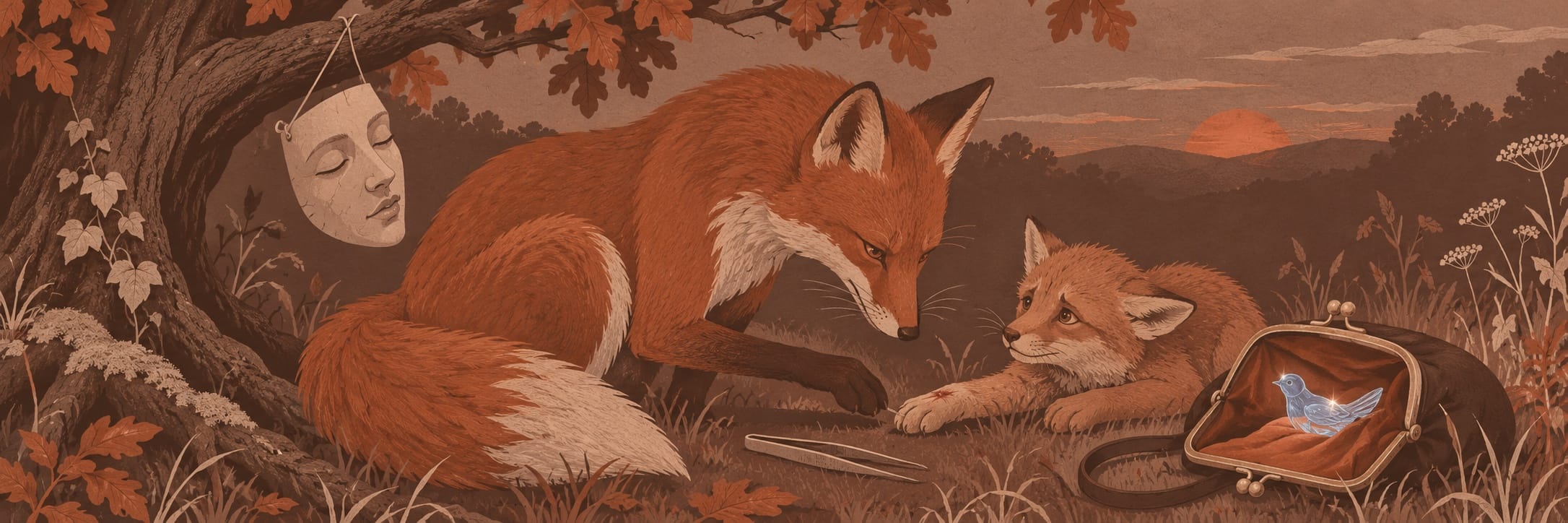
A fox borrows a human face to buy tweezers for an injured cub, then discovers that an unnecessary purchase outlasts the disguise.

Three drying cups and two shadows create a brief domestic poem about imbalance, with the third cup tipping towards the sink.

A child’s glove is claimed by a hand that no longer fits it, in a four-line poem about ownership, time and an unresolved return.
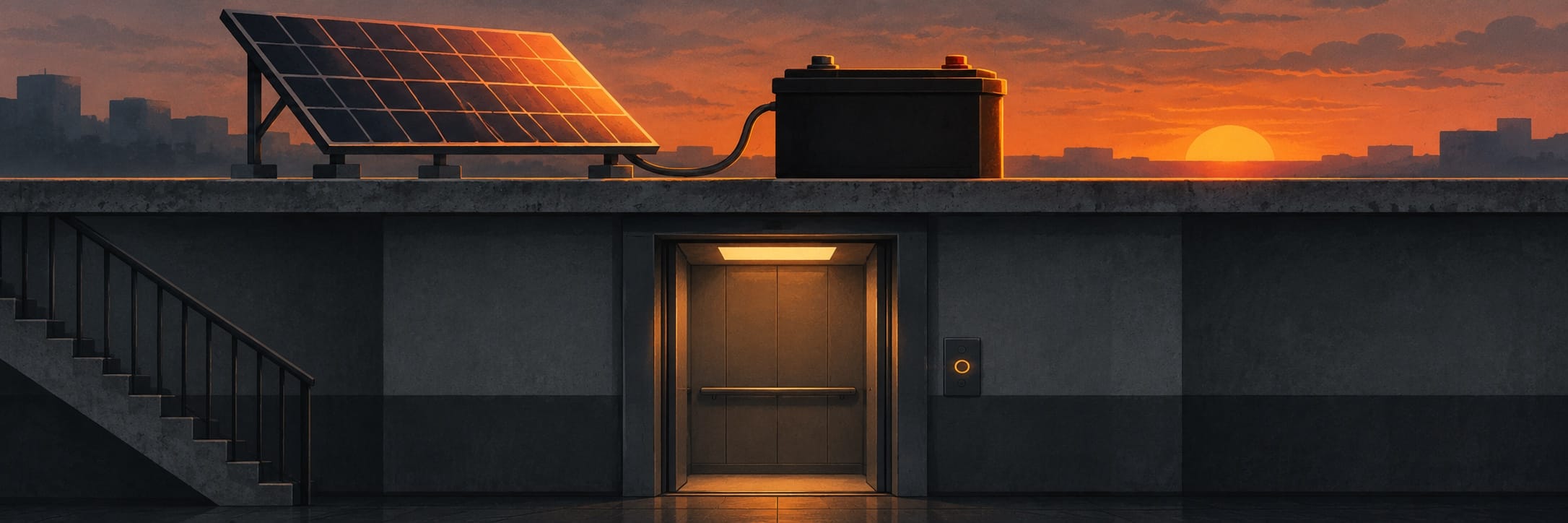
A rooftop stores sunlight while an open lift offers no passage to the fourth floor, in a brief poem about energy and unequal access.
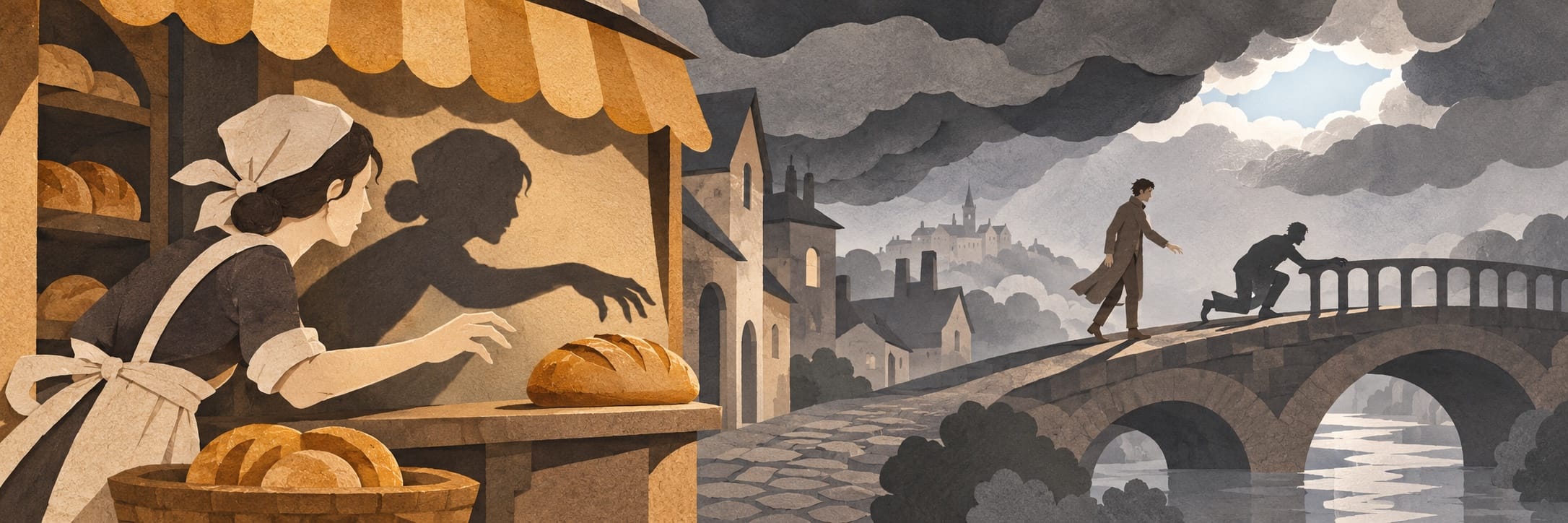
In a town where shadows act before their owners, a passing cloud gives an old woman and a boy a brief chance to choose a gesture themselves.

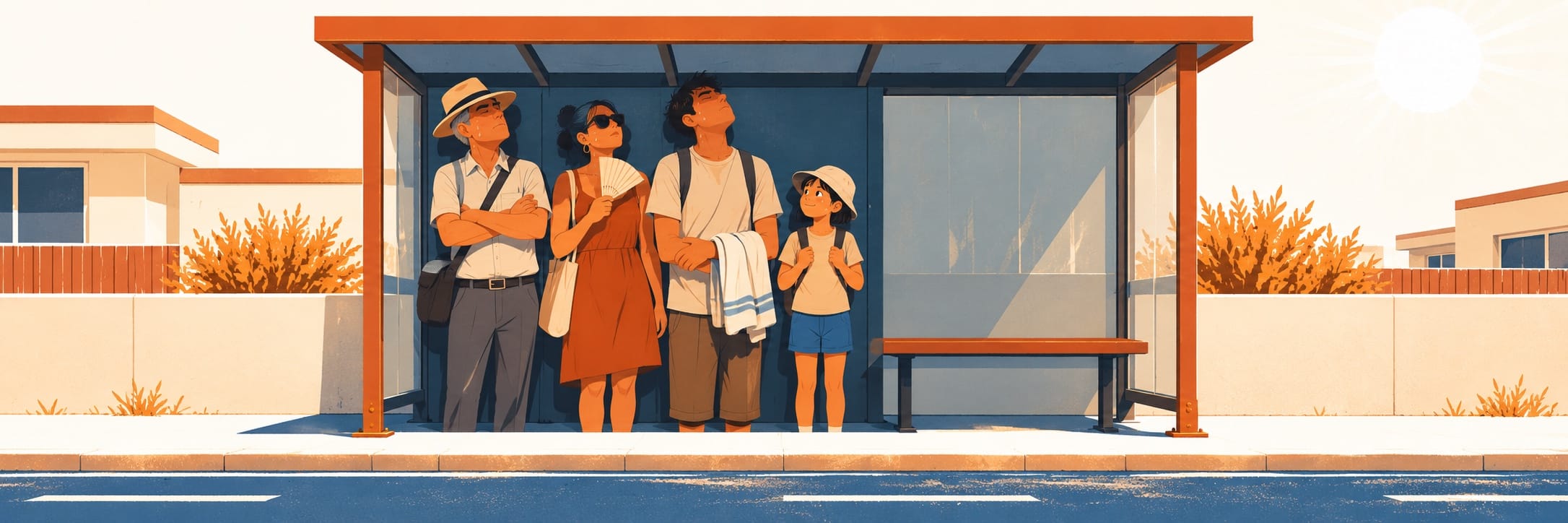
Bus passengers share the narrow shade behind a shelter during hotter summers, making room for a child before a sweltering bus arrives.
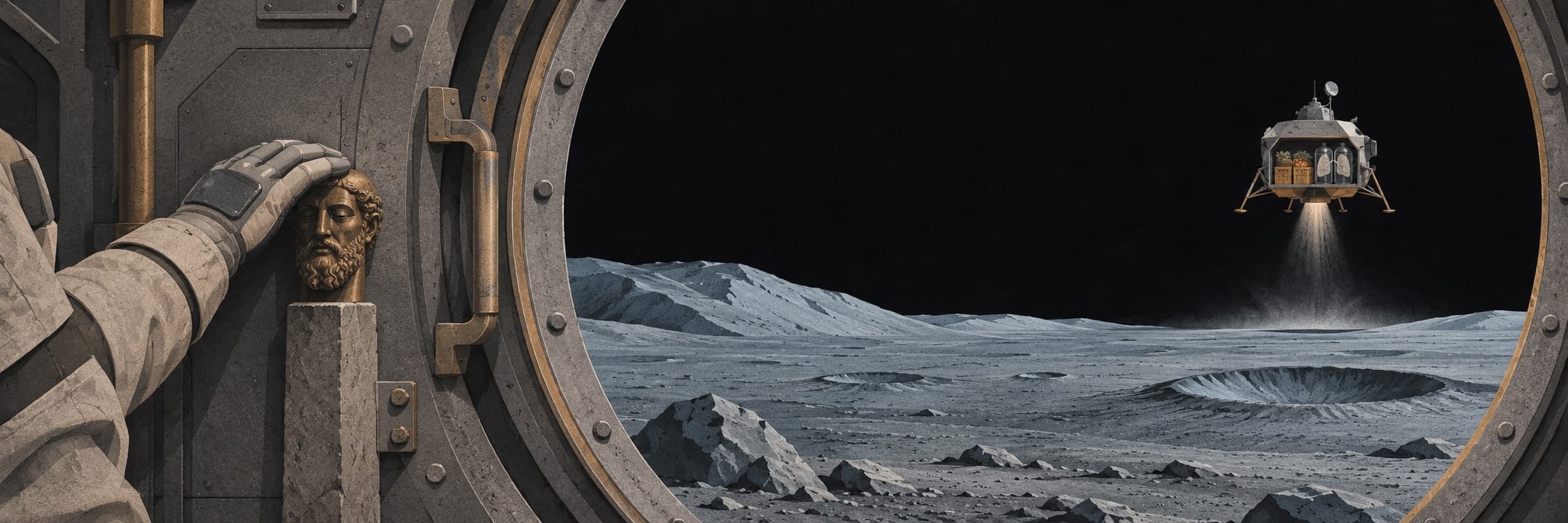
A spacecraft crew places a small herm beside an airlock, where Mara’s private gesture accompanies a lander’s departure and return.
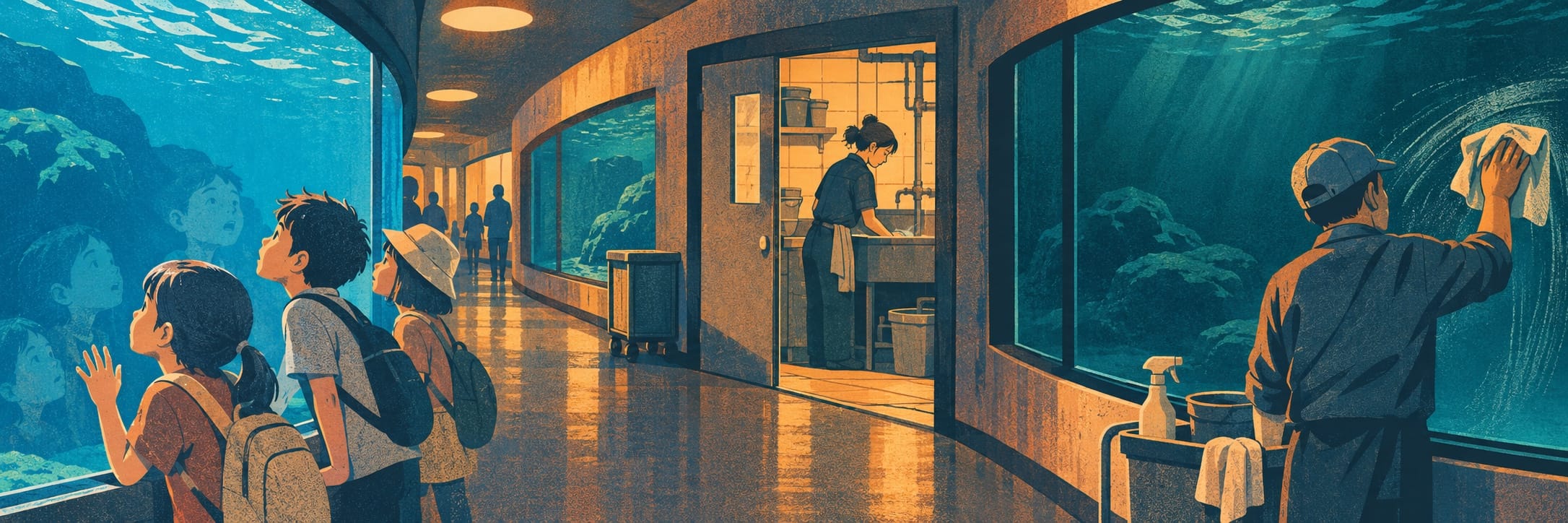
A linked sequence of 60 poems in three movements, tracing visitors, keepers and unseen lives through an aquarium’s public hours and the work after closing.
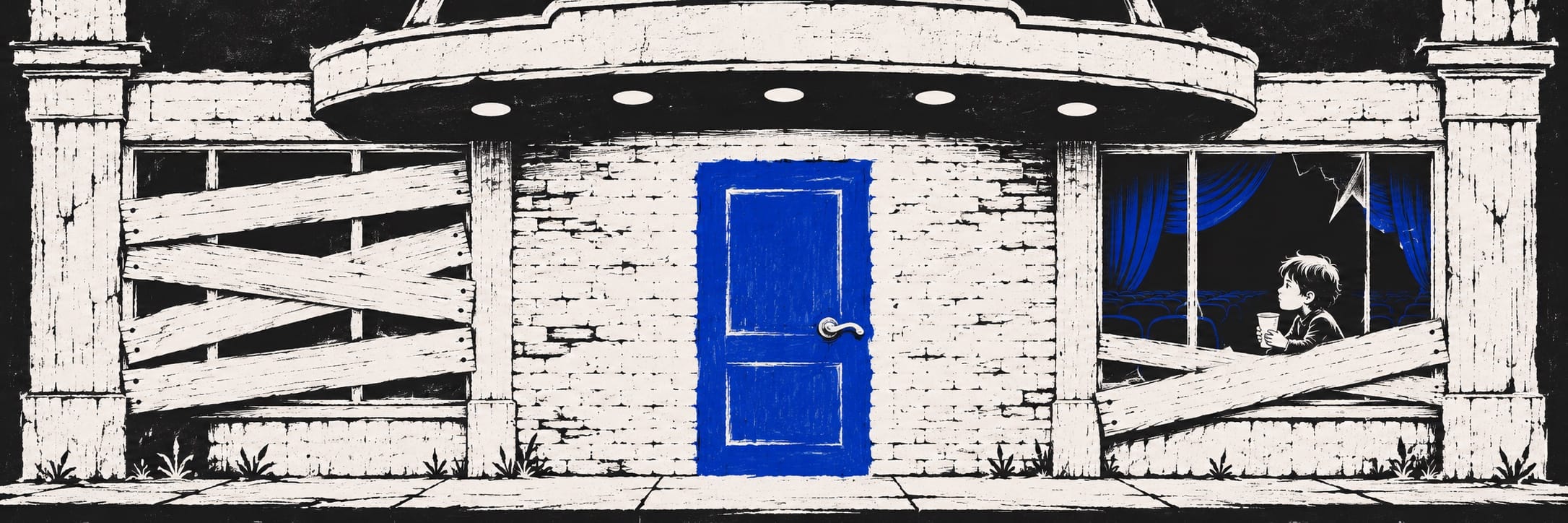
After a theatre is condemned, a painted door opens and children draw a new place to gather.
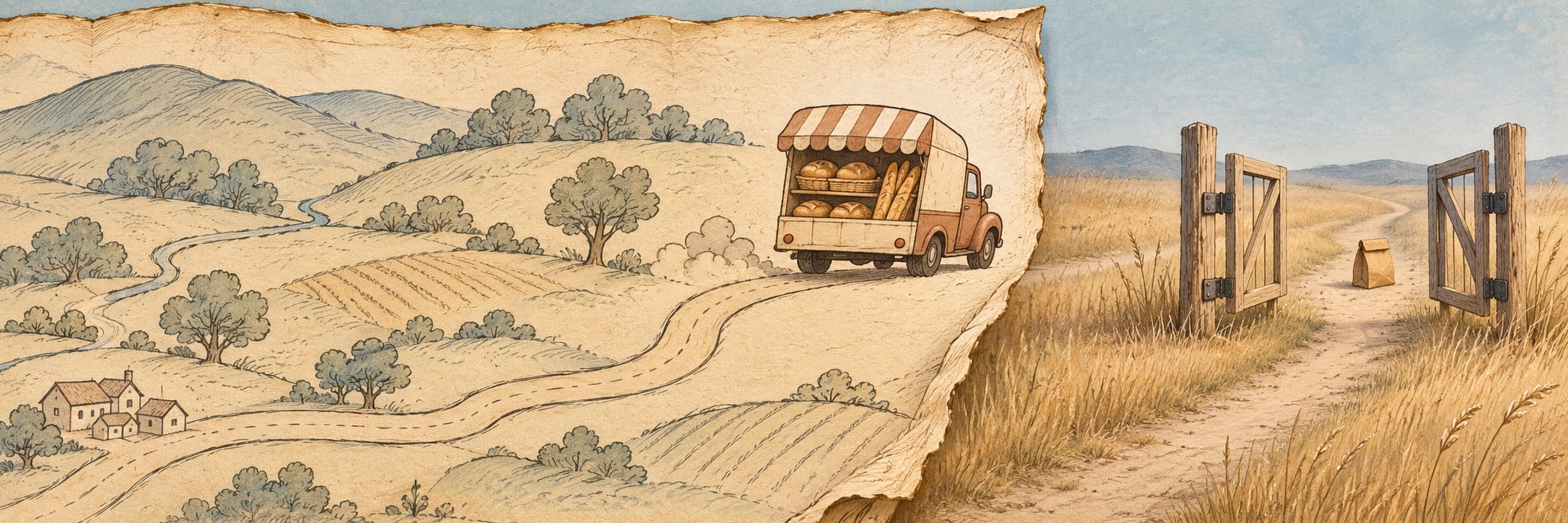
A map ends at a bakery truck’s turn, while a shortcut continues through an open gate.

A house inspection and a sound upstairs leave new occupants uneasy after they sign the papers.
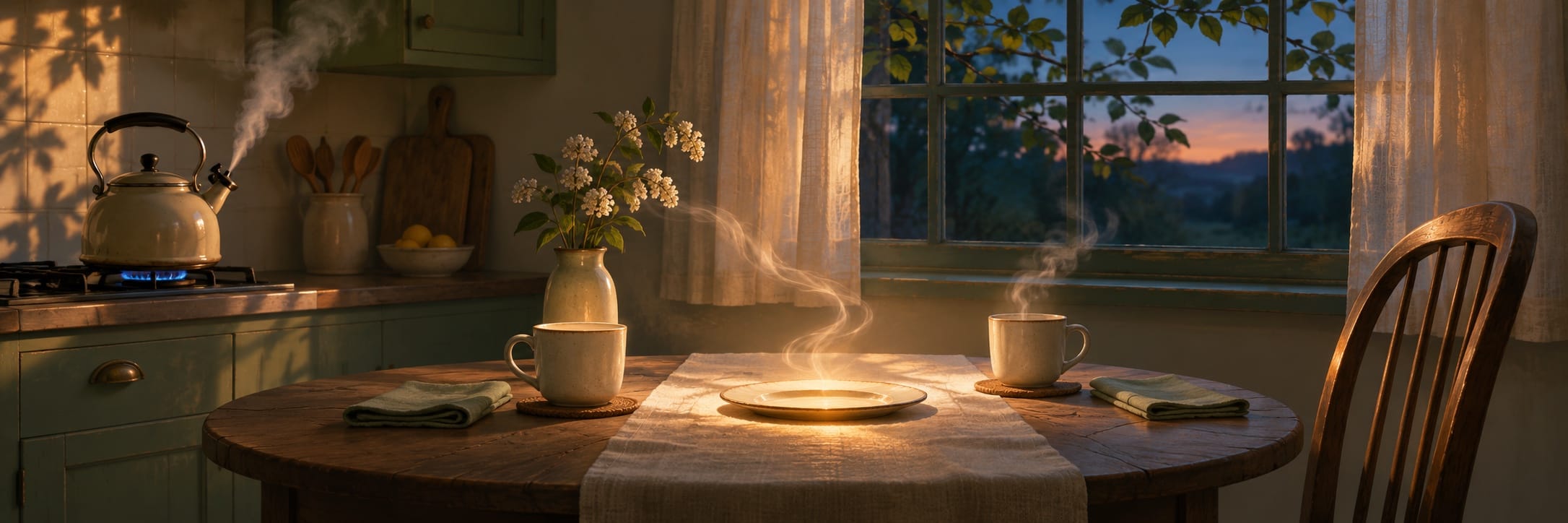
A kettle and two cups transform an empty kitchen into a place of imagined company.
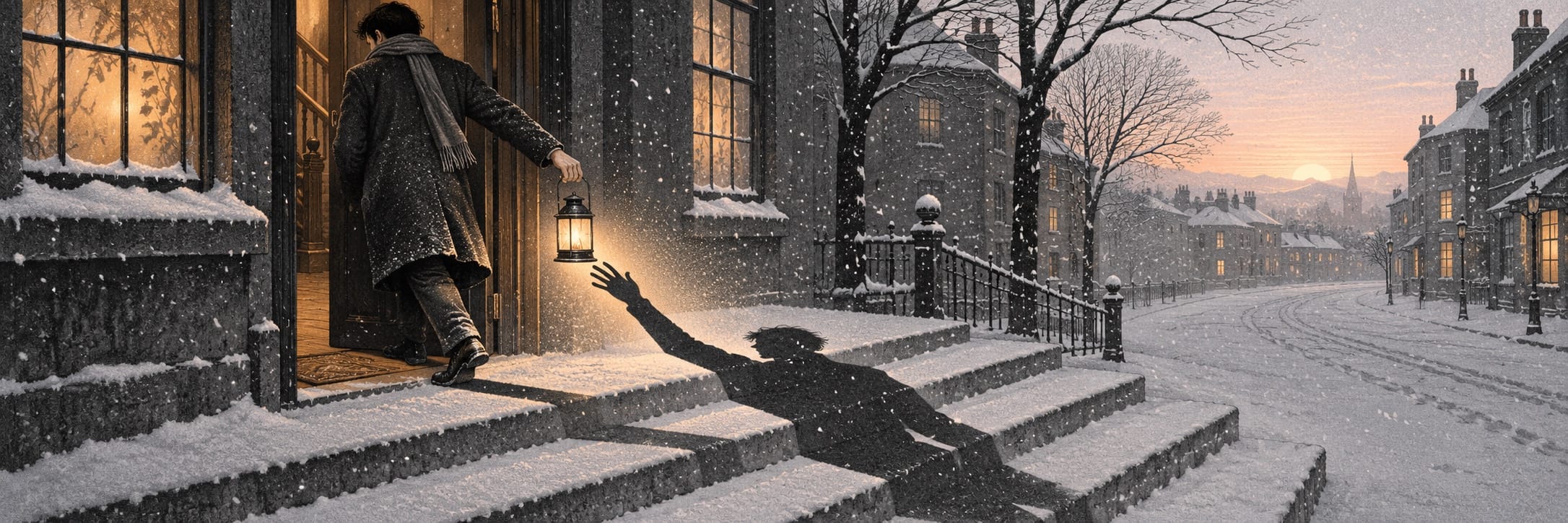
A town’s shared dream leaves a shadow in real snow, spreading through homes as its inhabitants wake.

A ship’s submersible receives echoes from above, until the sky answers a captain’s tap.
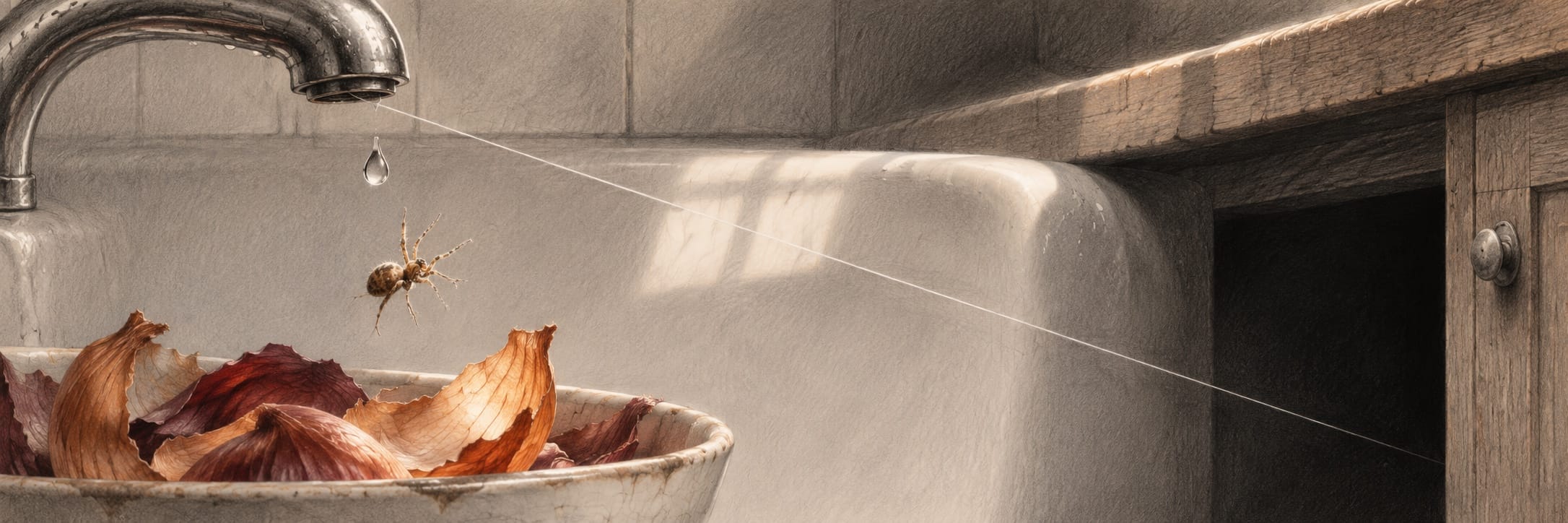
At a kitchen sink, a hand lifting a spider discovers its web is still attached to a struggling fly.
Two trees rub in the wind while rain, litter and a beetle collect in the fork between them.
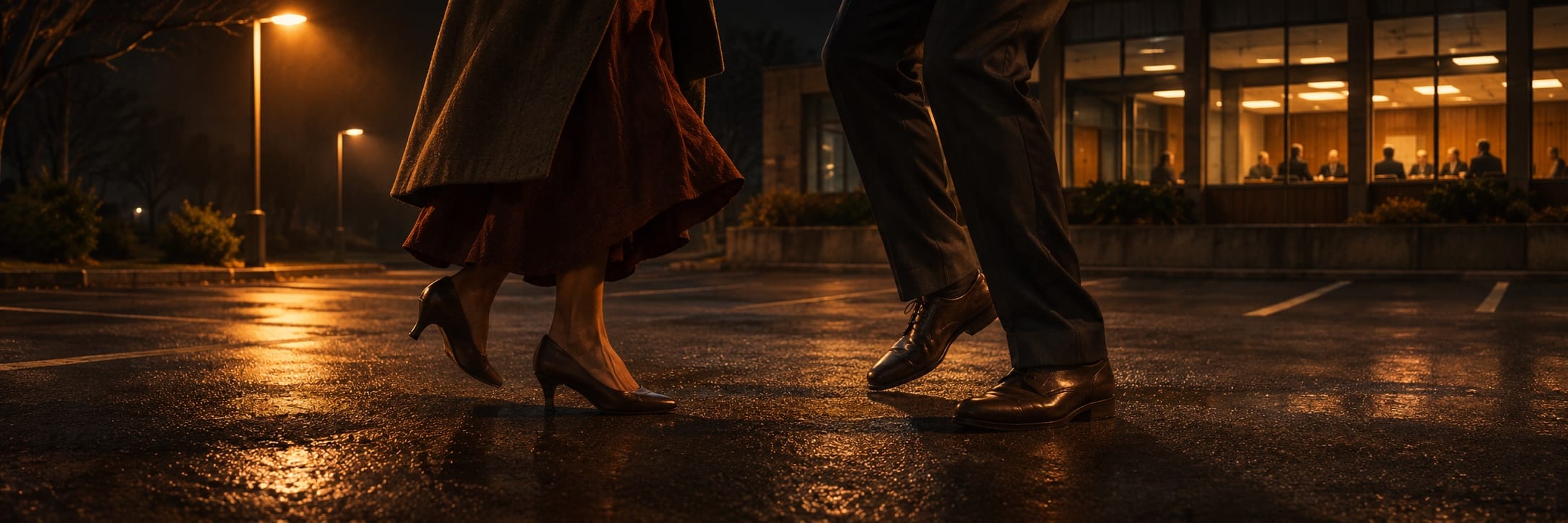
A woman refuses to endorse the room's false agreement; another answers, and their anger becomes a dance.
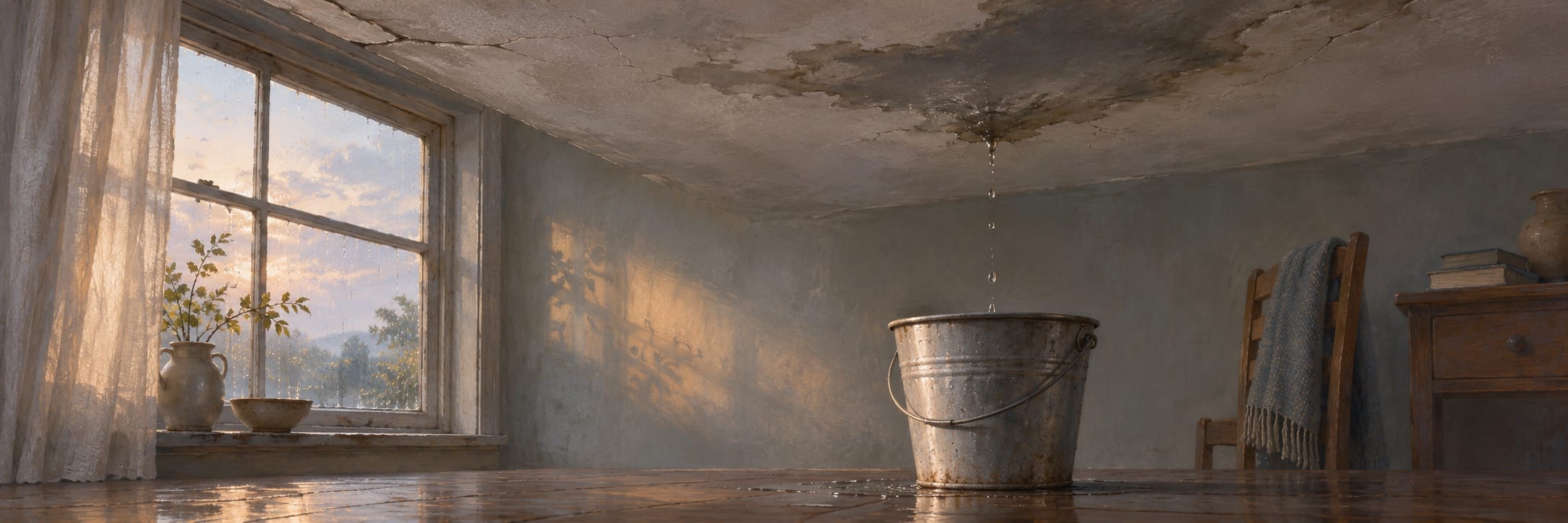
A short lyric on instructions for keeping a cloud.

A short lyric on the fear of small fires.
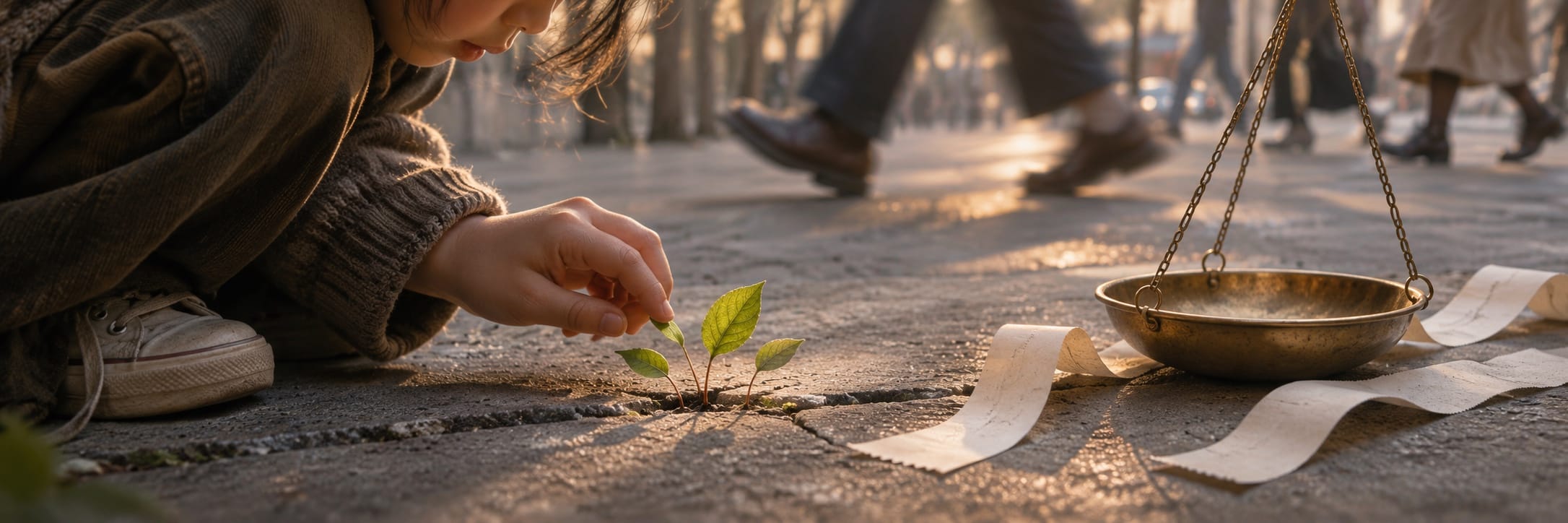
A short lyric on a shop that sold back time.
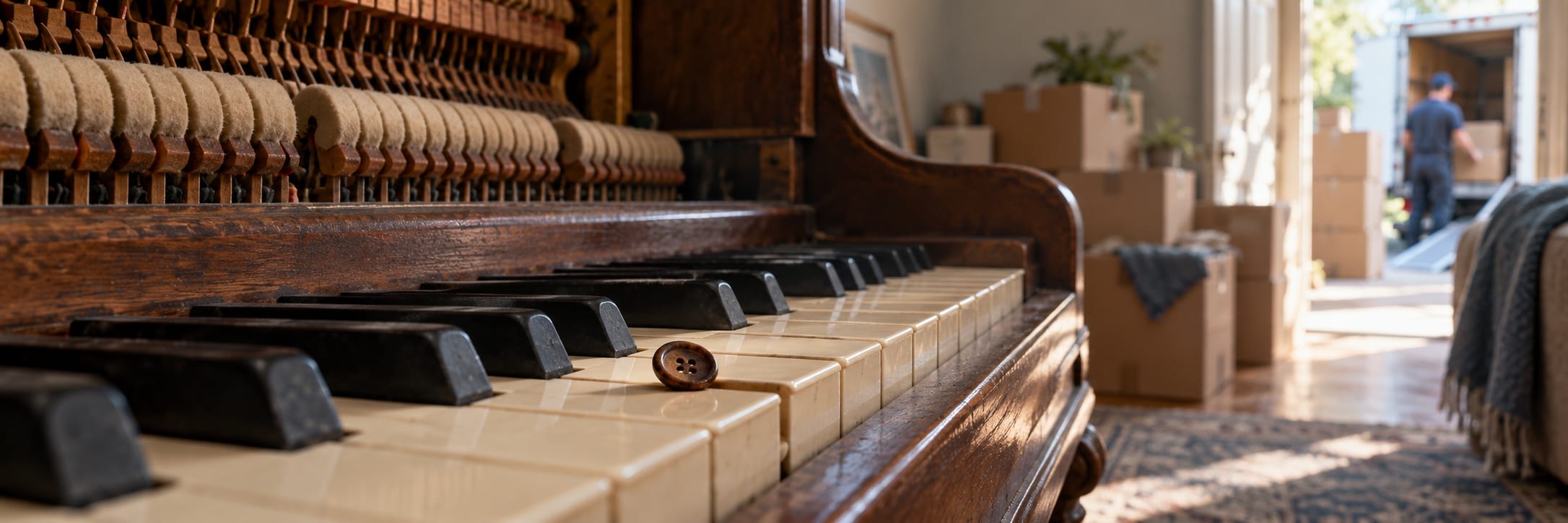
A pianist tries an unfinished tune while movers wait, with a cuff button carrying the weight of departure.

A snail finds a garden beer trap marked free house, samples its service and takes its business elsewhere.