
Loading poetry
Poetry
A space for poems, spoken pieces, and collections shaped by pressure, memory, fracture, and feeling.
Browse by collection, spoken work, theme, or recency.
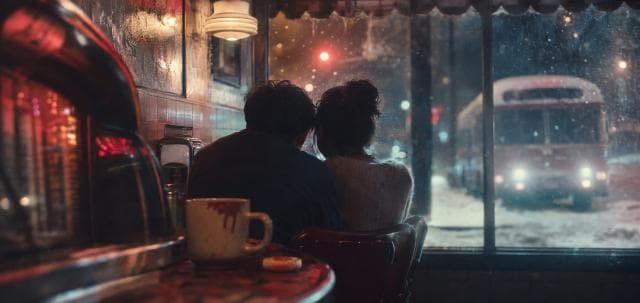
A resilient poem of missed buses, corner, and diner, charting self-possession and forward motion.

A resilient poem of corner, booth, and midnight, charting self-possession and forward motion.
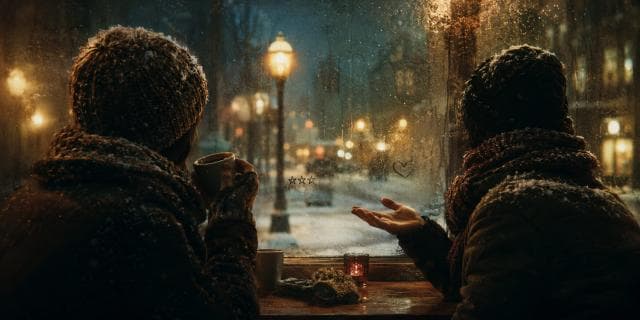
A resilient poem of streetlamps, pour, and honey, charting self-possession and forward motion.
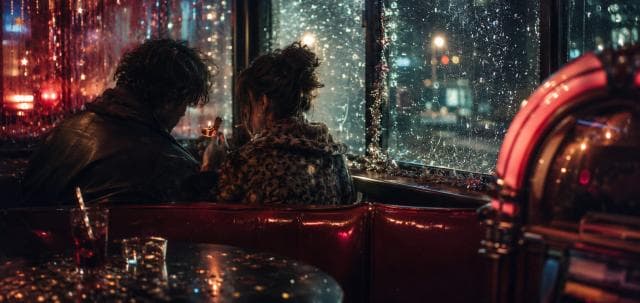
A resilient poem of corner, booth, and cheap, charting self-possession and forward motion.

A resilient poem of city streets, soda, and sparkle, charting self-possession and forward motion.

A resilient poem of missed buses, winter, and tap, charting self-possession and forward motion.
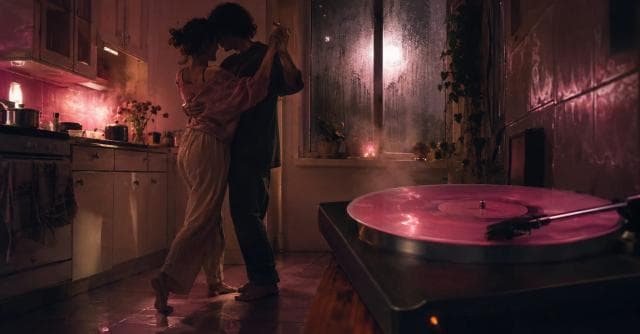
A resilient poem of spin, kitchen light, and bare, charting self-possession and forward motion.
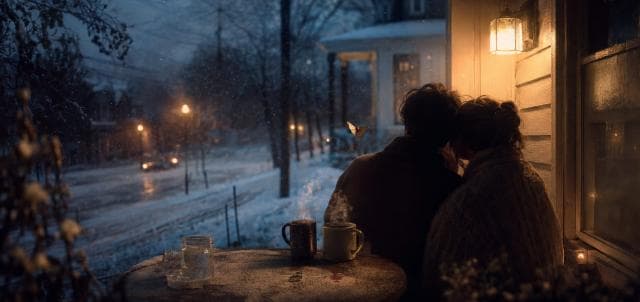
A resilient poem of porch, light, and winter, charting self-possession and forward motion.
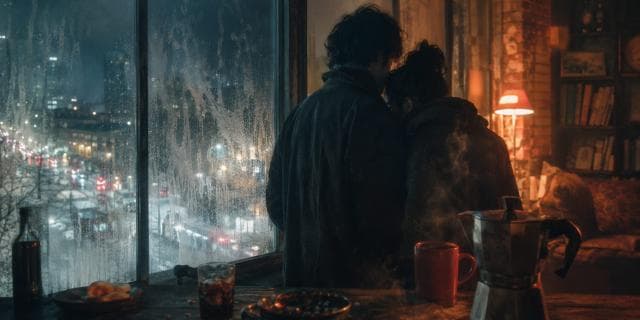
A resilient poem of bite, peach, and ring, charting self-possession and forward motion.
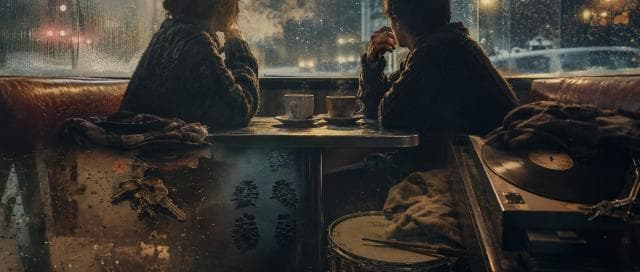
A reflective poem of corner, booth, and winter, exploring change, memory and inner weather.
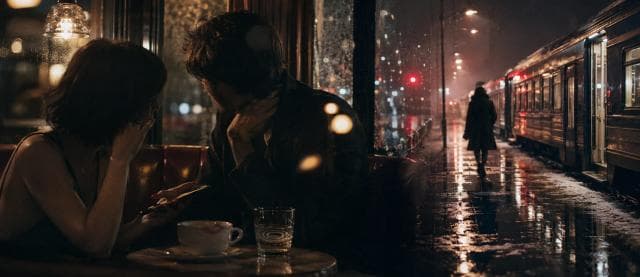
A resilient poem of train, streetlight, and honey, charting self-possession and forward motion.

A resilient poem of title, lands, and wink, charting self-possession and forward motion.
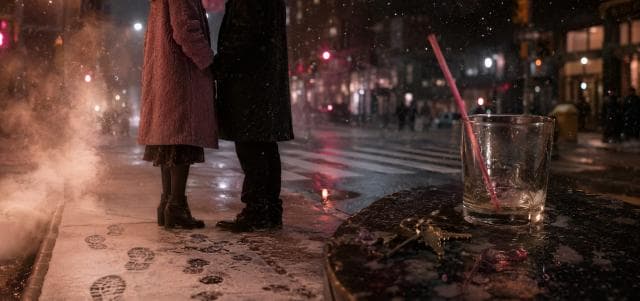
A resilient poem of sidewalk, steam, and kisses, charting self-possession and forward motion.

A resilient poem of missed buses, window, and diamonds, charting self-possession and forward motion.

A resilient poem of red wash, sign, and midnight, charting self-possession and forward motion.
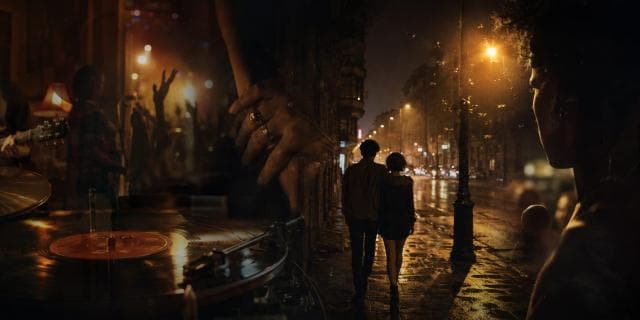
A resilient poem of sugar, gloss, and slow, charting self-possession and forward motion.
Poetry themes
Each stream gathers poems by mood, music, pressure, and the kind of attention the piece asks for.
Poems that walk the fault lines: grief, rupture, war, urban grit, and the mythic underbelly of the everyday. Expect charged images, stark music, and hard turns that don’t tidy the mess so much as name it.
Editor’s picks and special spotlights: the poems, sequences, and craft notes we think deserve your front-row gaze. Rotating highlights, seasonal themes, and one-off gems that show the range of our community.
Poems grouped by this theme.
Where verse meets melody. Poems arranged as songs, chants, and soundscapes—complete with audio players, lyric sheets, and credits for collaborators. Expect live takes, studio mixes, and experiments that let the poem sing in new registers.
Field notes of the inner and outer world: weather, seasons, land, and the quiet revolutions of thought. Lyrical attention, ecological awareness, and a contemplative pace define this stream.
Wit with teeth. Irony, parody, and mischief aimed at power, pretence, and the status quo. Formal play and punchy line breaks welcome; the laugh should leave a bruise.
Work of resilience and renewal: poems about survival, kinship, faith (in any form), and the long arc of becoming. Clear cadence, steady light, and endings that open rather than preach.
Dream-logic, fabulism, and mythic visitations. Reality bends, symbols speak, and images carry more than one meaning. The goal is wonder and unease in equal measure.
Poetry in isiZulu, alongside careful translations where offered. A home for imagery, izibongo (praise poetry), and contemporary voices that carry rhythm and story. Submissions may appear bilingual to welcome wider readers.
65 entries across poetry.
23 entries across poetry.
1 entries across poetry.
1 entries across poetry.
2 entries across poetry.
1 entries across poetry.
Poetry began here as play with words, fragments, and unlikely connections. Over time it became a record of feeling, then a way of making sense without forcing neat explanations too early.
Some pieces are more instinctive. Some are more controlled. None of them are interested in pretending the human experience arrives tidy.
These poems are not written to hand over a single fixed meaning. They are written to hold image, pressure, contradiction, and the parts of experience that resist summary.
Read them slowly or read them in a rush. Read them in sequence if you want to notice how the voice shifts over time. Read them out of order if you want the cleaner shock of recognition.
If a poem leaves you with a clearer feeling rather than a cleaner answer, it has done its job.
Some poems also live in voice.
Where a spoken version exists, it should feel like an extension of the page rather than a separate performance layer. The voice is there to carry the pressure of the line, not distract from it.
Collections gather poems by atmosphere, season, pressure, or recurring thread.
Enter a collection when you want a more sustained mood than the main archive offers, or when you want to stay with a particular register a little longer.