
Loading poetry
Poetry
A space for poems, spoken pieces, and collections shaped by pressure, memory, fracture, and feeling.
Poetry categories
Each stream gathers poems by mood, music, pressure, and the kind of attention the piece asks for.
Poems that walk the fault lines: grief, rupture, war, urban grit, and the mythic underbelly of the everyday. Expect charged images, stark music, and hard turns that don’t tidy the mess so much as name it.
Editor’s picks and special spotlights: the poems, sequences, and craft notes we think deserve your front-row gaze. Rotating highlights, seasonal themes, and one-off gems that show the range of our community.
Where verse meets melody. Poems arranged as songs, chants, and soundscapes—complete with audio players, lyric sheets, and credits for collaborators. Expect live takes, studio mixes, and experiments that let the poem sing in new registers.
Field notes of the inner and outer world: weather, seasons, land, and the quiet revolutions of thought. Lyrical attention, ecological awareness, and a contemplative pace define this stream.
Wit with teeth. Irony, parody, and mischief aimed at power, pretence, and the status quo. Formal play and punchy line breaks welcome; the laugh should leave a bruise.
Poems in which a single speaker thinks aloud under pressure. A live occasion, listener, silence or repeated phrase lets the voice turn through argument, memory or self-recognition; meaning emerges through the act of speaking.
Work of resilience and renewal: poems about survival, kinship, faith (in any form), and the long arc of becoming. Clear cadence, steady light, and endings that open rather than preach.
Dream-logic, fabulism, and mythic visitations. Reality bends, symbols speak, and images carry more than one meaning. The goal is wonder and unease in equal measure.
Poetry in isiZulu, alongside careful translations where offered. A home for imagery, izibongo (praise poetry), and contemporary voices that carry rhythm and story. Submissions may appear bilingual to welcome wider readers.
71 entries across poetry.
44 entries across poetry.
94 entries across poetry.
261 entries across poetry.
29 entries across poetry.
126 entries across poetry.
Poetry began here as play with words, fragments, and unlikely connections. Over time it became a record of feeling, then a way of making sense without forcing neat explanations too early.
Some pieces are more instinctive. Some are more controlled. None of them are interested in pretending the human experience arrives tidy.
These poems are not written to hand over a single fixed meaning. They are written to hold image, pressure, contradiction, and the parts of experience that resist summary.
Read them slowly or read them in a rush. Read them in sequence if you want to notice how the voice shifts over time. Read them out of order if you want the cleaner shock of recognition.
If a poem leaves you with a clearer feeling rather than a cleaner answer, it has done its job.
Some poems also live in voice.
Where a spoken version exists, it should feel like an extension of the page rather than a separate performance layer. The voice is there to carry the pressure of the line, not distract from it.
Collections gather poems by atmosphere, season, pressure, or recurring thread.
Enter a collection when you want a more sustained mood than the main archive offers, or when you want to stay with a particular register a little longer.
Field notes of the inner and outer world: weather, seasons, land, and the quiet revolutions of thought. Lyrical attention, ecological awareness, and a contemplative pace define this stream.
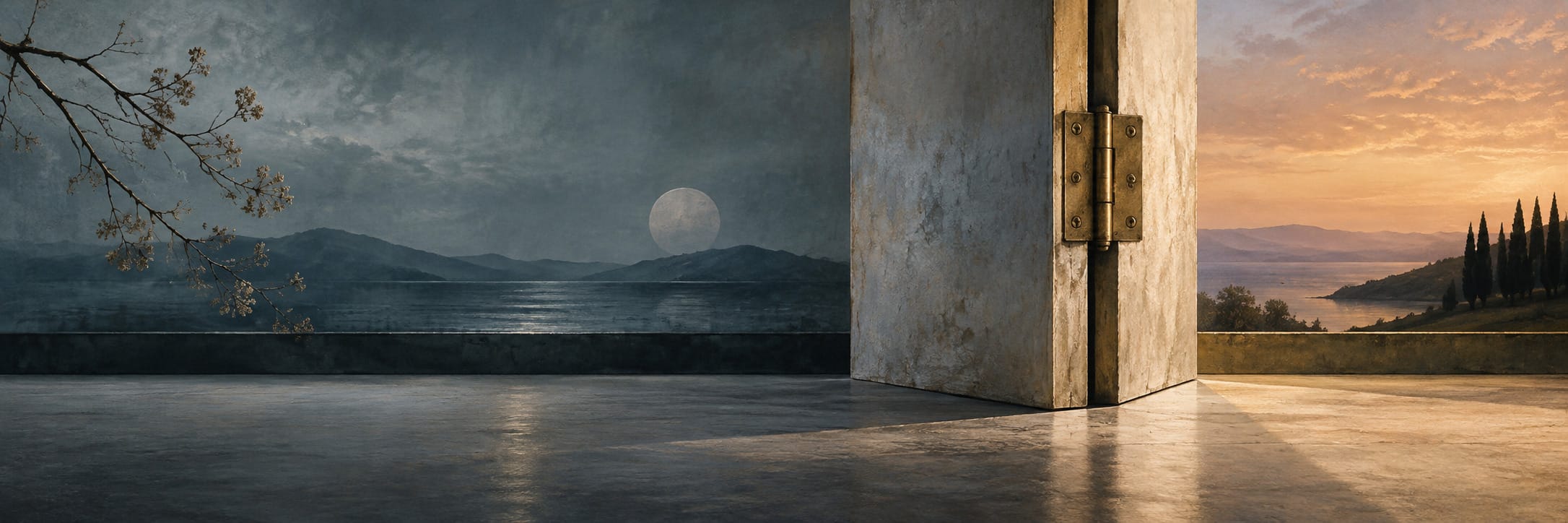
A contemporary poem about the hinge changes the address, using a concrete image system, a pressured turn and a restrained open ending.
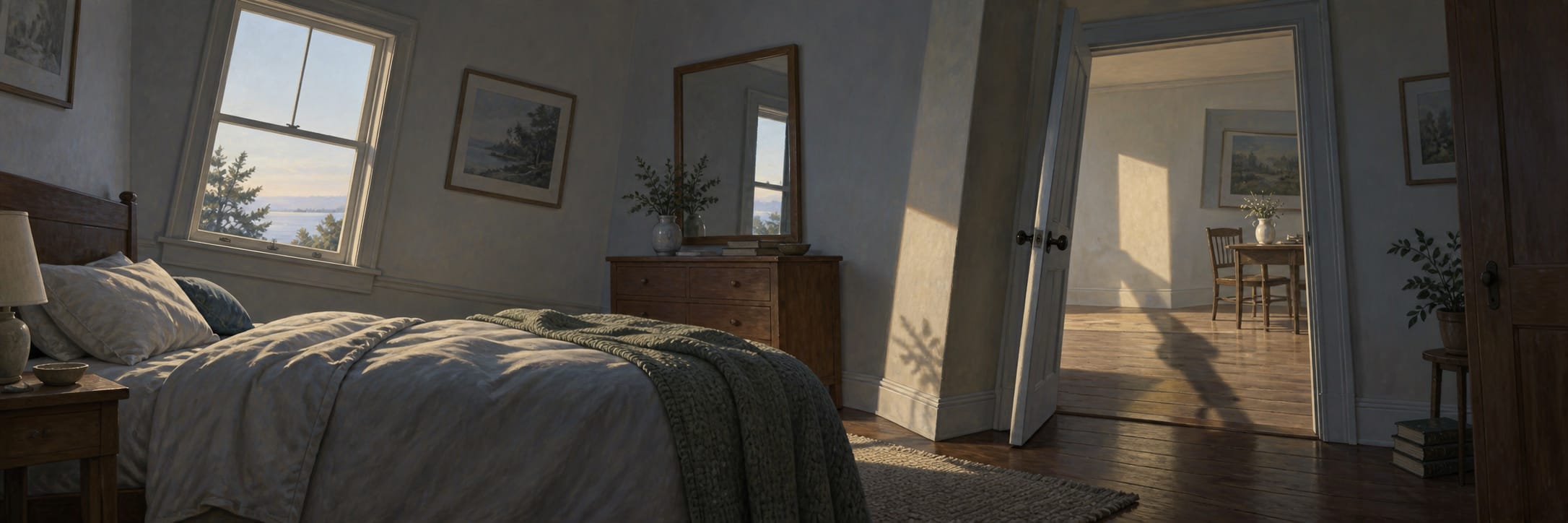
A contemporary poem about the house turns one degree, using a concrete image system, a pressured turn and a restrained open ending.
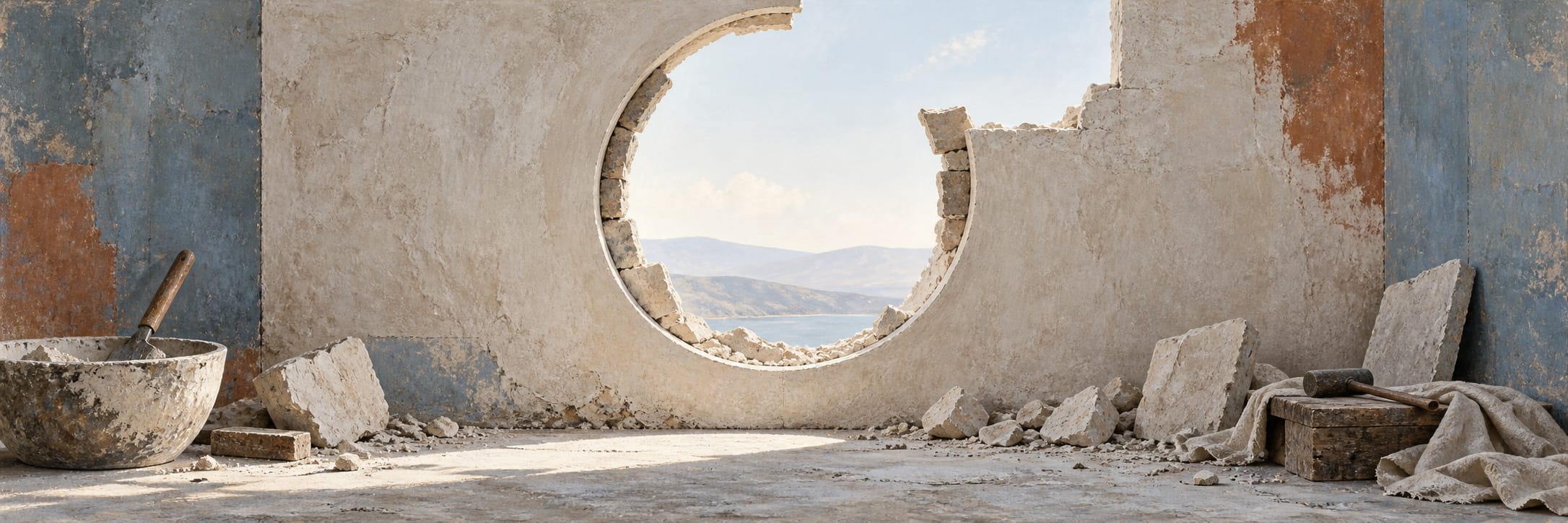
An unfinished centre becomes a place of ongoing attention rather than a defect needing closure.
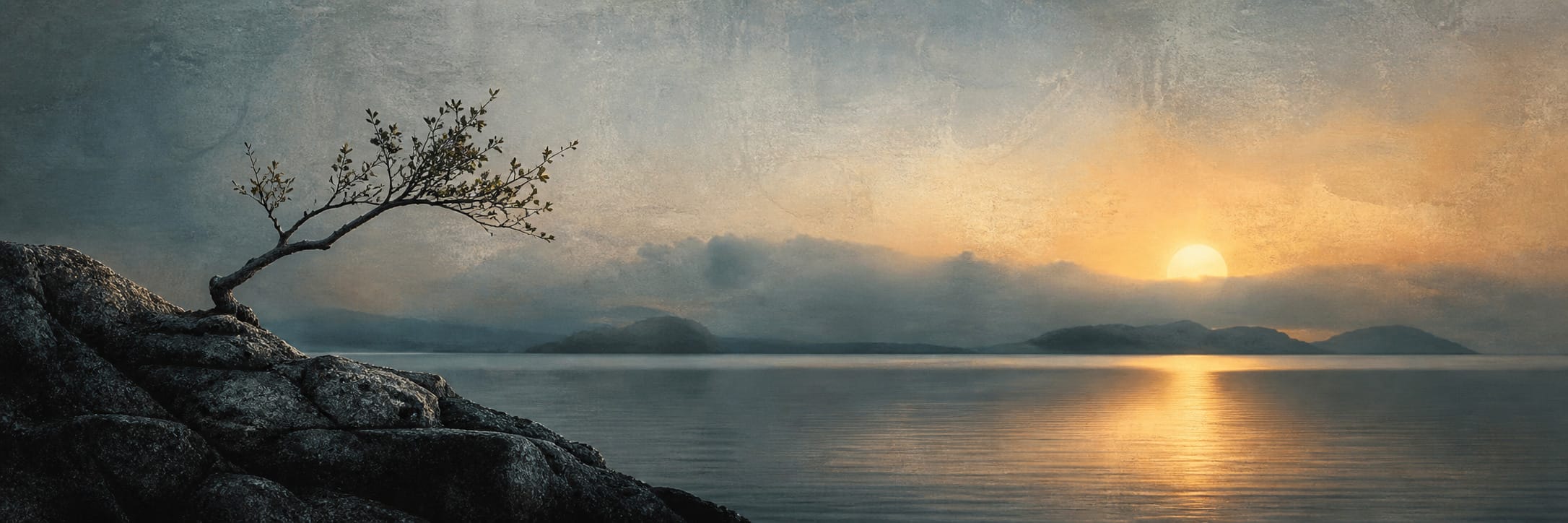
A contemporary poem about a crooked entrance, using a concrete image system, a pressured turn and a restrained open ending.
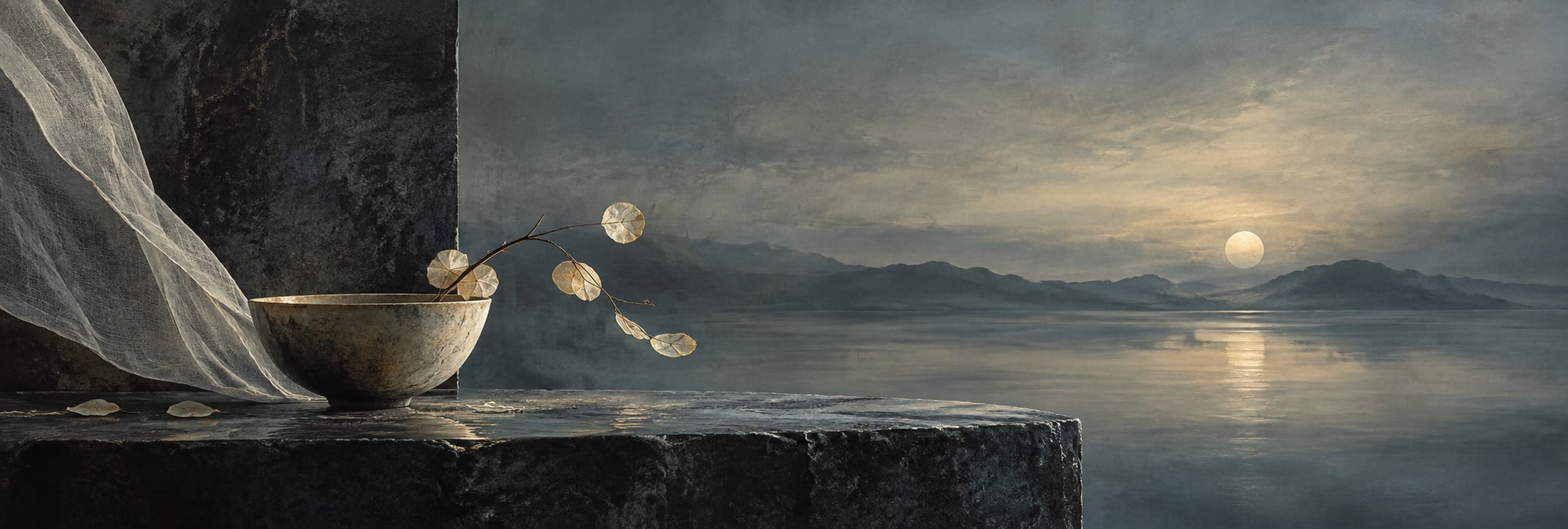
A contemporary poem about a measure of the unfamiliar, using a concrete image system, a pressured turn and a restrained open ending.
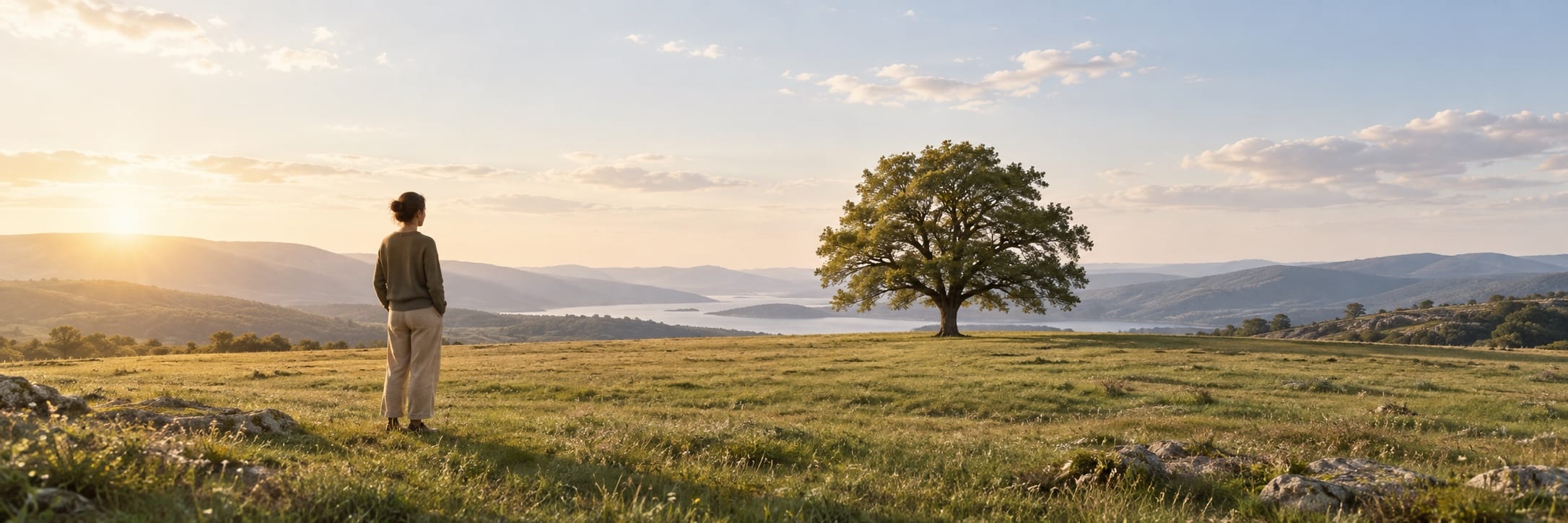
The field cannot be reduced to symbol or message; its refusal of interpretation becomes a form of truth.
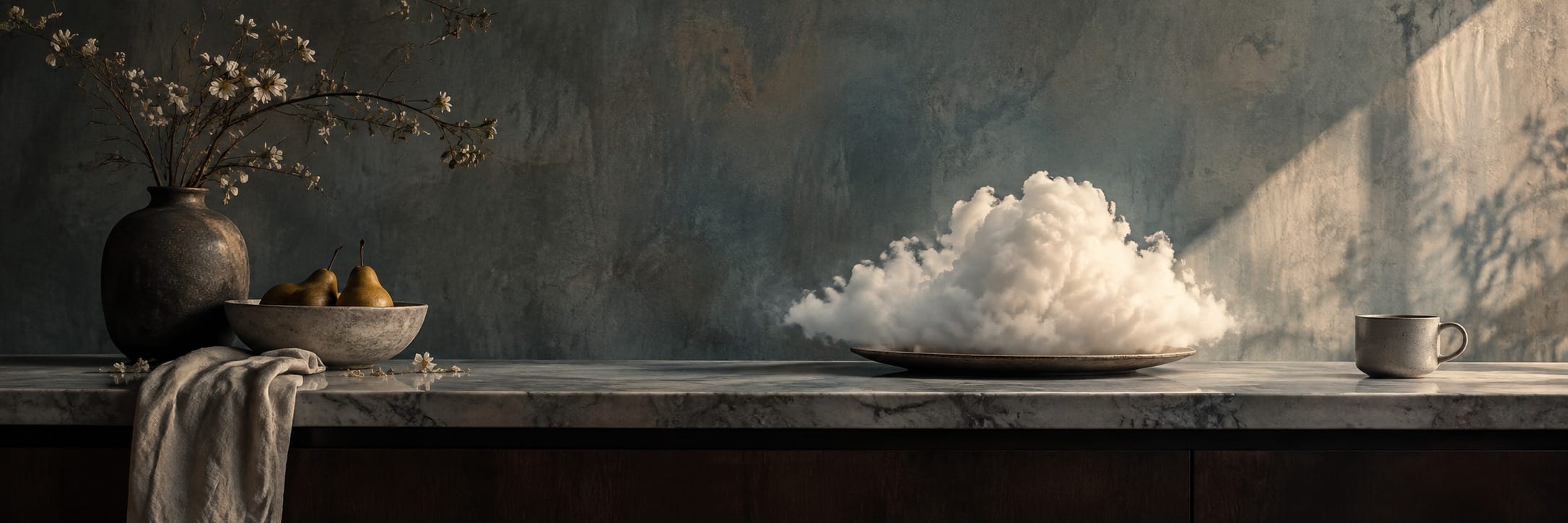
A contemporary poem about the impossible on the counter, using a concrete image system, a pressured turn and a restrained open ending.
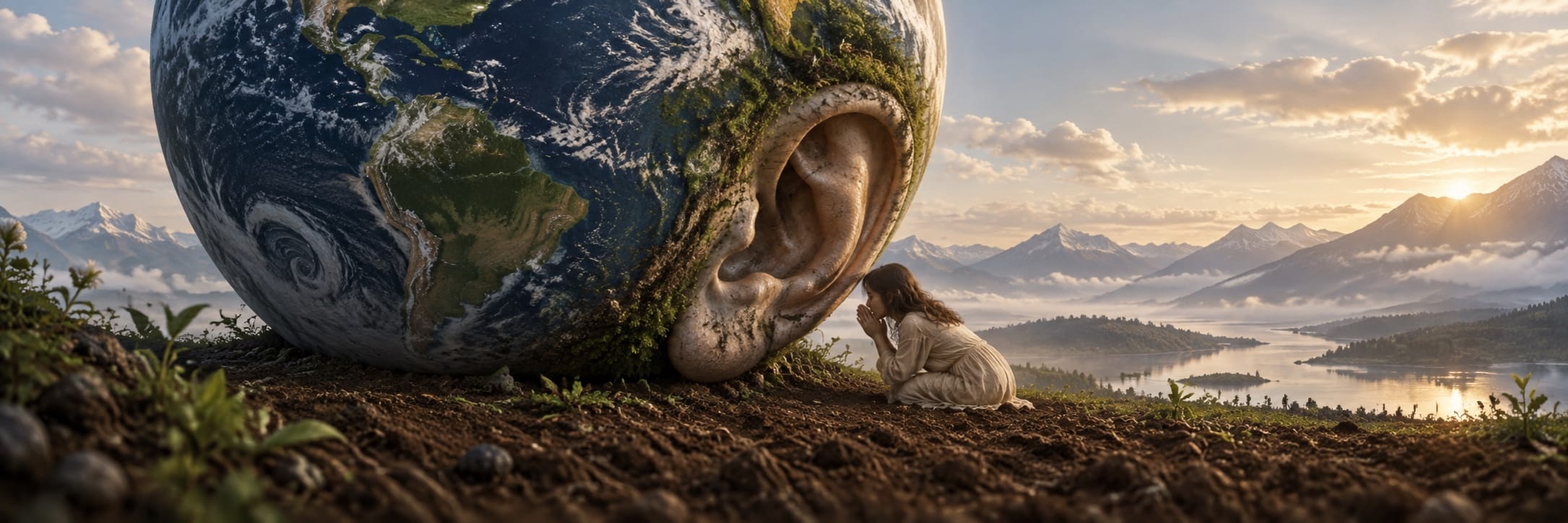
A planet becomes an attentive presence, and the speaker learns that silence can be received rather than solved.
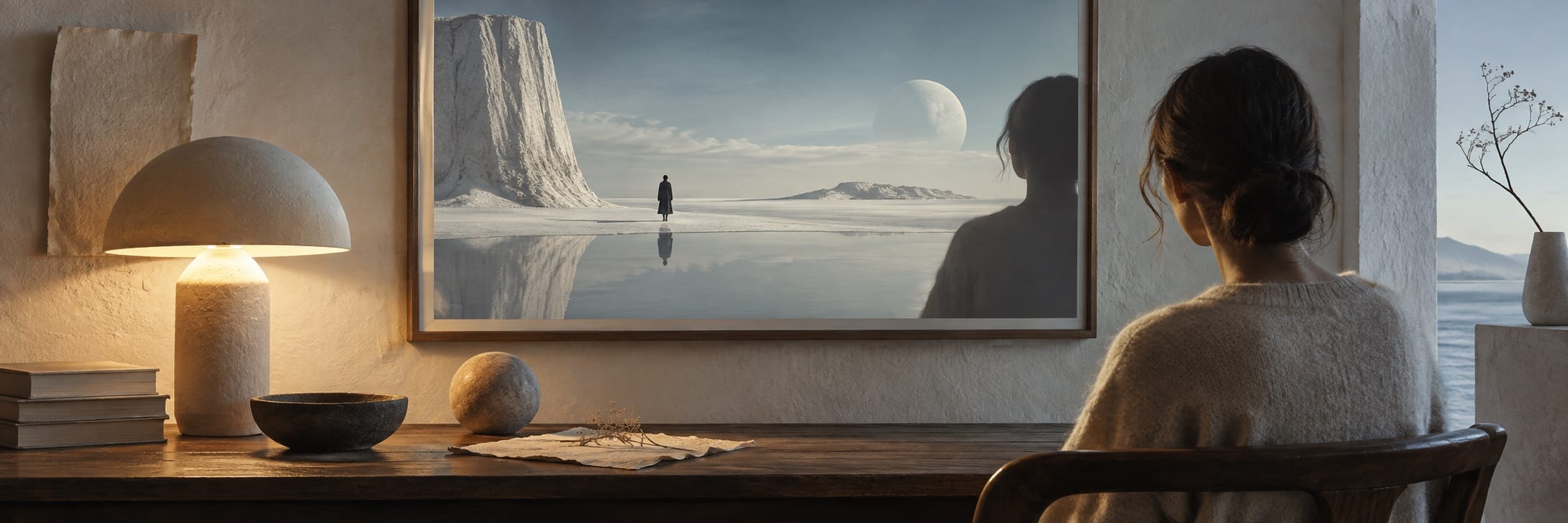
A contemporary poem about the picture moves me, using a concrete image system, a pressured turn and a restrained open ending.
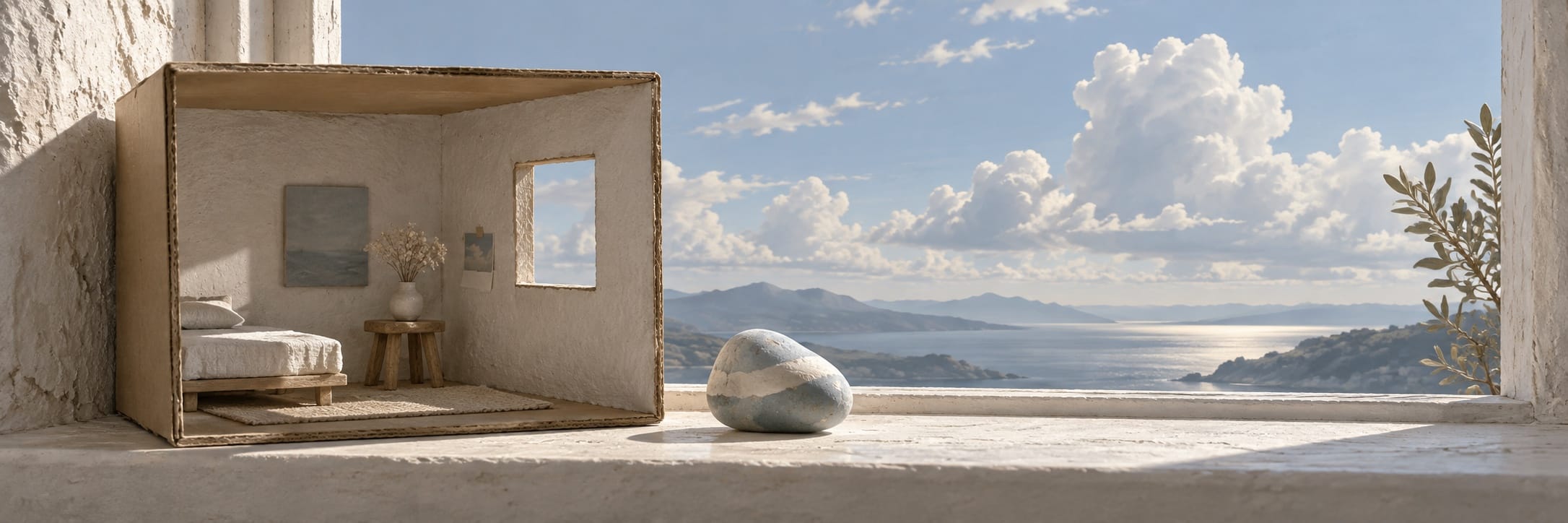
A contemporary poem about the unassigned object, using a concrete image system, a pressured turn and a restrained open ending.

A contemporary poem about the useful edge of wonder, using a concrete image system, a pressured turn and a restrained open ending.
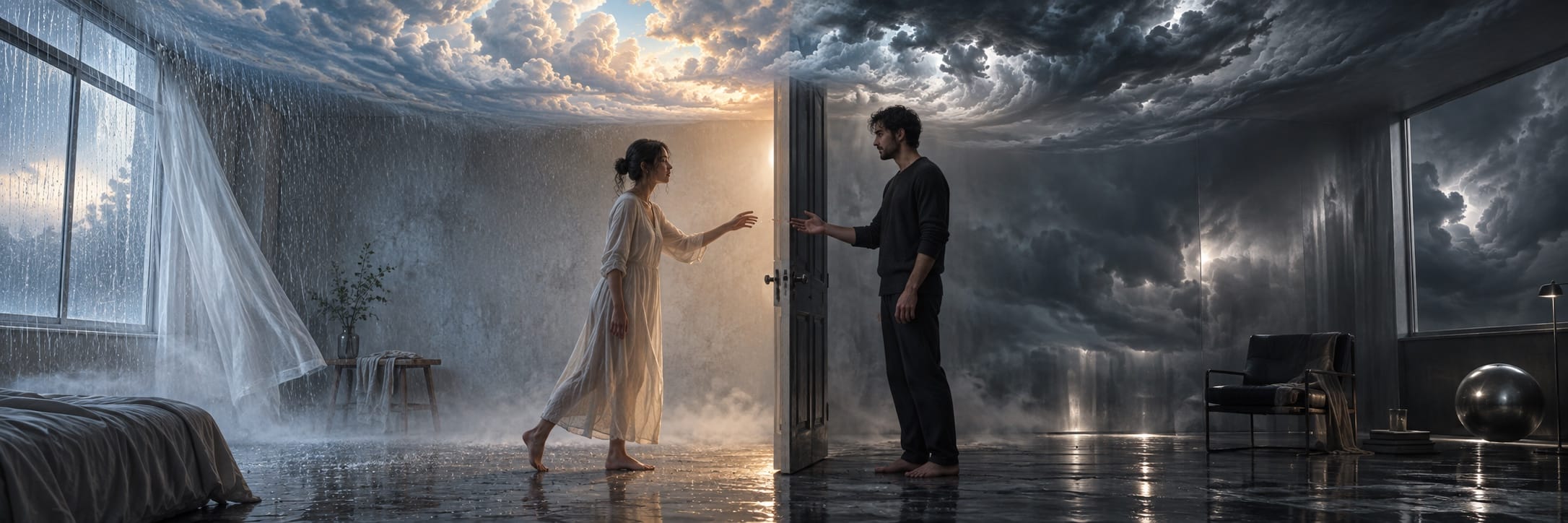
A contemporary poem about two weather systems, using a concrete image system, a pressured turn and a restrained open ending.
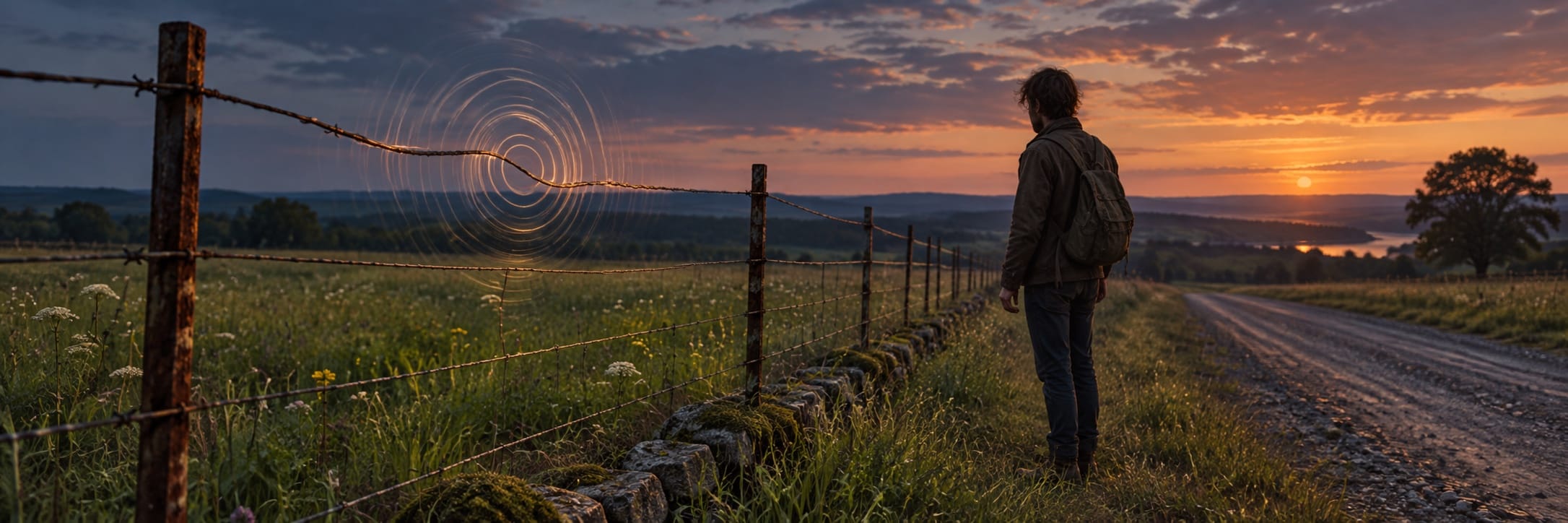
A contemporary poem about a pulse across the field, using a concrete image system, a pressured turn and a restrained open ending.
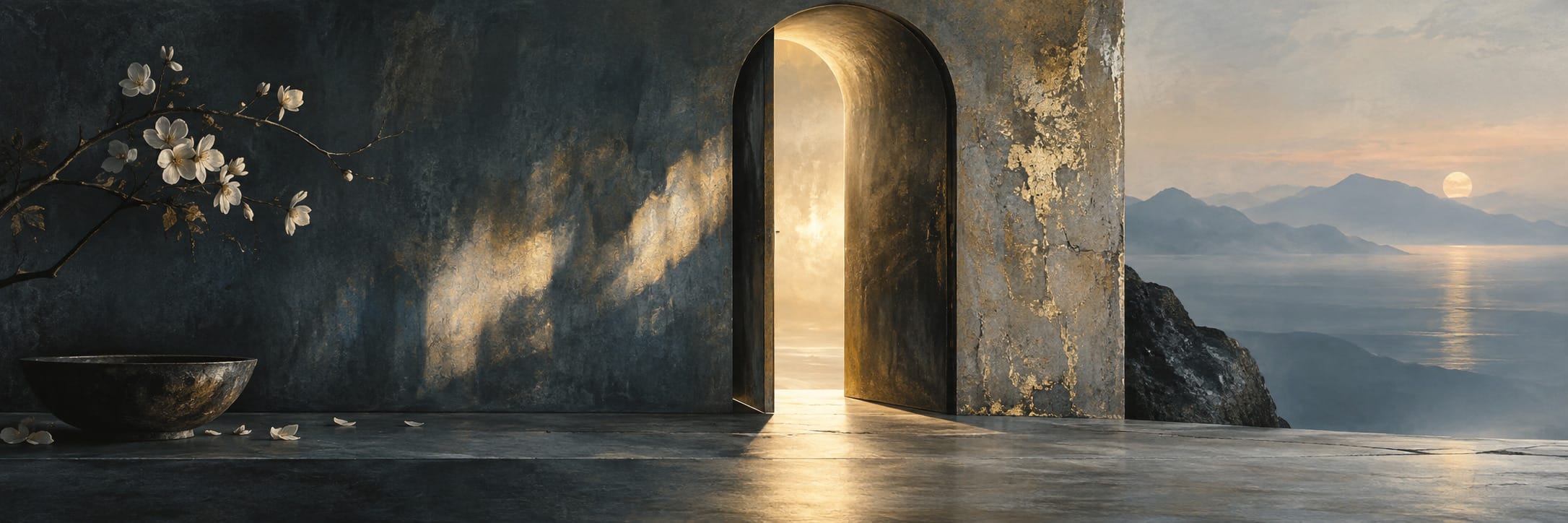
A contemporary poem about the doorway has a pulse, using a concrete image system, a pressured turn and a restrained open ending.
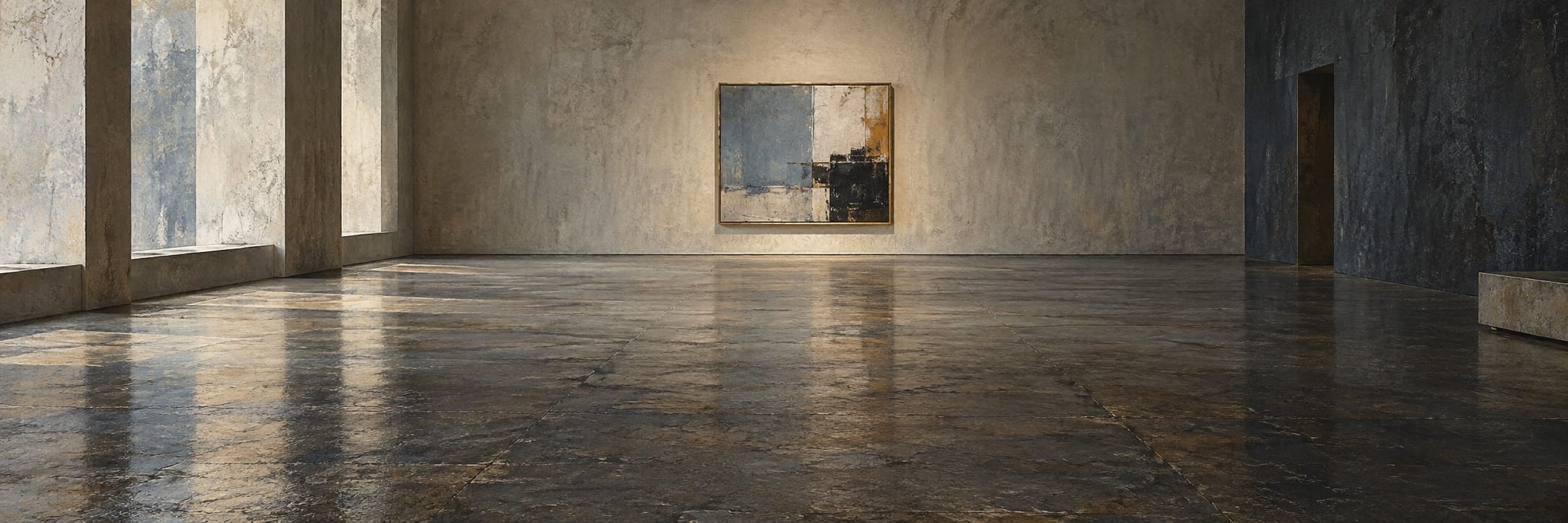
Distance protects the image from possession and protects the speaker from a false intimacy.
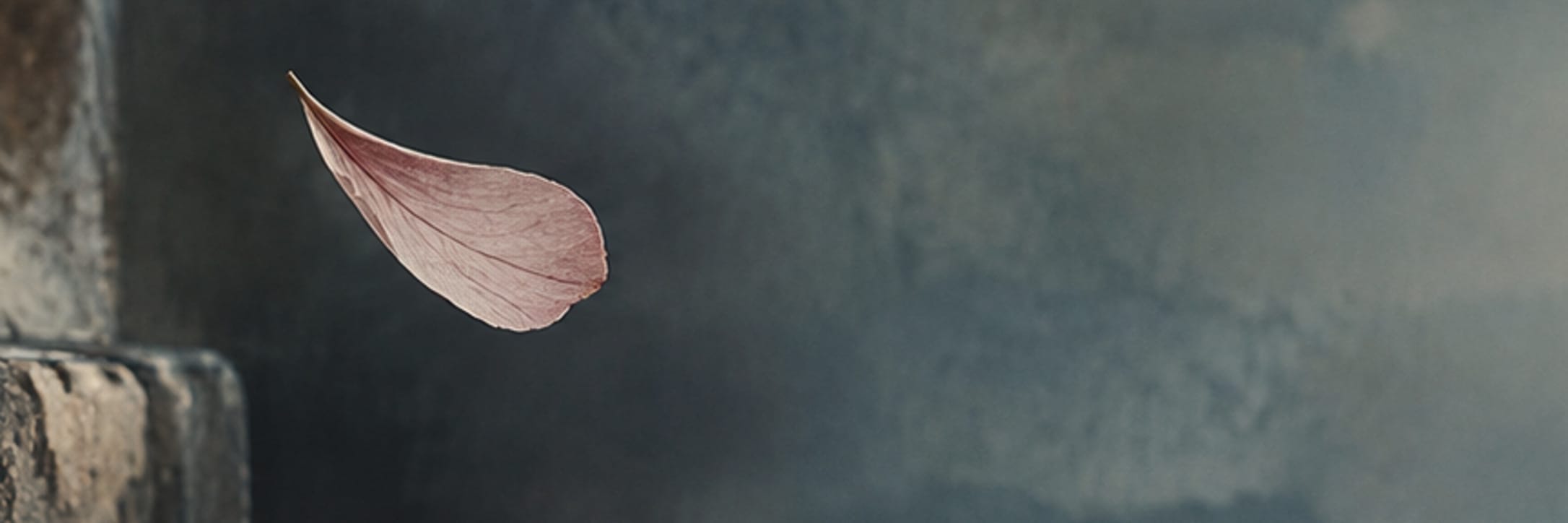
A contemporary poem about the petal leaves a question, using a concrete image system, a pressured turn and a restrained open ending.
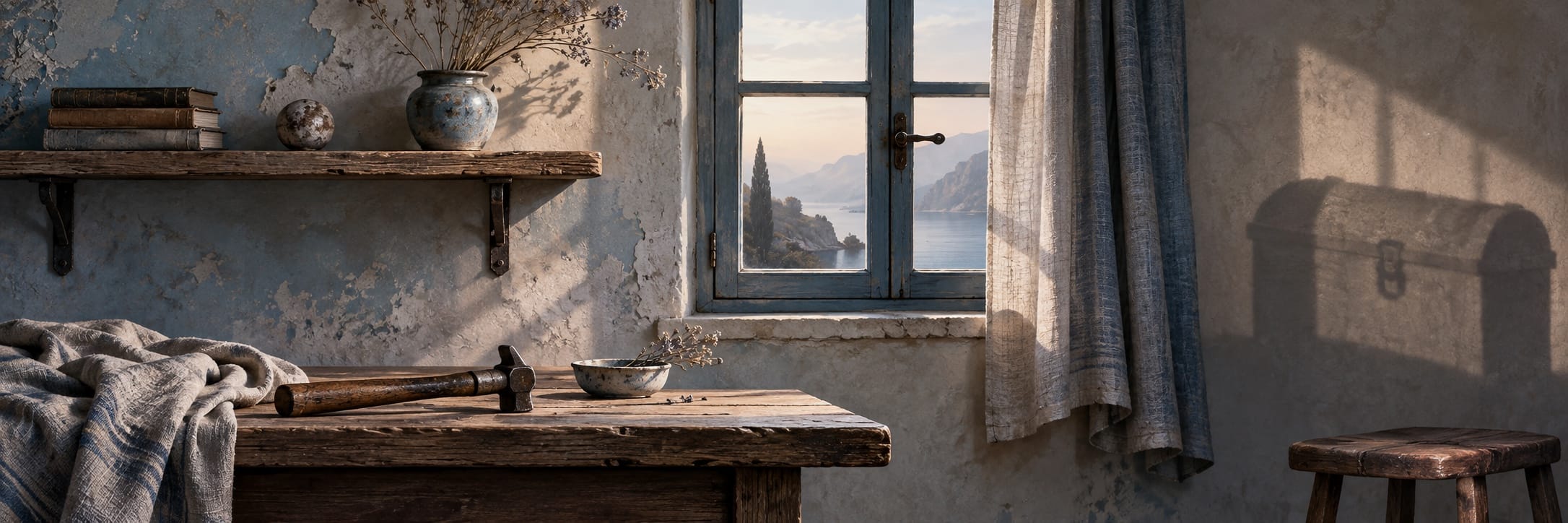
A contemporary poem about the tool that misunderstood, using a concrete image system, a pressured turn and a restrained open ending.
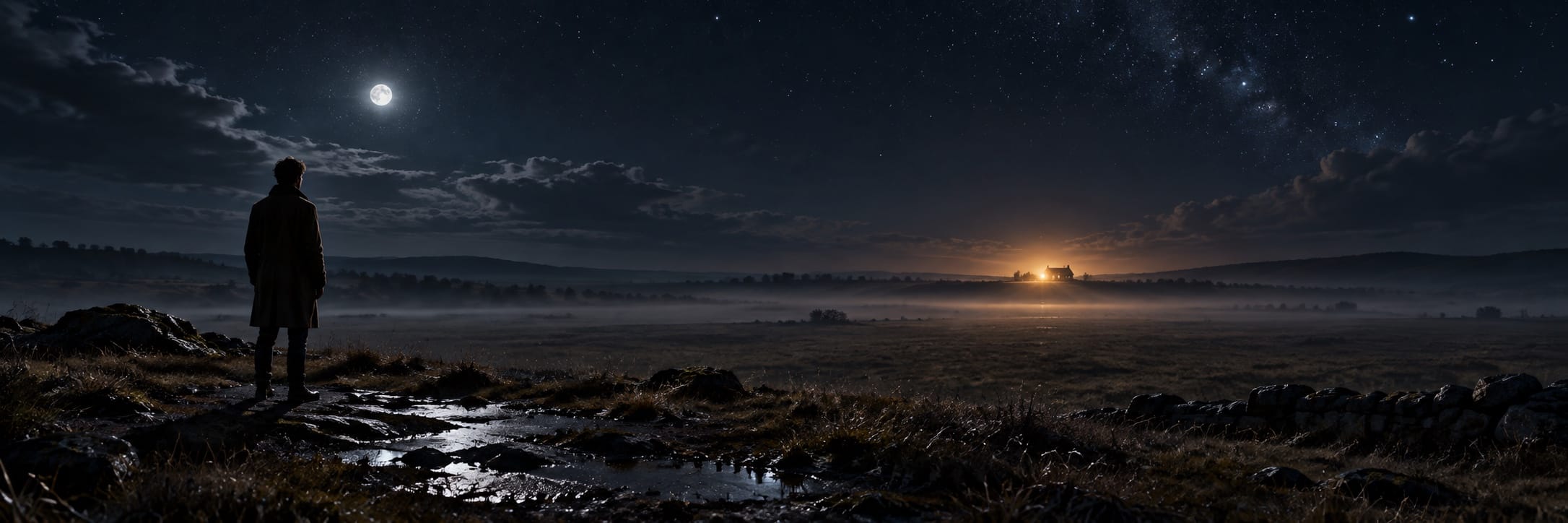
A nature & reflection poem about light, witness, arrival, where attention changes the scale of the ordinary.
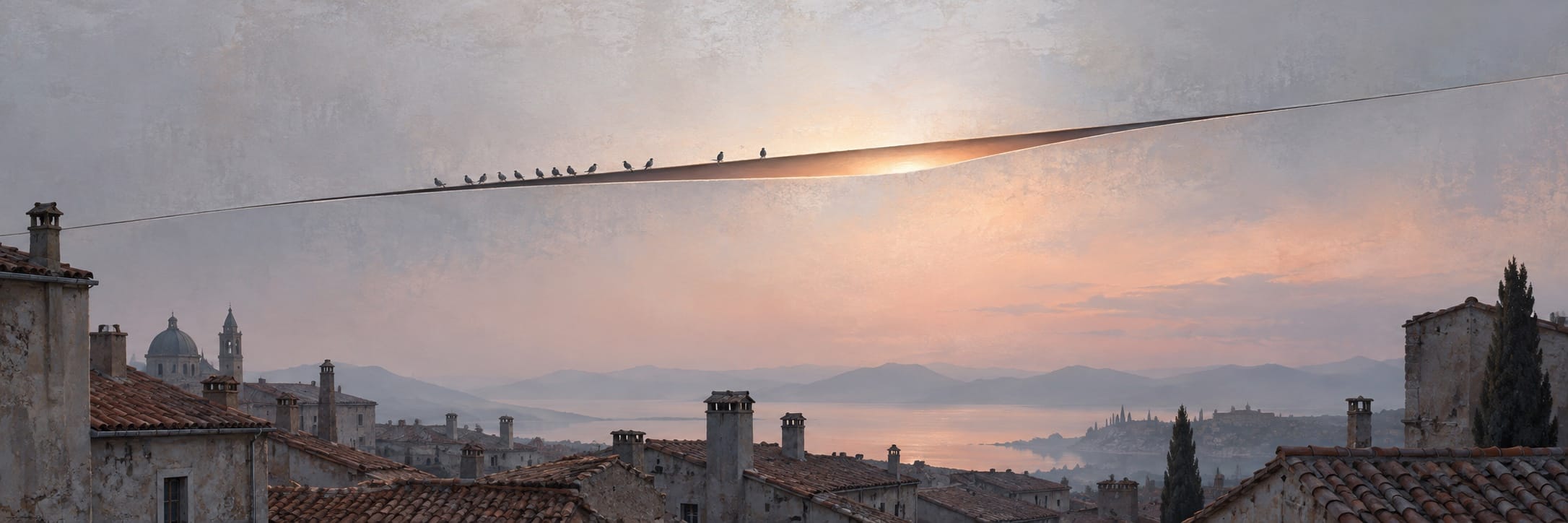
A contemporary poem about an appliance for wonder, using a concrete image system, a pressured turn and a restrained open ending.
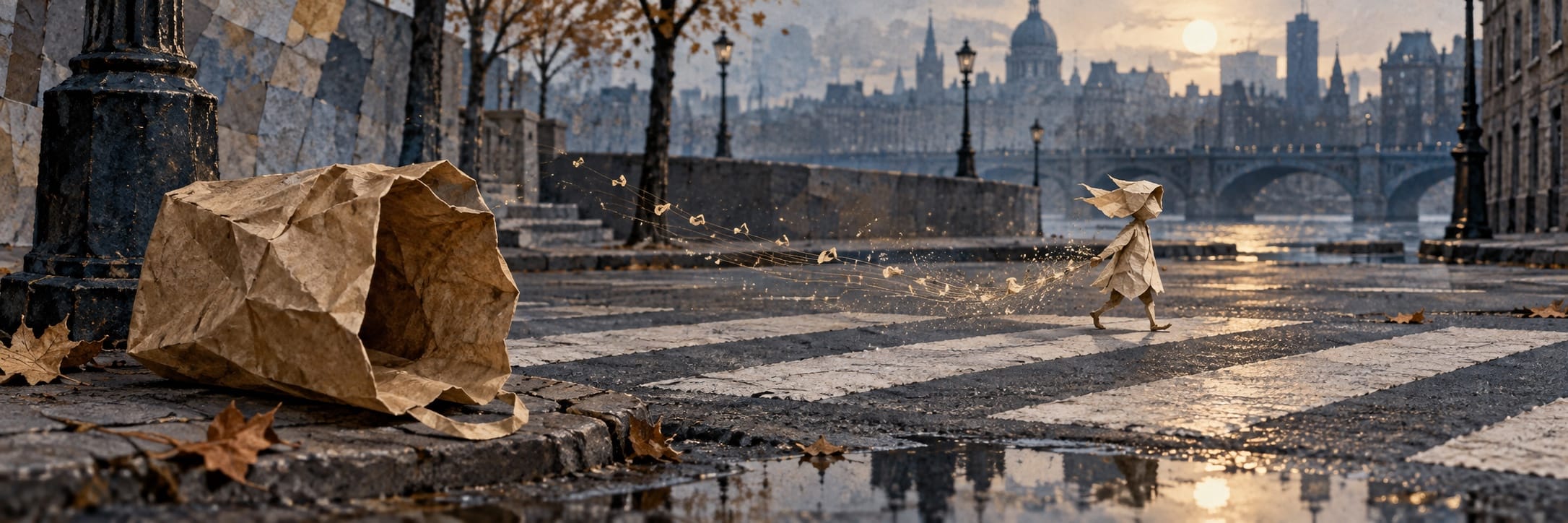
A contemporary poem about carrying the unfinished, using a concrete image system, a pressured turn and a restrained open ending.
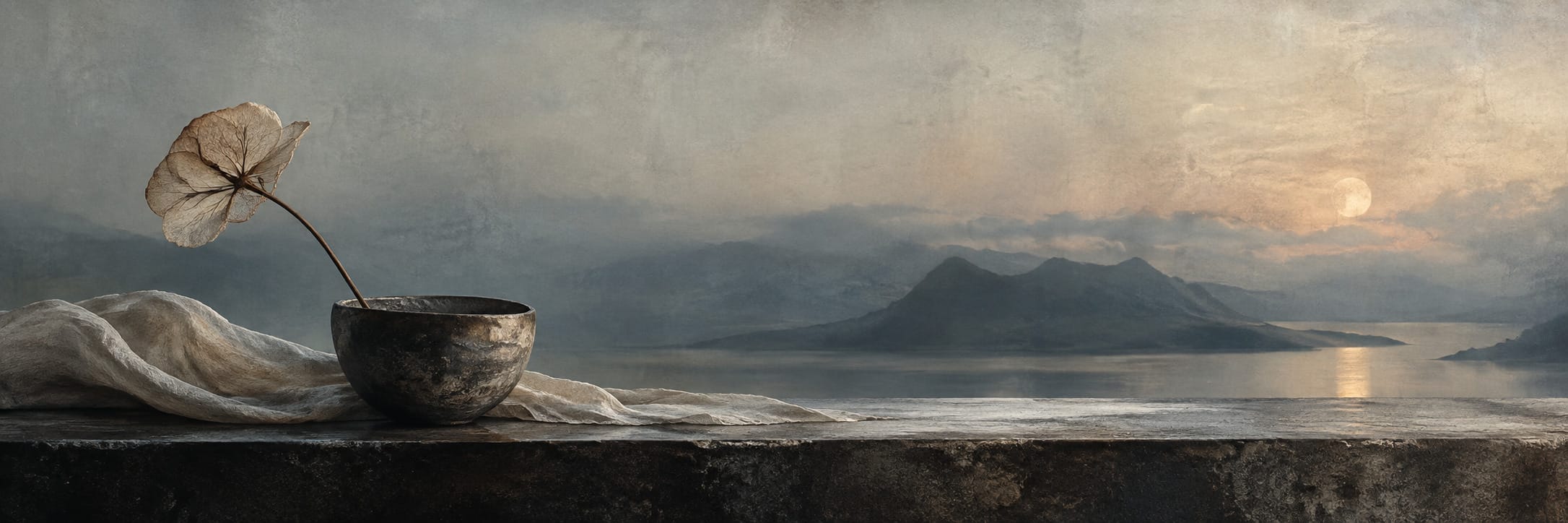
A contemporary poem about the calm has an address, using a concrete image system, a pressured turn and a restrained open ending.
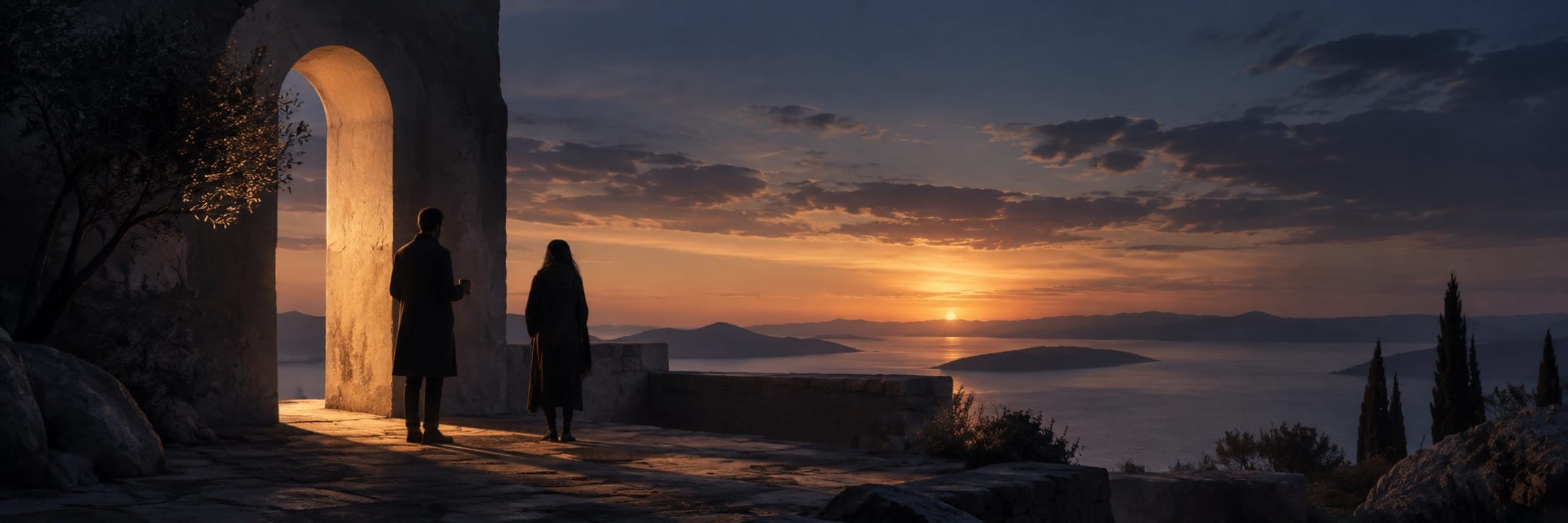
A contemporary poem about the figure keeps its quiet, using a concrete image system, a pressured turn and a restrained open ending.
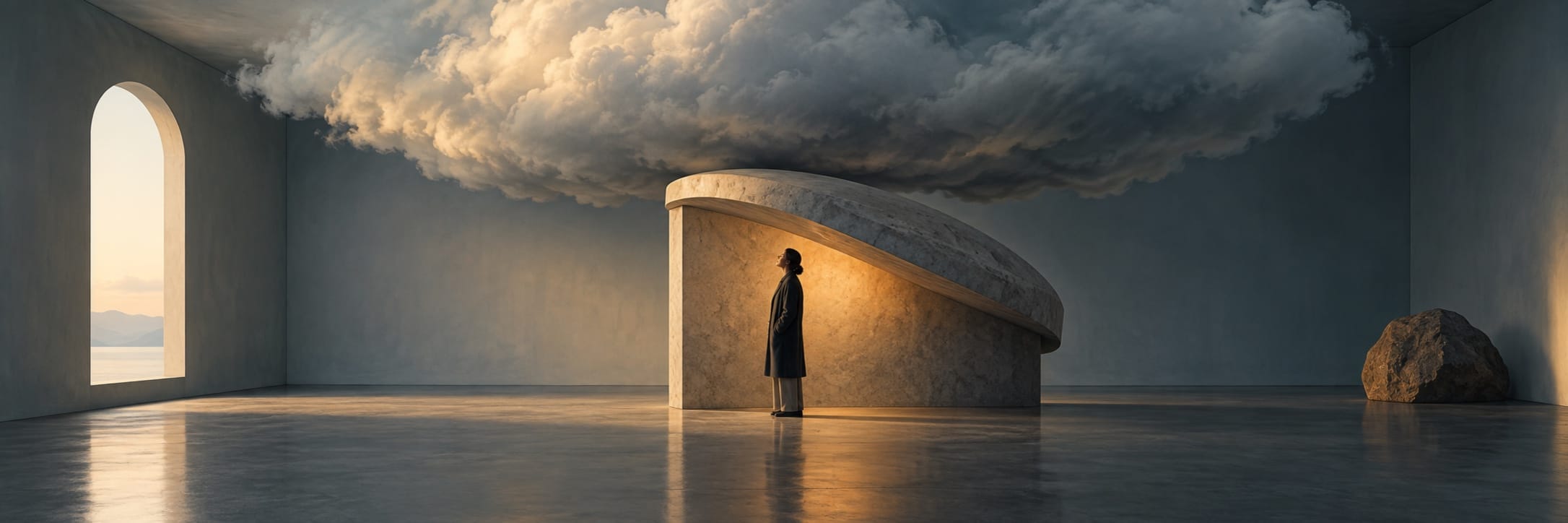
An object carries an atmosphere of its own, changing the emotional climate around the observer.
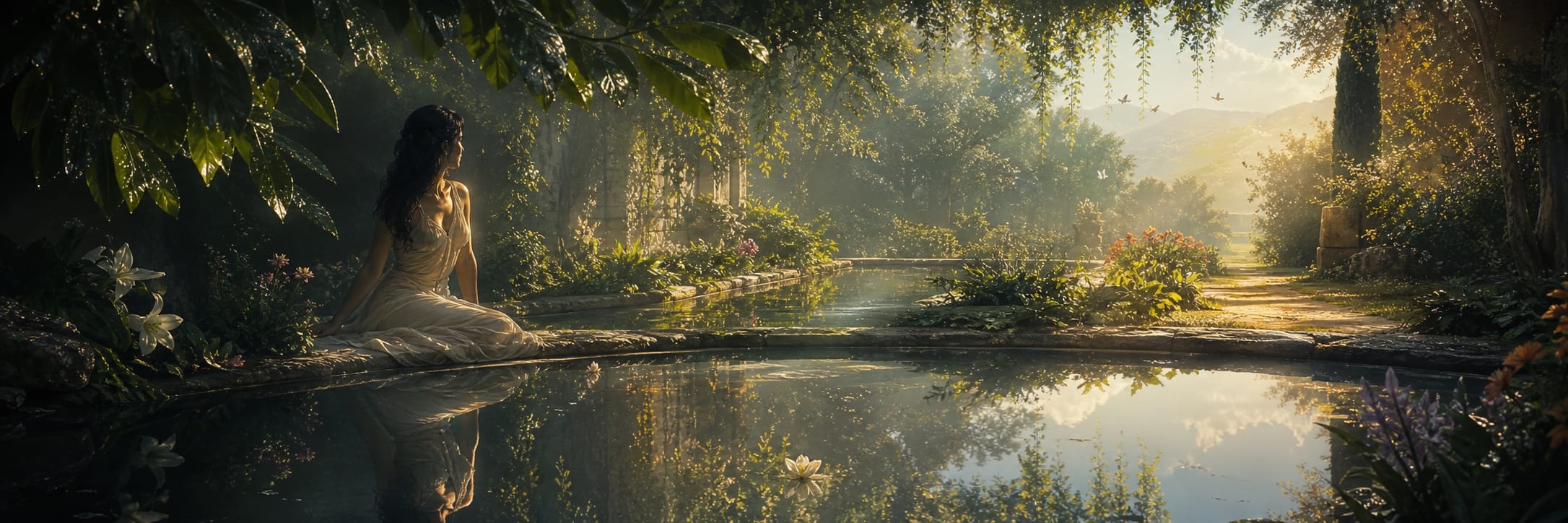
A first-morning Eden poem about embodied autonomy, privacy, reflection, naming and the first relation between two people who meet as unfinished equals.