
Loading poetry
Poetry
A space for poems, spoken pieces, and collections shaped by pressure, memory, fracture, and feeling.
Poetry categories
Each stream gathers poems by mood, music, pressure, and the kind of attention the piece asks for.
Poems that walk the fault lines: grief, rupture, war, urban grit, and the mythic underbelly of the everyday. Expect charged images, stark music, and hard turns that don’t tidy the mess so much as name it.
Editor’s picks and special spotlights: the poems, sequences, and craft notes we think deserve your front-row gaze. Rotating highlights, seasonal themes, and one-off gems that show the range of our community.
Where verse meets melody. Poems arranged as songs, chants, and soundscapes—complete with audio players, lyric sheets, and credits for collaborators. Expect live takes, studio mixes, and experiments that let the poem sing in new registers.
Field notes of the inner and outer world: weather, seasons, land, and the quiet revolutions of thought. Lyrical attention, ecological awareness, and a contemplative pace define this stream.
Wit with teeth. Irony, parody, and mischief aimed at power, pretence, and the status quo. Formal play and punchy line breaks welcome; the laugh should leave a bruise.
Poems in which a single speaker thinks aloud under pressure. A live occasion, listener, silence or repeated phrase lets the voice turn through argument, memory or self-recognition; meaning emerges through the act of speaking.
Work of resilience and renewal: poems about survival, kinship, faith (in any form), and the long arc of becoming. Clear cadence, steady light, and endings that open rather than preach.
Dream-logic, fabulism, and mythic visitations. Reality bends, symbols speak, and images carry more than one meaning. The goal is wonder and unease in equal measure.
Poetry in isiZulu, alongside careful translations where offered. A home for imagery, izibongo (praise poetry), and contemporary voices that carry rhythm and story. Submissions may appear bilingual to welcome wider readers.
71 entries across poetry.
44 entries across poetry.
94 entries across poetry.
261 entries across poetry.
29 entries across poetry.
126 entries across poetry.
Poetry began here as play with words, fragments, and unlikely connections. Over time it became a record of feeling, then a way of making sense without forcing neat explanations too early.
Some pieces are more instinctive. Some are more controlled. None of them are interested in pretending the human experience arrives tidy.
These poems are not written to hand over a single fixed meaning. They are written to hold image, pressure, contradiction, and the parts of experience that resist summary.
Read them slowly or read them in a rush. Read them in sequence if you want to notice how the voice shifts over time. Read them out of order if you want the cleaner shock of recognition.
If a poem leaves you with a clearer feeling rather than a cleaner answer, it has done its job.
Some poems also live in voice.
Where a spoken version exists, it should feel like an extension of the page rather than a separate performance layer. The voice is there to carry the pressure of the line, not distract from it.
Collections gather poems by atmosphere, season, pressure, or recurring thread.
Enter a collection when you want a more sustained mood than the main archive offers, or when you want to stay with a particular register a little longer.
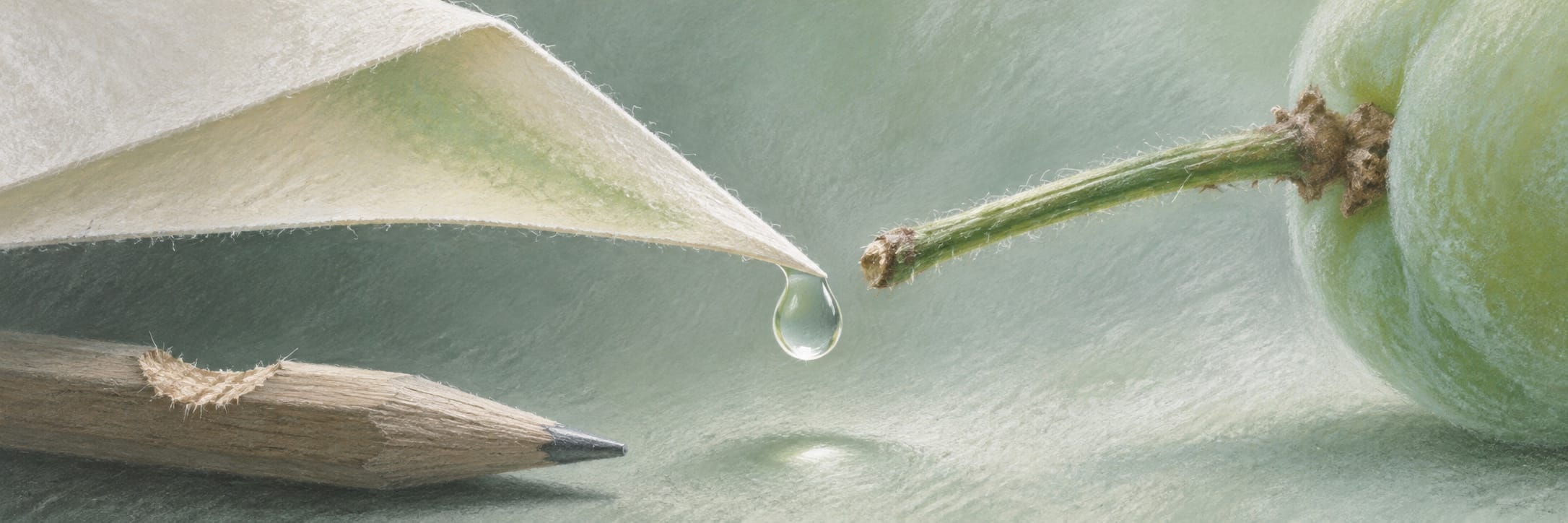
Four wearers test one perfume on their skin, each revealing a different appetite for the scent.

Two former swimmers remember a shared towel, bus fare and the small routines that keep a friendship open.
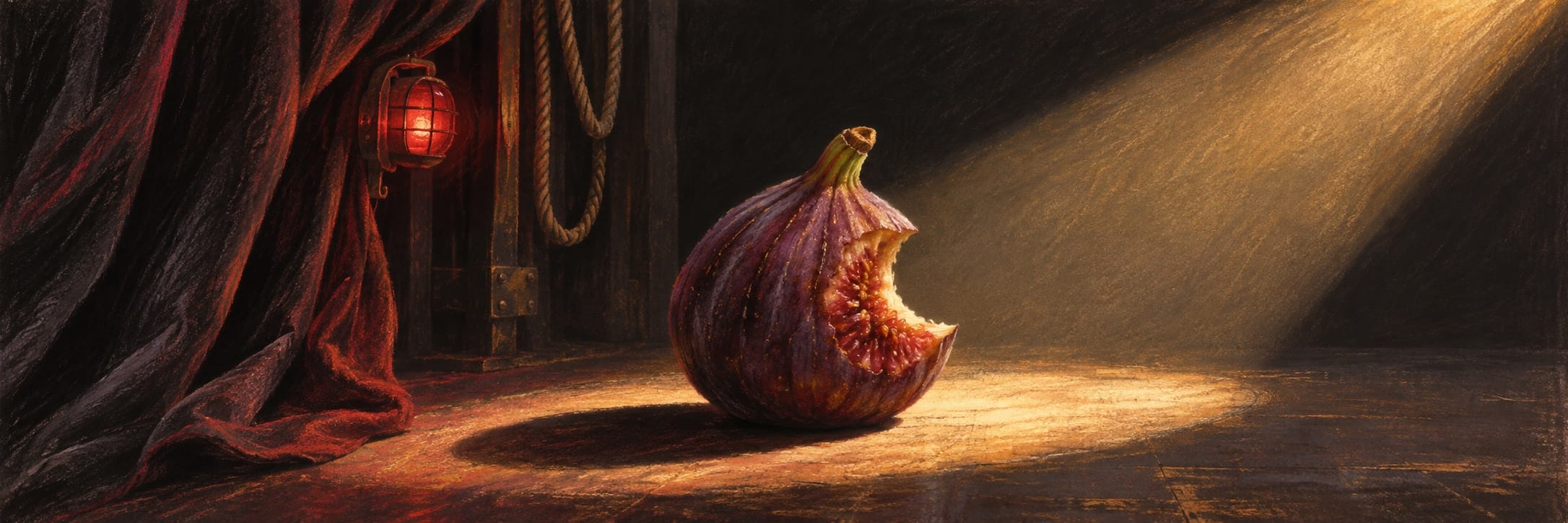
An understudy waits as one changed word alters a performance and the silence around it.
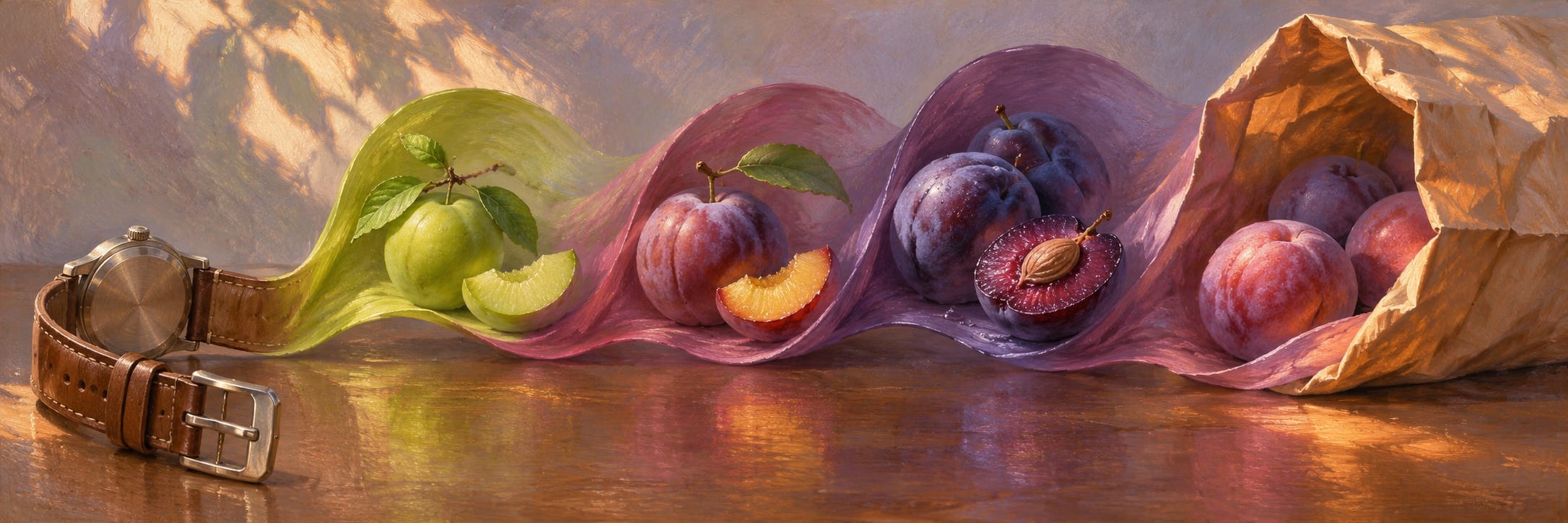
A perfumer tests a green-plum accord and finds the note she dislikes is the one she cannot quite release.
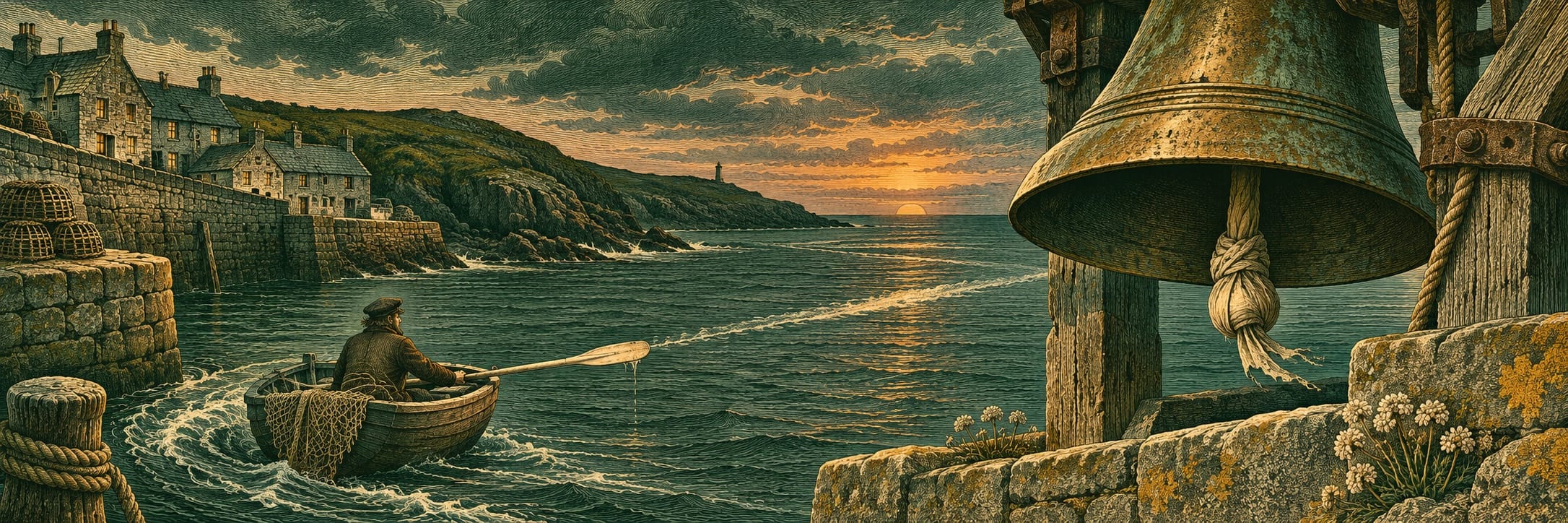
A rhyming fable about a town clock, a flood-gate choice, and the human promise behind the bell.
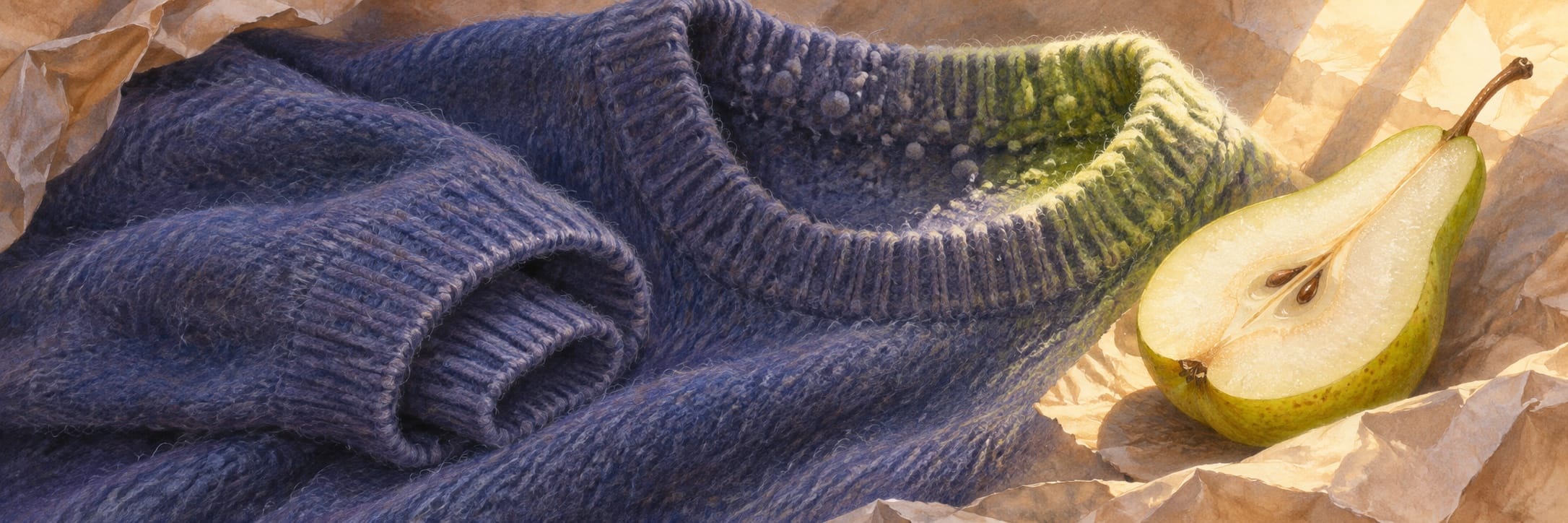
A parcel releases the familiar smell of a distant lover’s jumper, leaving one name to be carried home.
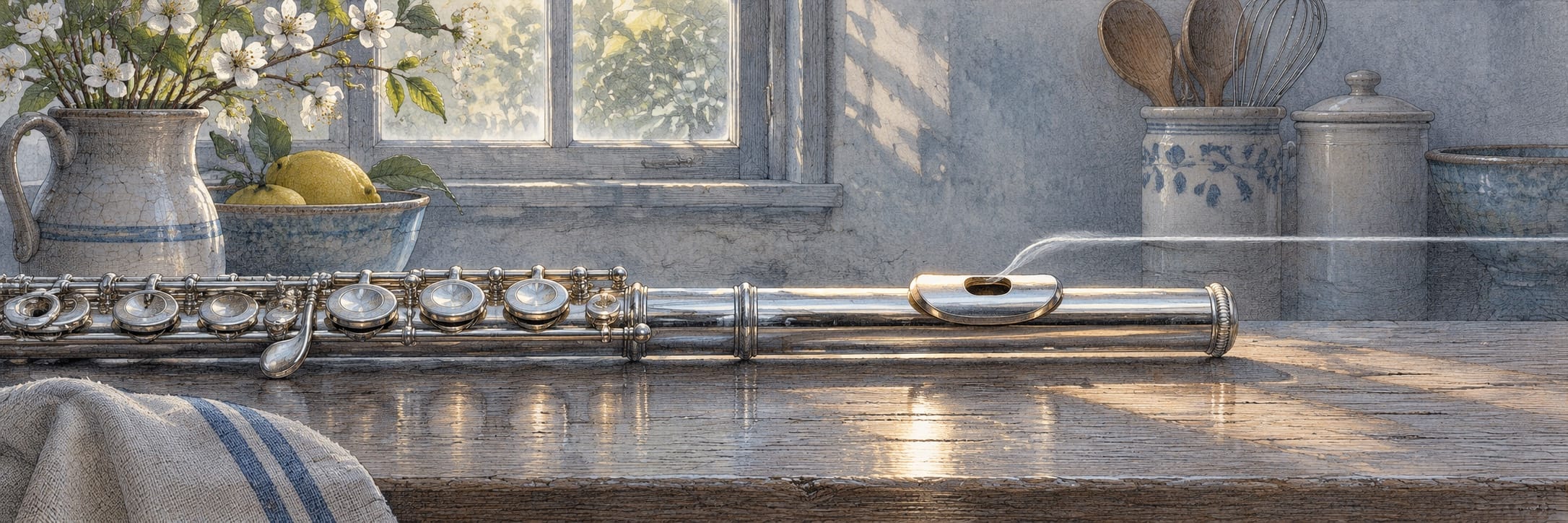
A musician addresses a flute altered by repair, measuring what memory can still hear.
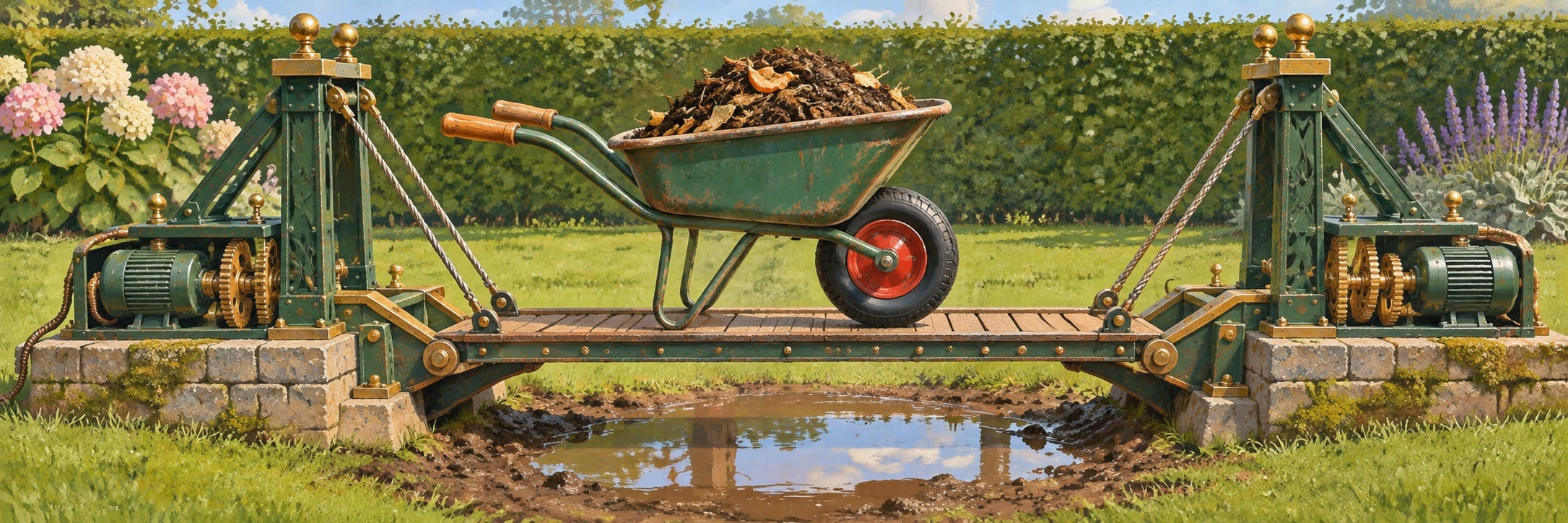
A motorised drawbridge is built so a wheelbarrow can cross a tiny puddle, launching a mock republic where organised folly becomes tradition.

A reader follows a western grebe’s courtship into a small, uncertain exchange over supper.
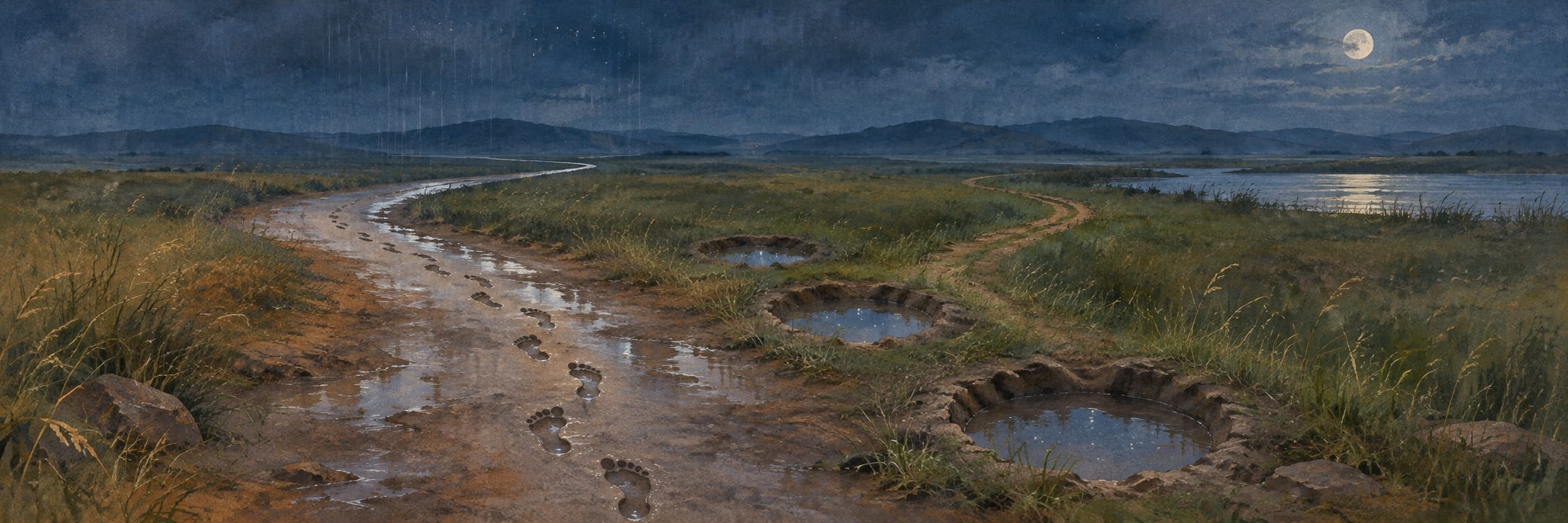
A mythic return poem where first rain uncovers an old road beneath the dust, and jackal calls guide a traveller home.
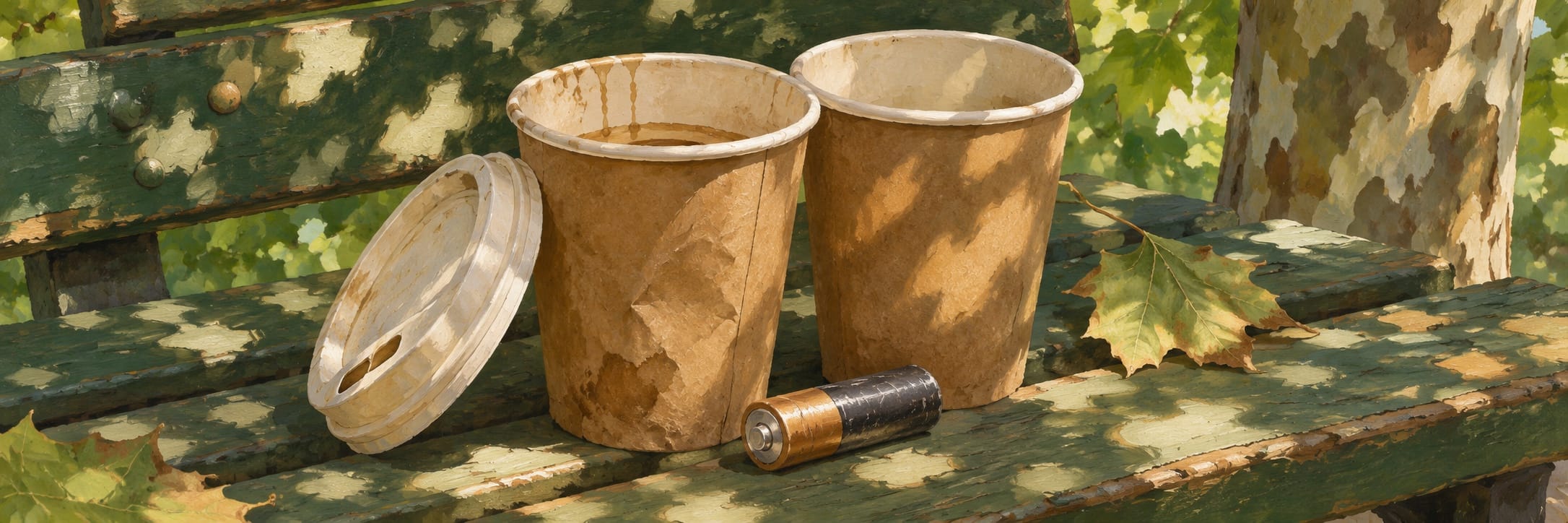
A speaker removes the battery from Clock, the god of schedules, and meets a friend beneath a plane tree without knowing how much time has passed.
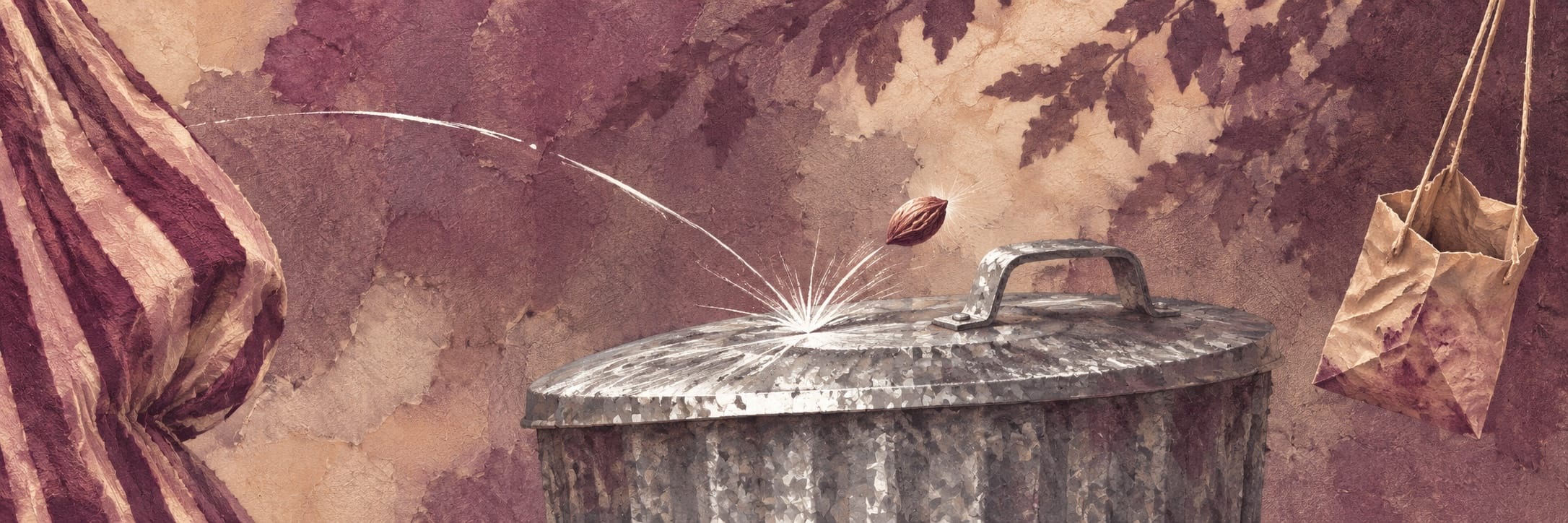
At closing, a perfume maker sends a runner after a customer; a child’s game changes what the maker sees.
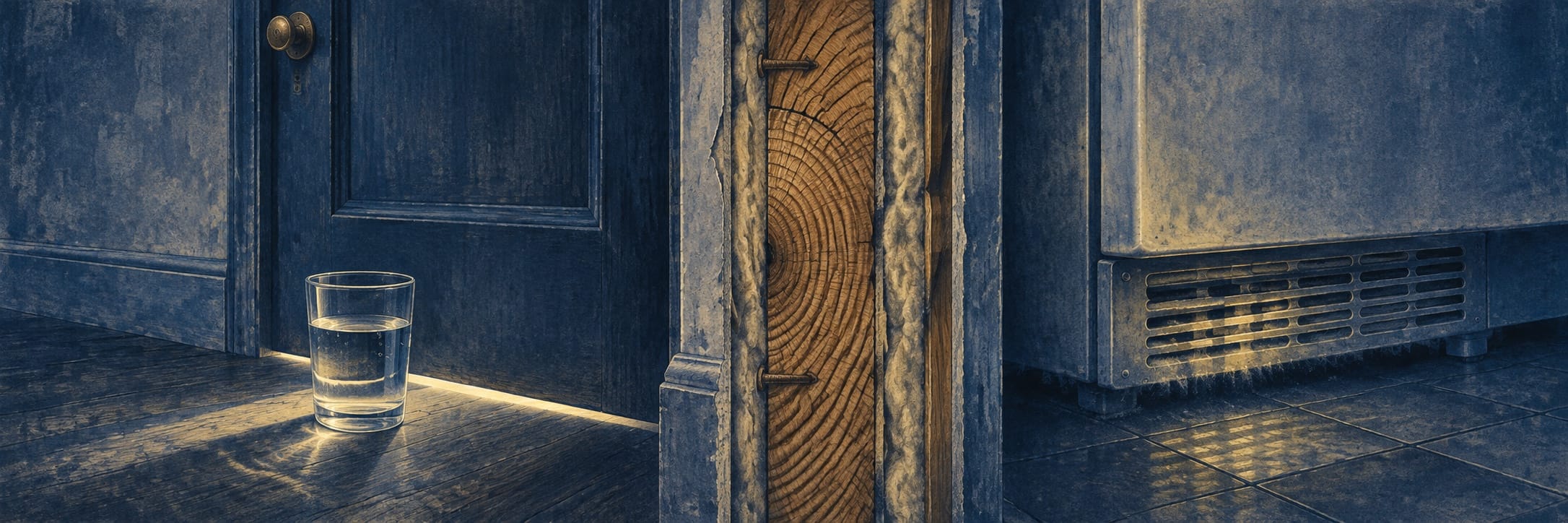
A man counts ten push-ups into tomorrow; a neighbour hears the silence and waits for his morning spit.
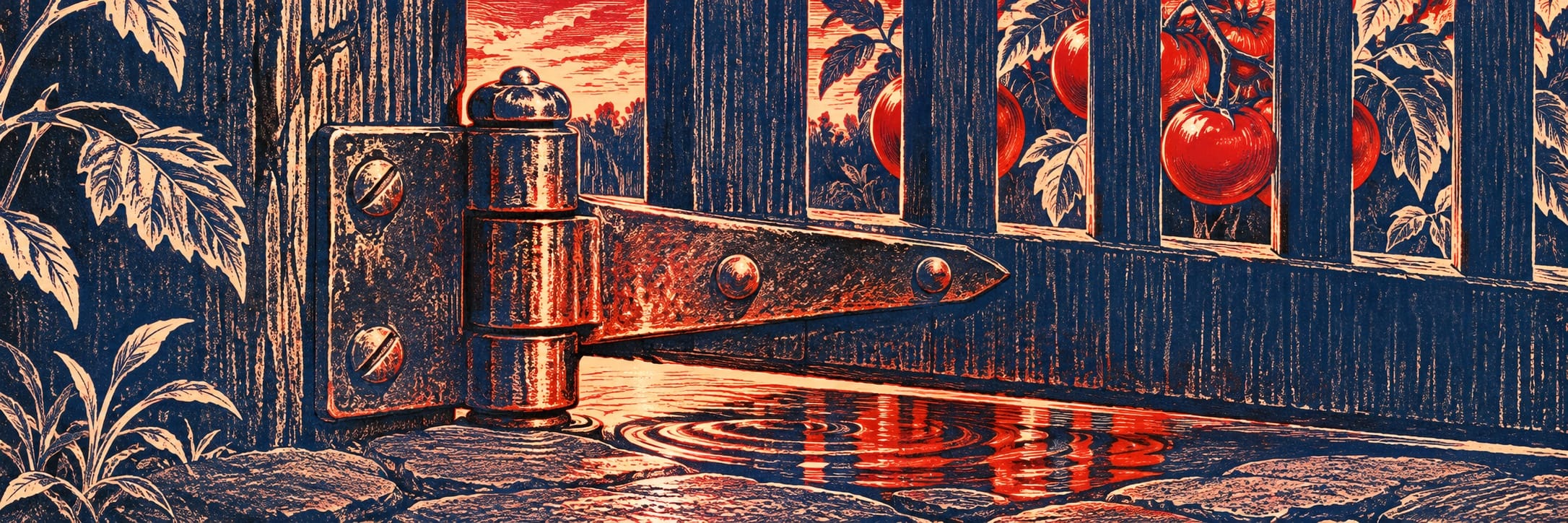
A small gift moves a squeak from one hinge to another, giving a father the sound he needs at the garden gate.
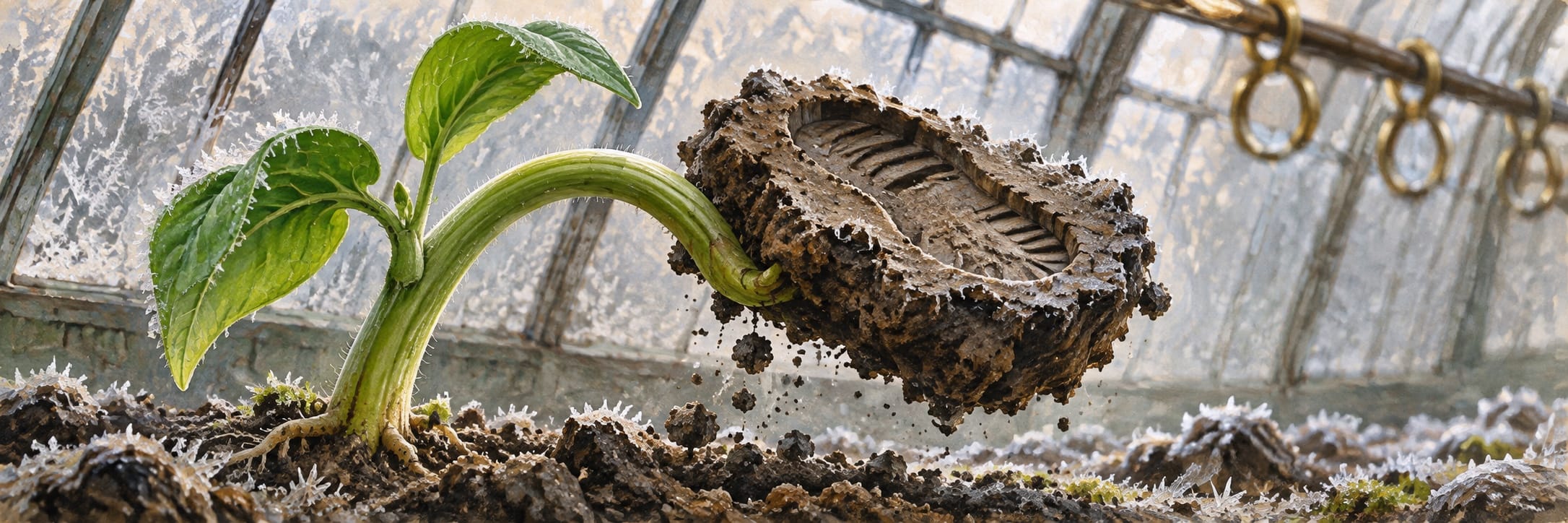
A glasshouse changes what it counts as dawn while one bean’s growth exposes what its tests missed.
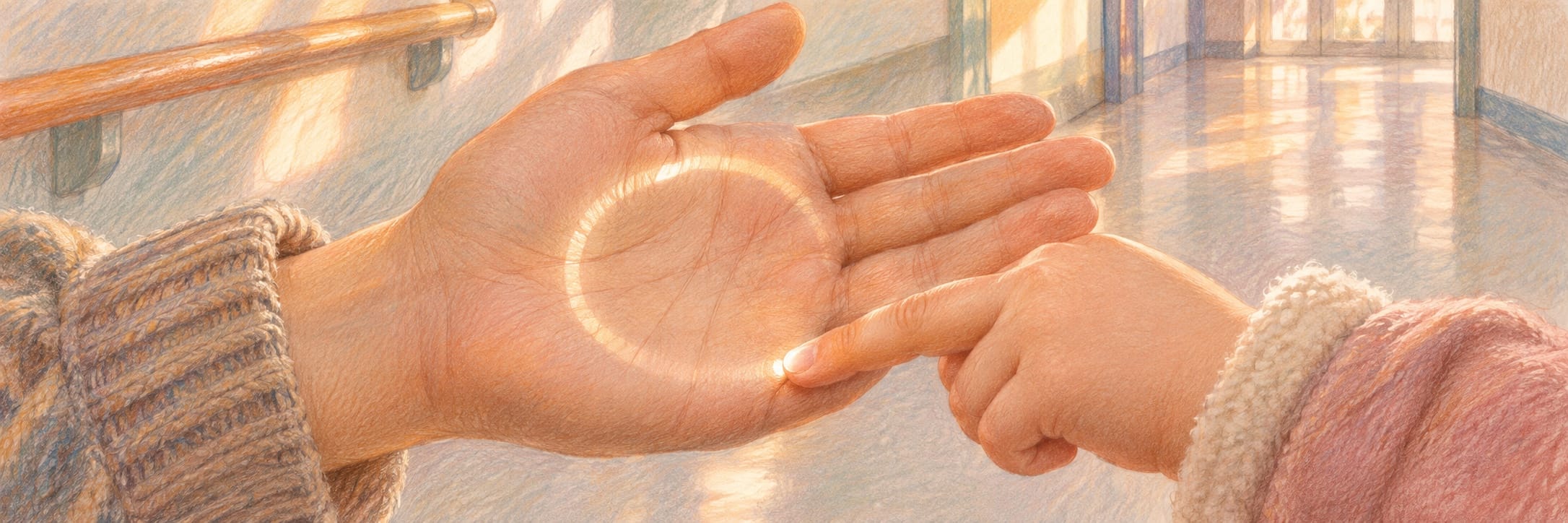
A child reads a brother’s mouth during a sight test, asks him to face the wall, then draws most of a circle on his palm.

A shopper tests suitors at a dinner-trial emporium, where self-absorbed, absent and unavailable models give way to two literal good boys.
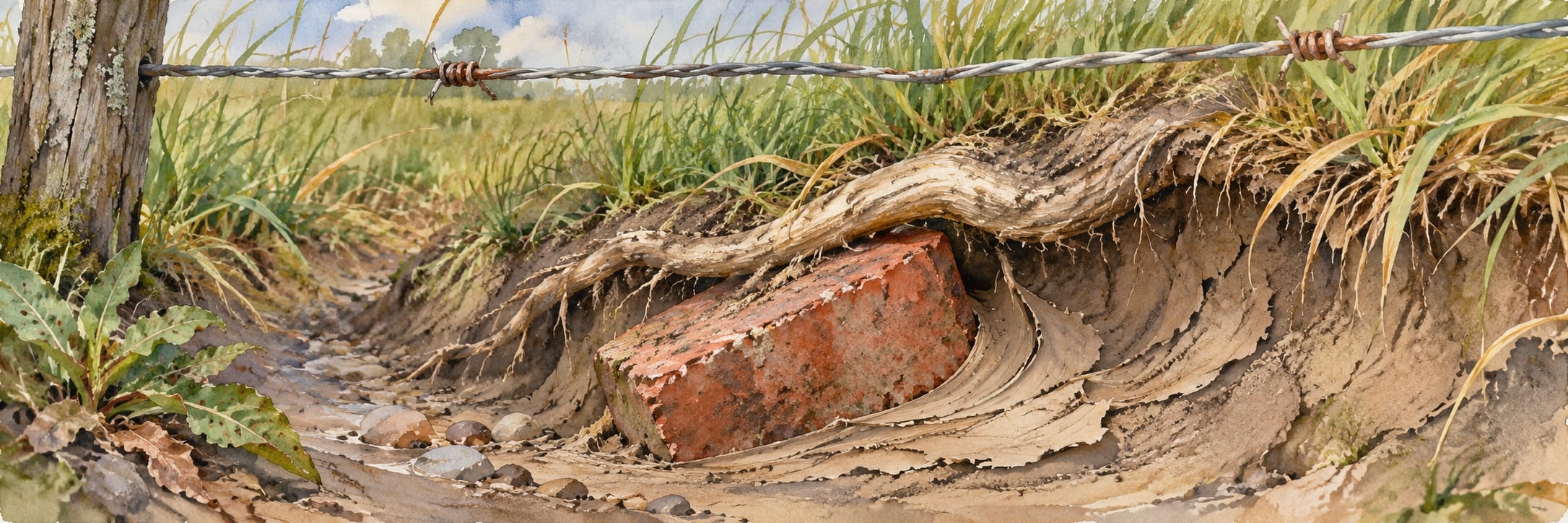
A mapped swale carries rain beyond its plan; a brick tips under an exposed root before the narrator lifts it and takes a strip of bank.
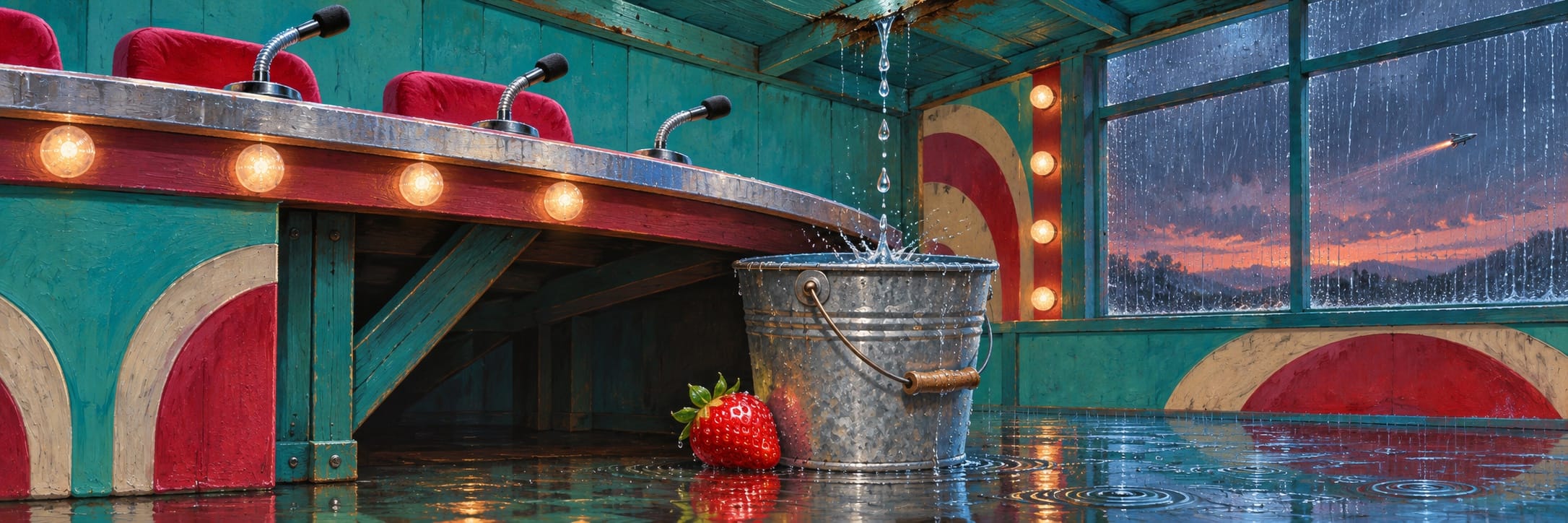
An alien quiz-show contestant hears rain as a gift, watches captains claim a bay, then leaves Earth while a local resets the bucket.

A lawyer’s ghost and zombie body share a nervous habit; only one can save the teacup at their wake.
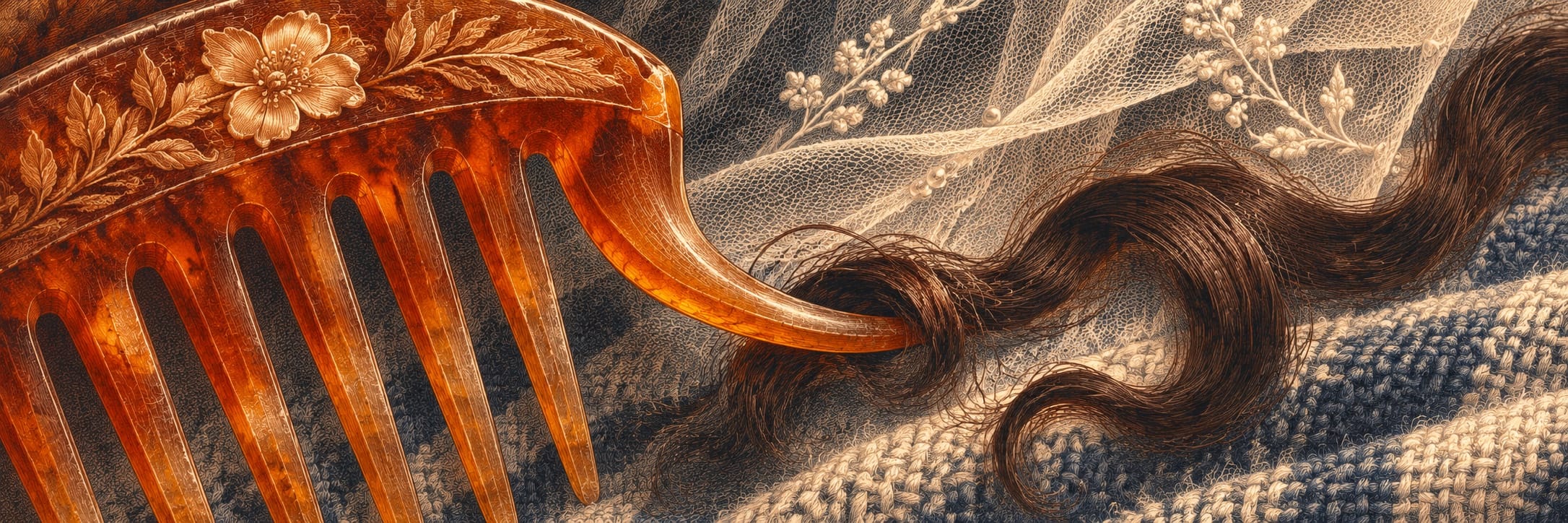
A grandmother’s cursed comb passes from bride to baby, and its old tooth becomes a gentler hand.
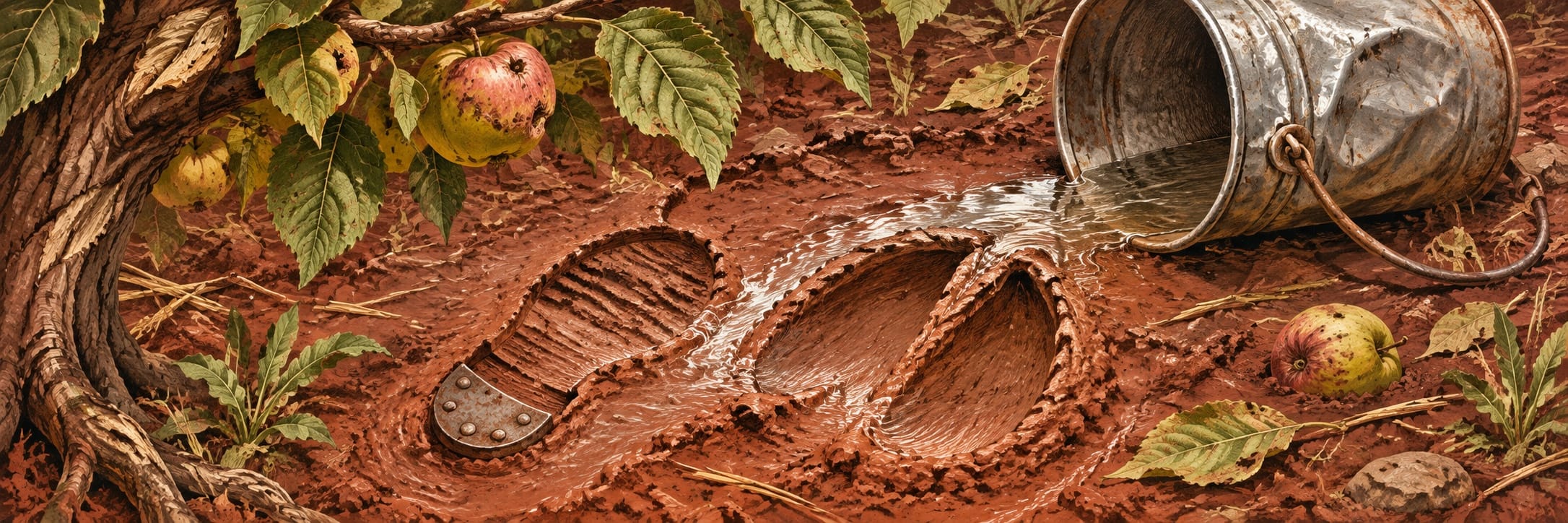
A girl and her farm sow share prints, appetite and a pail of water; the sow’s offering turns the bond into work and care.
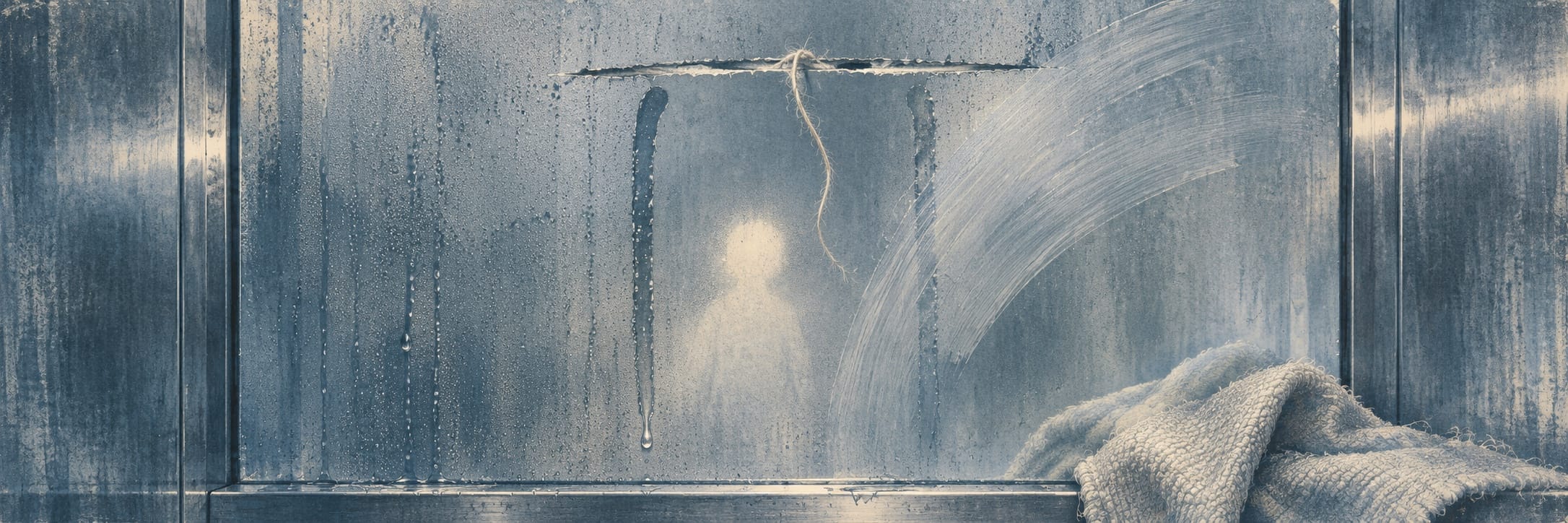
A child draws a door around her reflection in a lift mirror; the double stays when she leaves, then goes as the cleaner wipes one side.
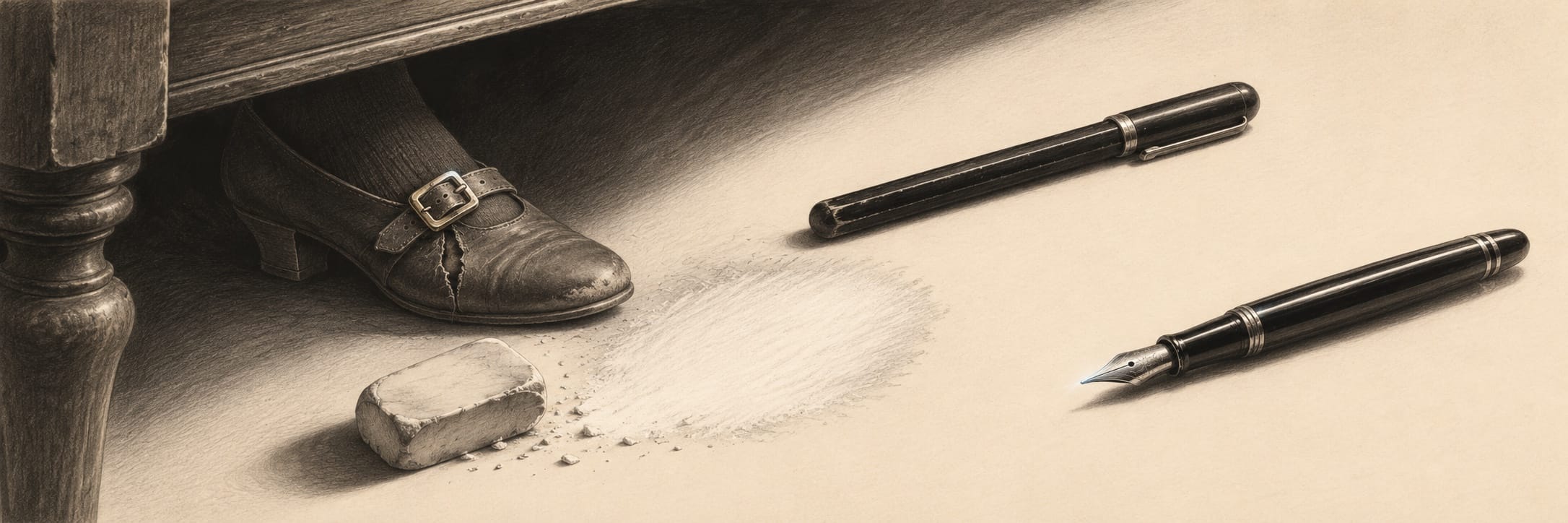
A clerk erases a death date to restore her sister, who writes her killer’s name in the margin.