
Loading poetry
Poetry
A space for poems, spoken pieces, and collections shaped by pressure, memory, fracture, and feeling.
Poetry categories
Each stream gathers poems by mood, music, pressure, and the kind of attention the piece asks for.
Poems that walk the fault lines: grief, rupture, war, urban grit, and the mythic underbelly of the everyday. Expect charged images, stark music, and hard turns that don’t tidy the mess so much as name it.
Editor’s picks and special spotlights: the poems, sequences, and craft notes we think deserve your front-row gaze. Rotating highlights, seasonal themes, and one-off gems that show the range of our community.
Where verse meets melody. Poems arranged as songs, chants, and soundscapes—complete with audio players, lyric sheets, and credits for collaborators. Expect live takes, studio mixes, and experiments that let the poem sing in new registers.
Field notes of the inner and outer world: weather, seasons, land, and the quiet revolutions of thought. Lyrical attention, ecological awareness, and a contemplative pace define this stream.
Wit with teeth. Irony, parody, and mischief aimed at power, pretence, and the status quo. Formal play and punchy line breaks welcome; the laugh should leave a bruise.
Poems in which a single speaker thinks aloud under pressure. A live occasion, listener, silence or repeated phrase lets the voice turn through argument, memory or self-recognition; meaning emerges through the act of speaking.
Work of resilience and renewal: poems about survival, kinship, faith (in any form), and the long arc of becoming. Clear cadence, steady light, and endings that open rather than preach.
Dream-logic, fabulism, and mythic visitations. Reality bends, symbols speak, and images carry more than one meaning. The goal is wonder and unease in equal measure.
Poetry in isiZulu, alongside careful translations where offered. A home for imagery, izibongo (praise poetry), and contemporary voices that carry rhythm and story. Submissions may appear bilingual to welcome wider readers.
16 entries across poetry.
76 entries across poetry.
15 entries across poetry.
131 entries across poetry.
44 entries across poetry.
45 entries across poetry.
Poetry began here as play with words, fragments, and unlikely connections. Over time it became a record of feeling, then a way of making sense without forcing neat explanations too early.
Some pieces are more instinctive. Some are more controlled. None of them are interested in pretending the human experience arrives tidy.
These poems are not written to hand over a single fixed meaning. They are written to hold image, pressure, contradiction, and the parts of experience that resist summary.
Read them slowly or read them in a rush. Read them in sequence if you want to notice how the voice shifts over time. Read them out of order if you want the cleaner shock of recognition.
If a poem leaves you with a clearer feeling rather than a cleaner answer, it has done its job.
Some poems also live in voice.
Where a spoken version exists, it should feel like an extension of the page rather than a separate performance layer. The voice is there to carry the pressure of the line, not distract from it.
Collections gather poems by atmosphere, season, pressure, or recurring thread.
Enter a collection when you want a more sustained mood than the main archive offers, or when you want to stay with a particular register a little longer.
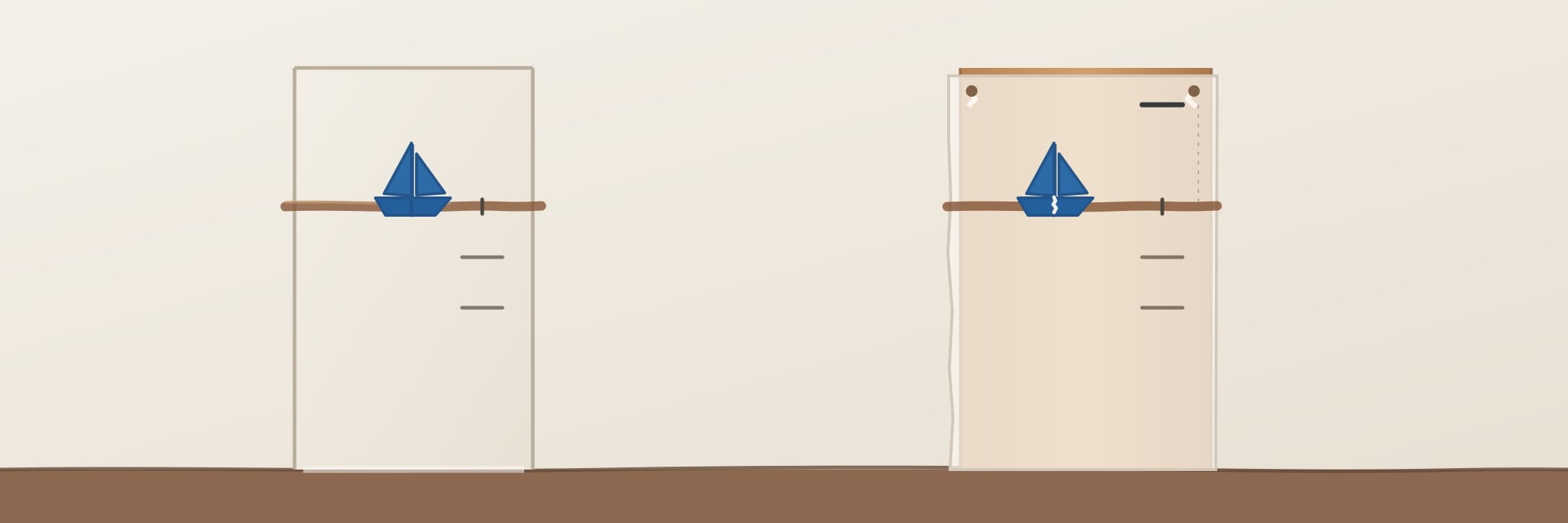
A child’s pencilled heights, a crayon boat and a floodline are traced before the pantry jamb is repainted.
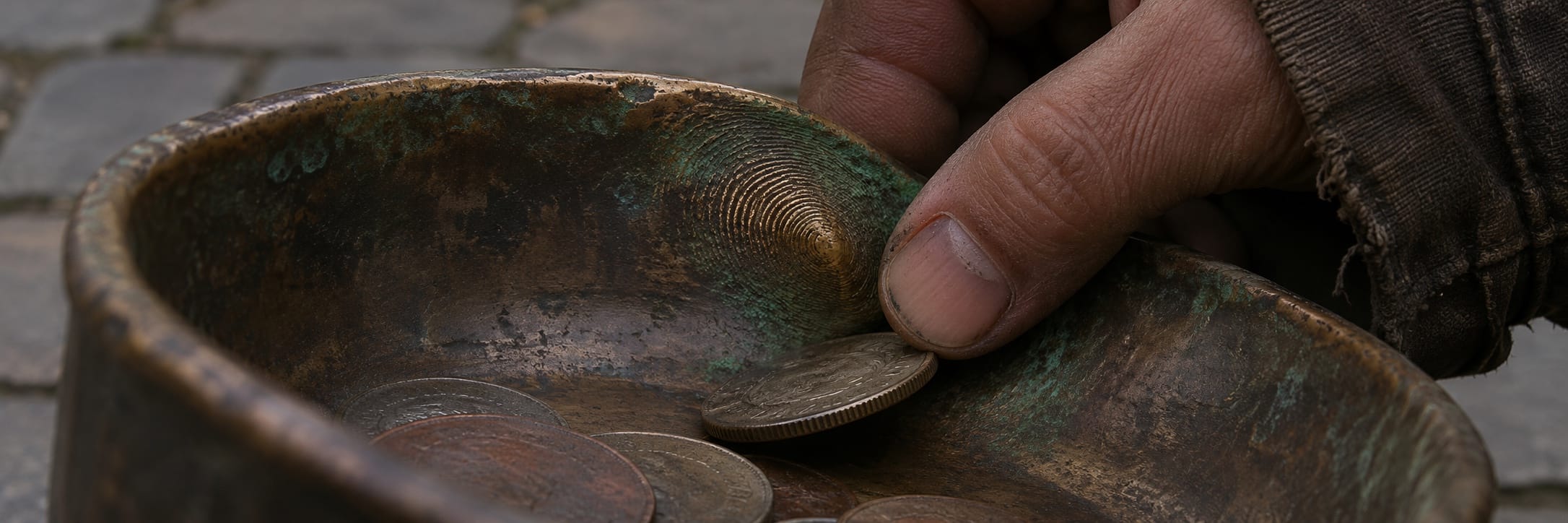
A bronze cup’s thumbprint meets the thumb that reaches beneath its rim for a coin.
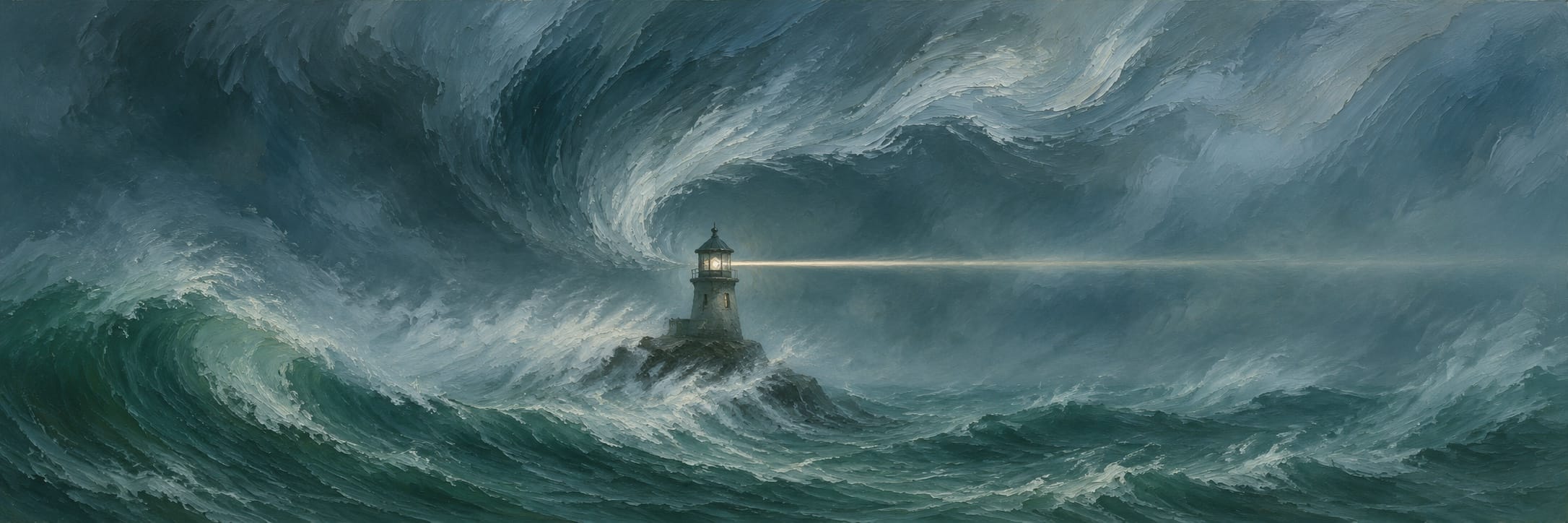
A documentary poem juxtaposing a parachute, the AVE Mizar and Eddystone Lighthouse to examine the limits of engineered protection.
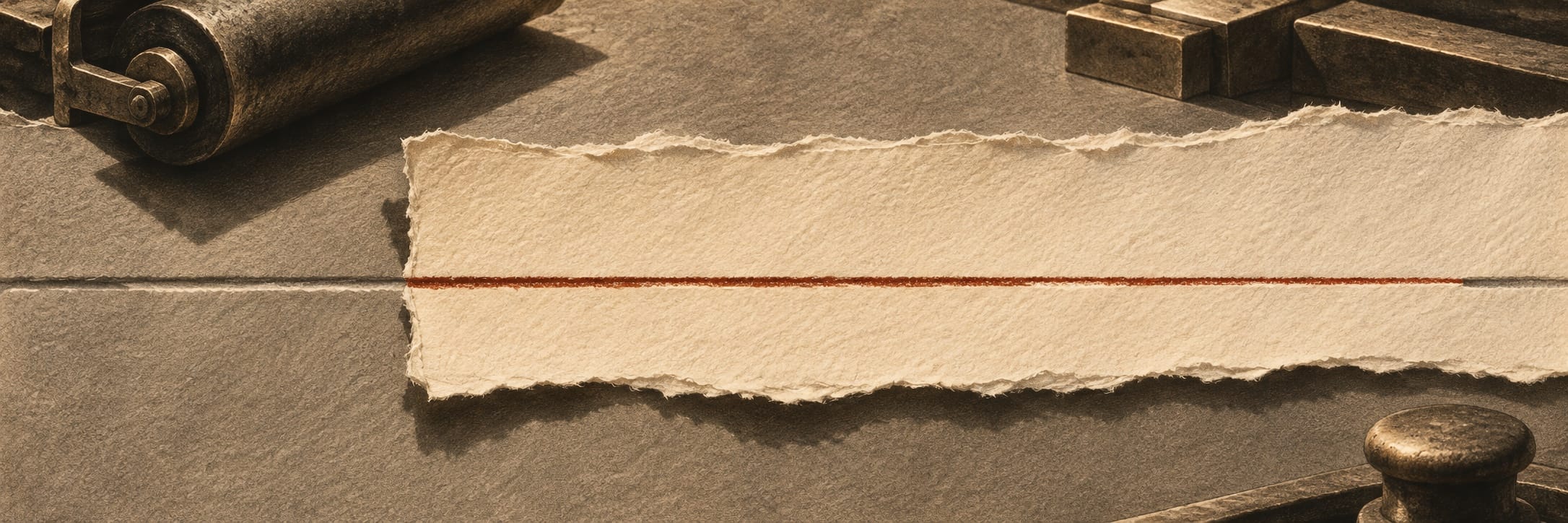
A documentary poem tests a neat explanation for a fatal parachute descent against two other incidents and closes with the language of a formal correction.

A documentary poem that places three inventions beside their human toll: Cocking’s parachute, the AVE Mizar and the first Eddystone lighthouse.
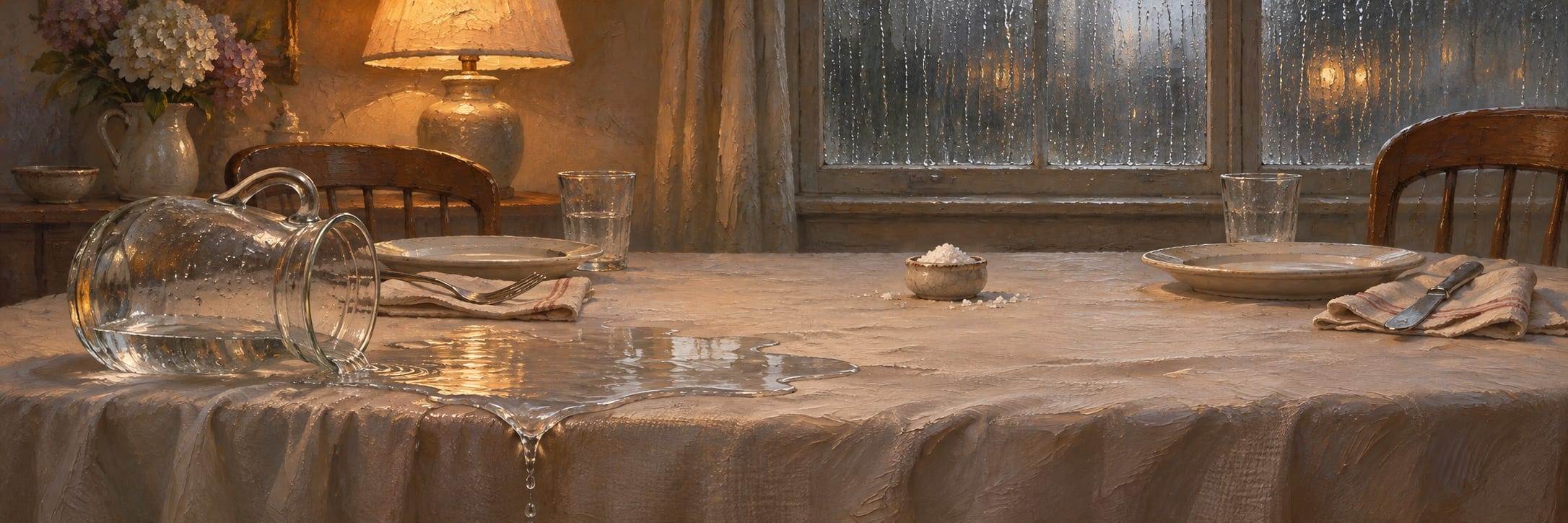
At dinner, a father asks his child to relay a demand over the roof bill. A spill changes how the message reaches the uncle.

A reflective poem about the work that prepares railway tracks, saplings and hotel rooms for people yet to arrive.

A father and daughter watch the same penalty on delayed screens while onions fry in her kitchen and they talk by phone.
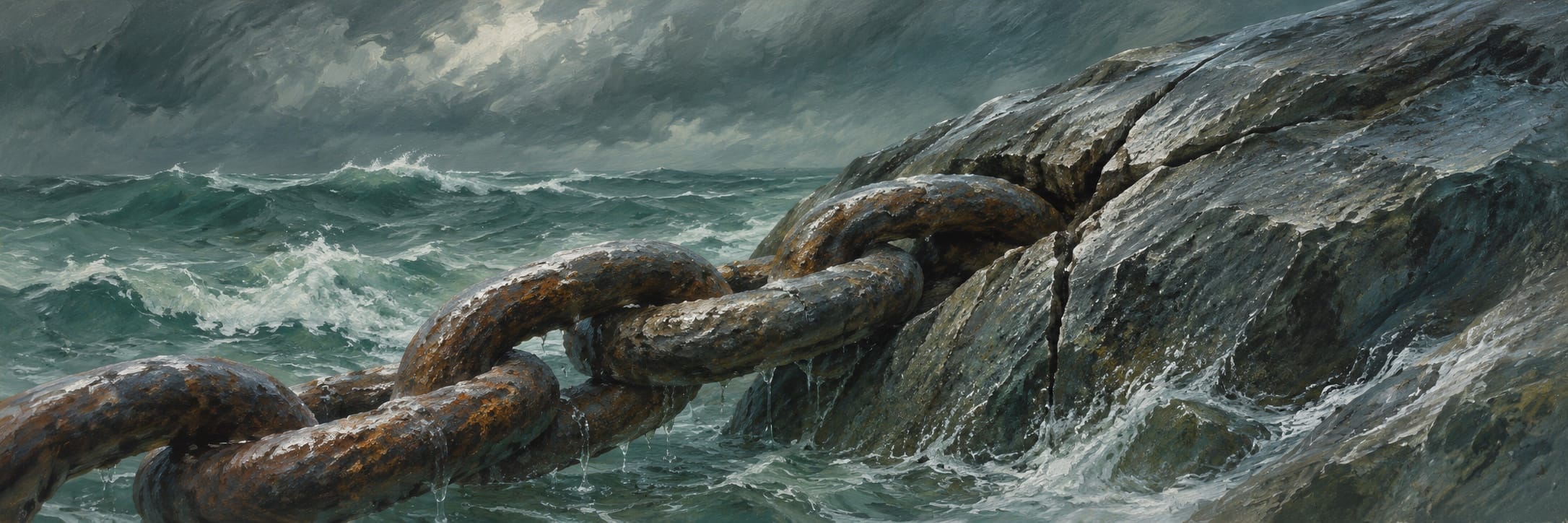
A documentary poem sets a parachute descent, a flying-car test and the loss of Eddystone lighthouse beside one another through the materials that failed or held.
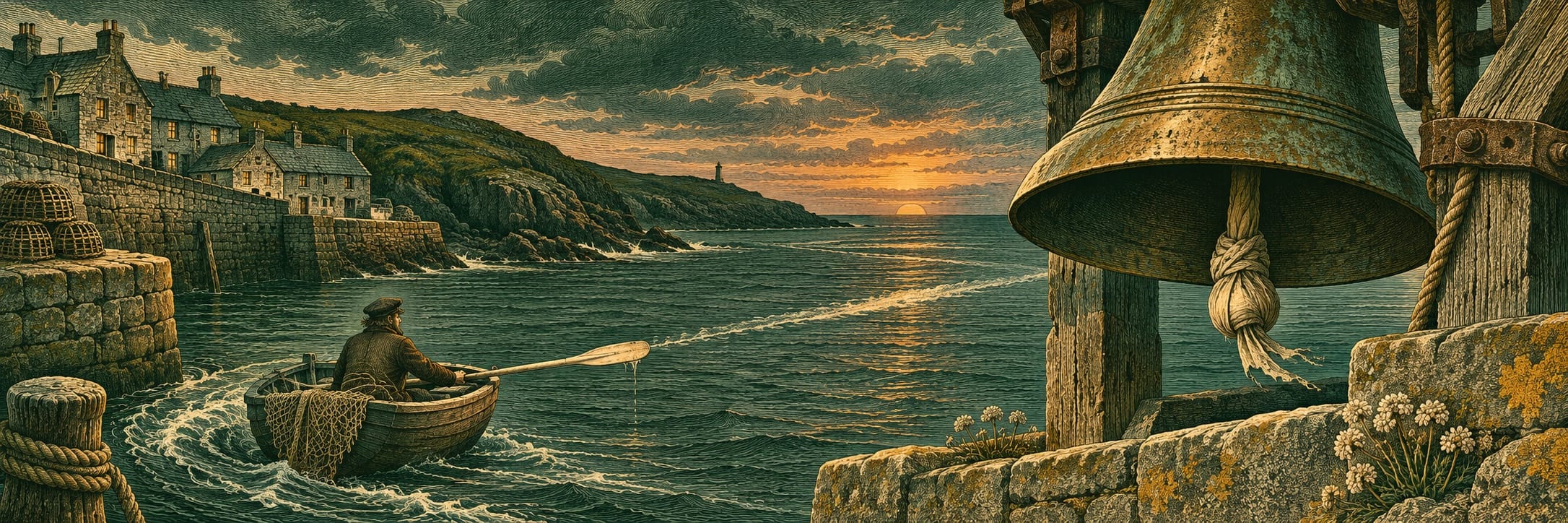
A rhyming fable about a town clock, a flood-gate choice, and the human promise behind the bell.
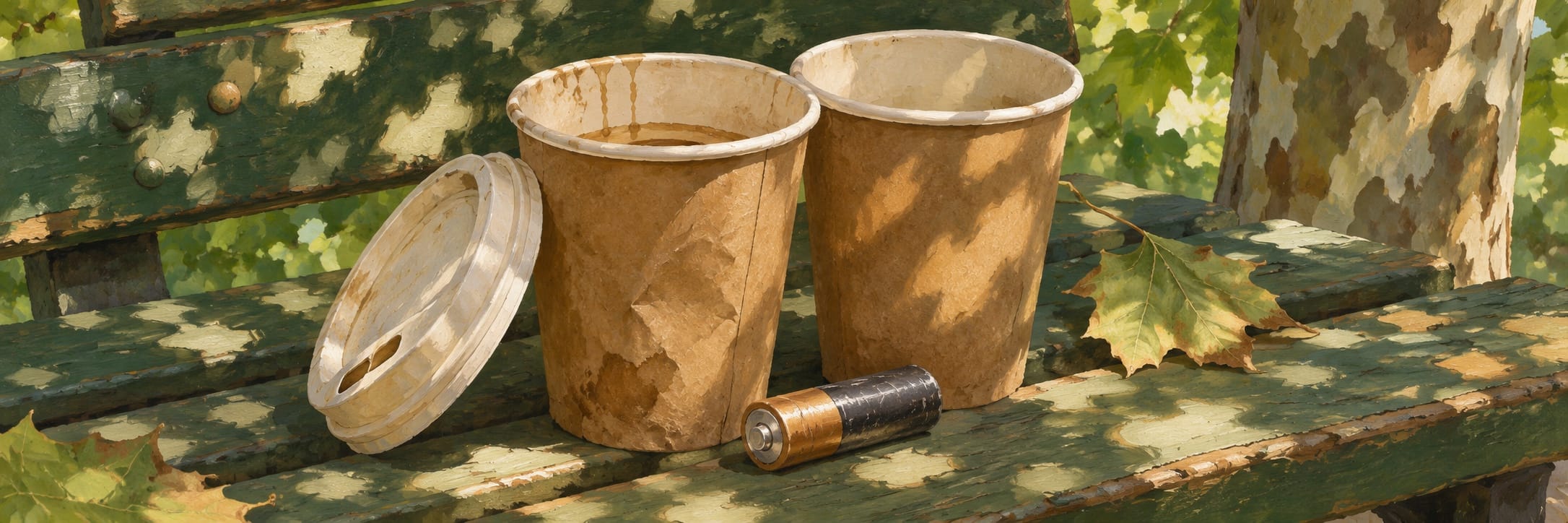
A speaker removes the battery from Clock, the god of schedules, and meets a friend beneath a plane tree without knowing how much time has passed.
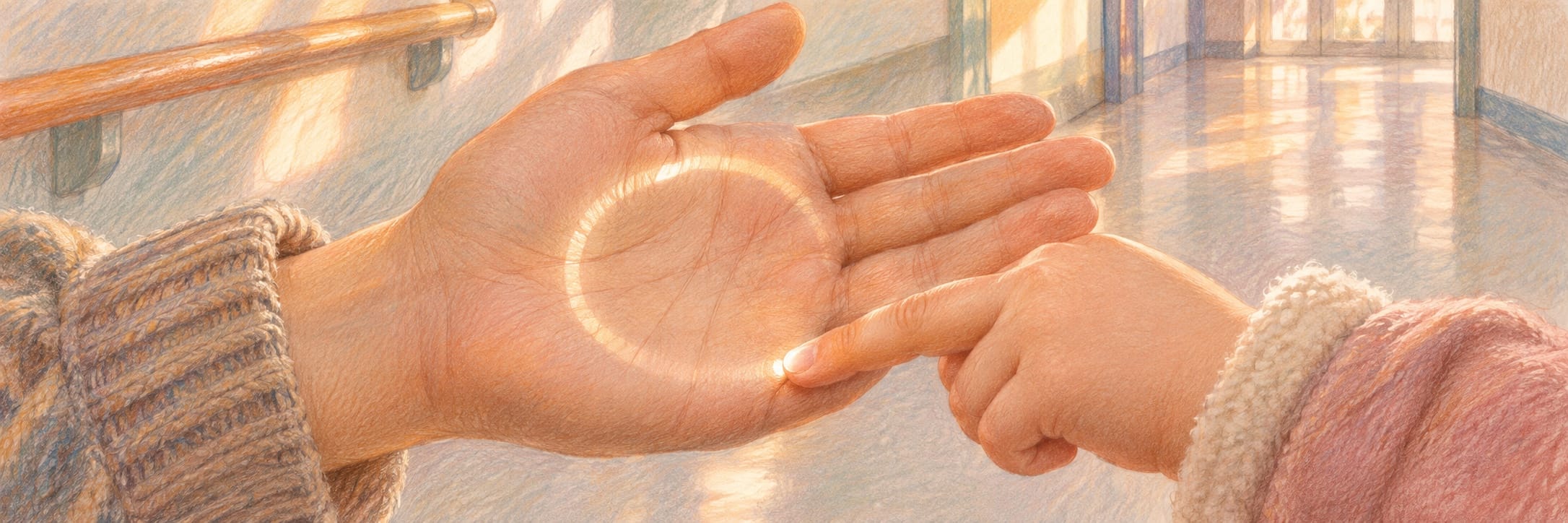
A child reads a brother’s mouth during a sight test, asks him to face the wall, then draws most of a circle on his palm.
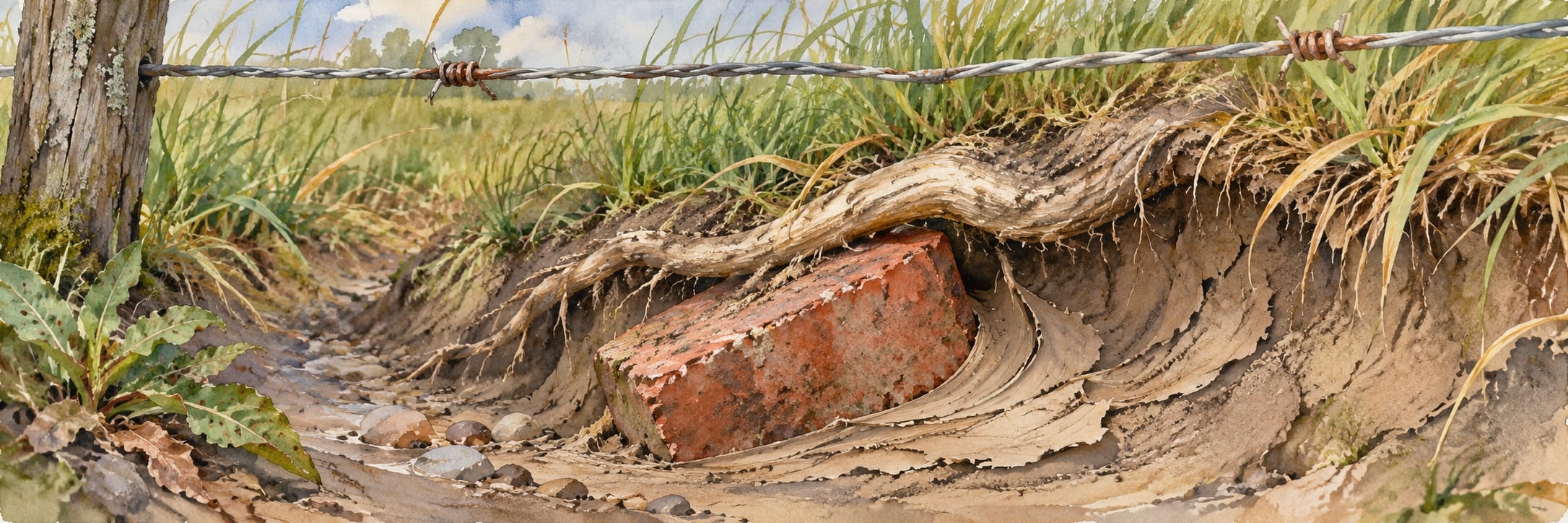
A mapped swale carries rain beyond its plan; a brick tips under an exposed root before the narrator lifts it and takes a strip of bank.
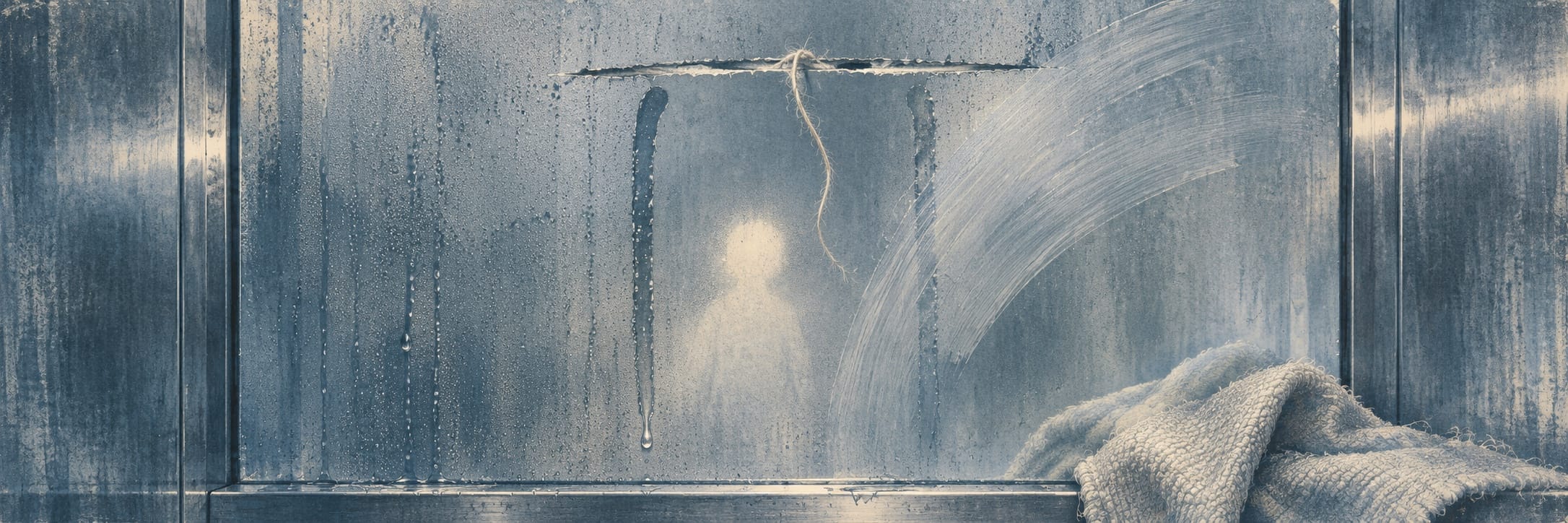
A child draws a door around her reflection in a lift mirror; the double stays when she leaves, then goes as the cleaner wipes one side.
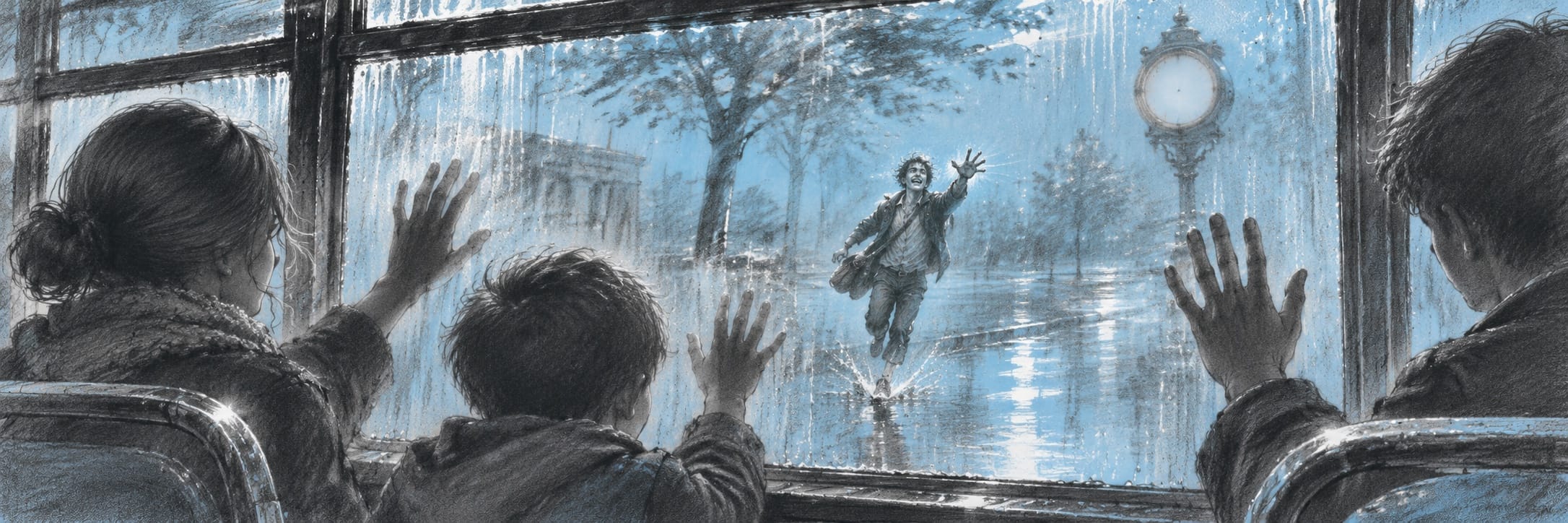
A station clock disagrees with the timetable; after catching the next bus, three passengers raise their hands to a runner, where the gesture can look like goodbye.

Two cooks prepare garlic differently from the same recipe; a coin-shaped slice darkens, and each tends the other’s pan.