
Free podcast
Listen to the episode
Play “Ancient Archetypes Inside Every Brand” here, or continue reading the episode notes below.
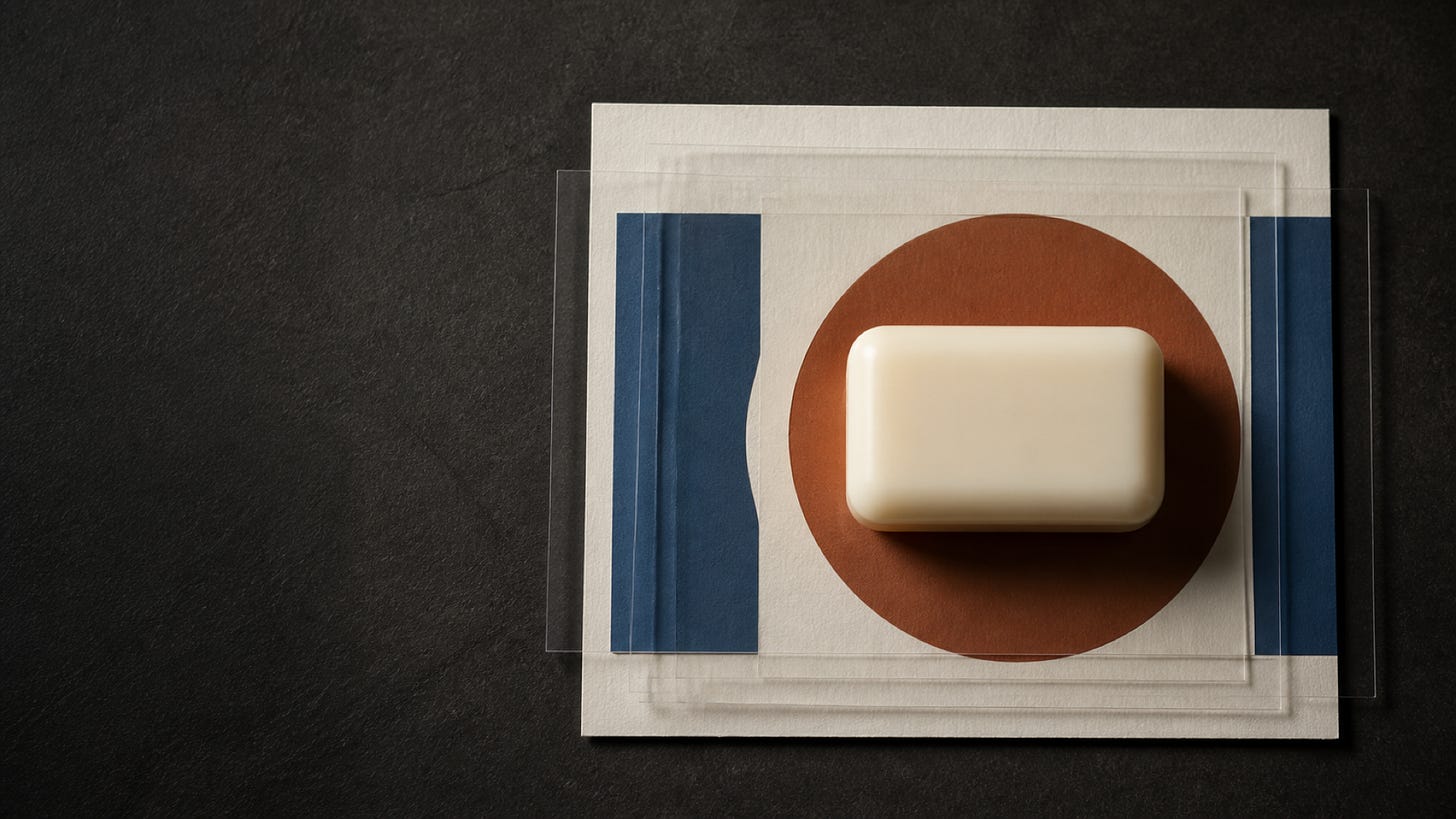
Why can two similar products feel so different? A bar of soap can clean your hands, but it can also suggest renewal, safety or a return to something simpler. This episode uses archetypes as a practical lens for reading those extra layers of meaning, without mistaking them for a formula for human behaviour.
Beginning in an ordinary grocery aisle, the conversation considers why functional similarity can make symbolism matter; why archetypes are not demographic labels; and how a brand can lose trust when its messages, products and culture pull in different directions.
It also asks a harder question about the ethics of symbolic marketing. An archetype may help a team organise a brand’s story, but it cannot compensate for a weak product, a misleading claim or conduct that contradicts the promise. Rather than choosing a personality from a grid, teams need to trace the evidence already present in product decisions, service behaviour and internal culture. The point is not to bolt a myth onto an offer, but to test whether the customer can actually experience what the brand claims to stand for.

In this episode
Why a product’s practical function is only part of the reason it can feel right to a customer.
How archetypes can reveal a desired emotional role without reducing people to demographic stereotypes.
What brand drift looks like when a business tries to perform several incompatible identities at once.
Why a symbolic promise needs operational proof, not only persuasive marketing.
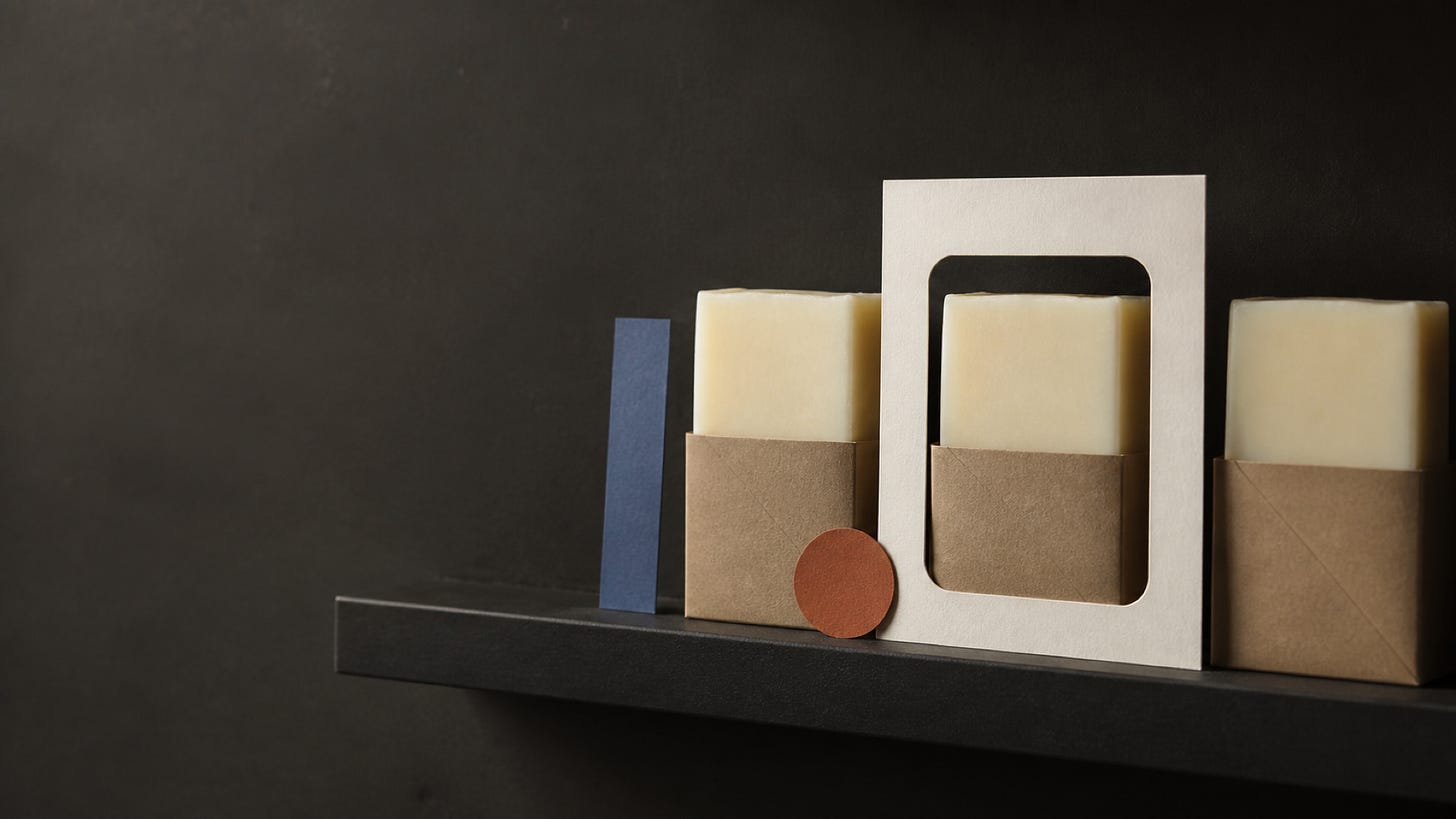
Source and AI disclosure
This audio episode was generated in Google NotebookLM from Richard’s own knowledge materials. The accompanying episode notes were developed from the supplied transcript. Treat the archetype framework as a strategic lens, not a universal account of individual behaviour or a substitute for evidence.


No published comments yet.